
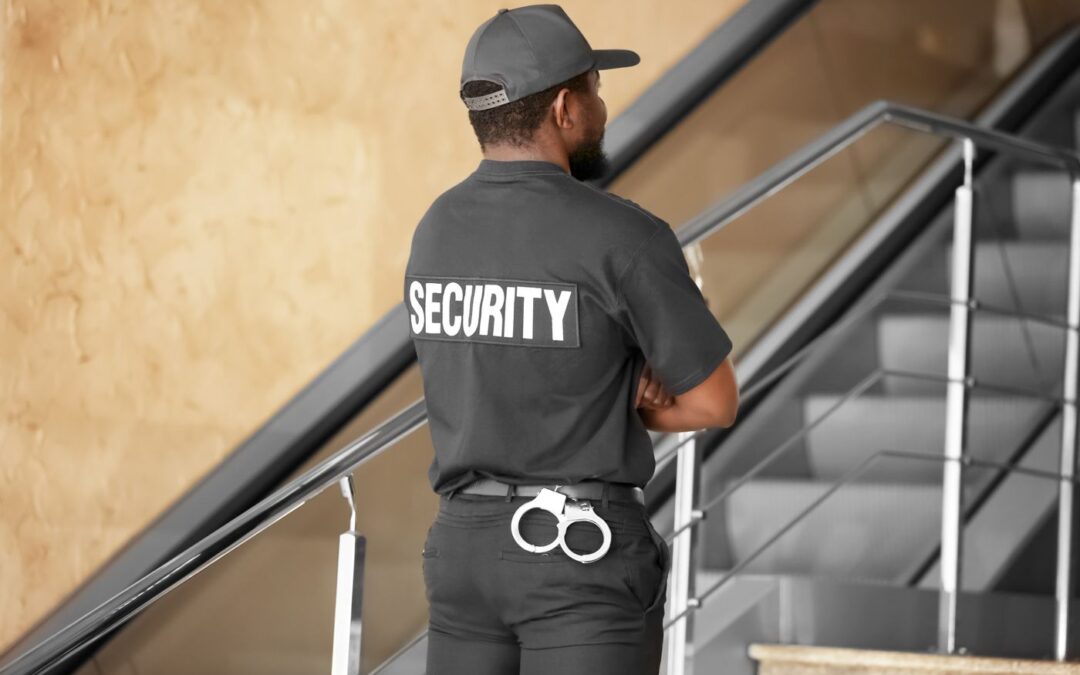
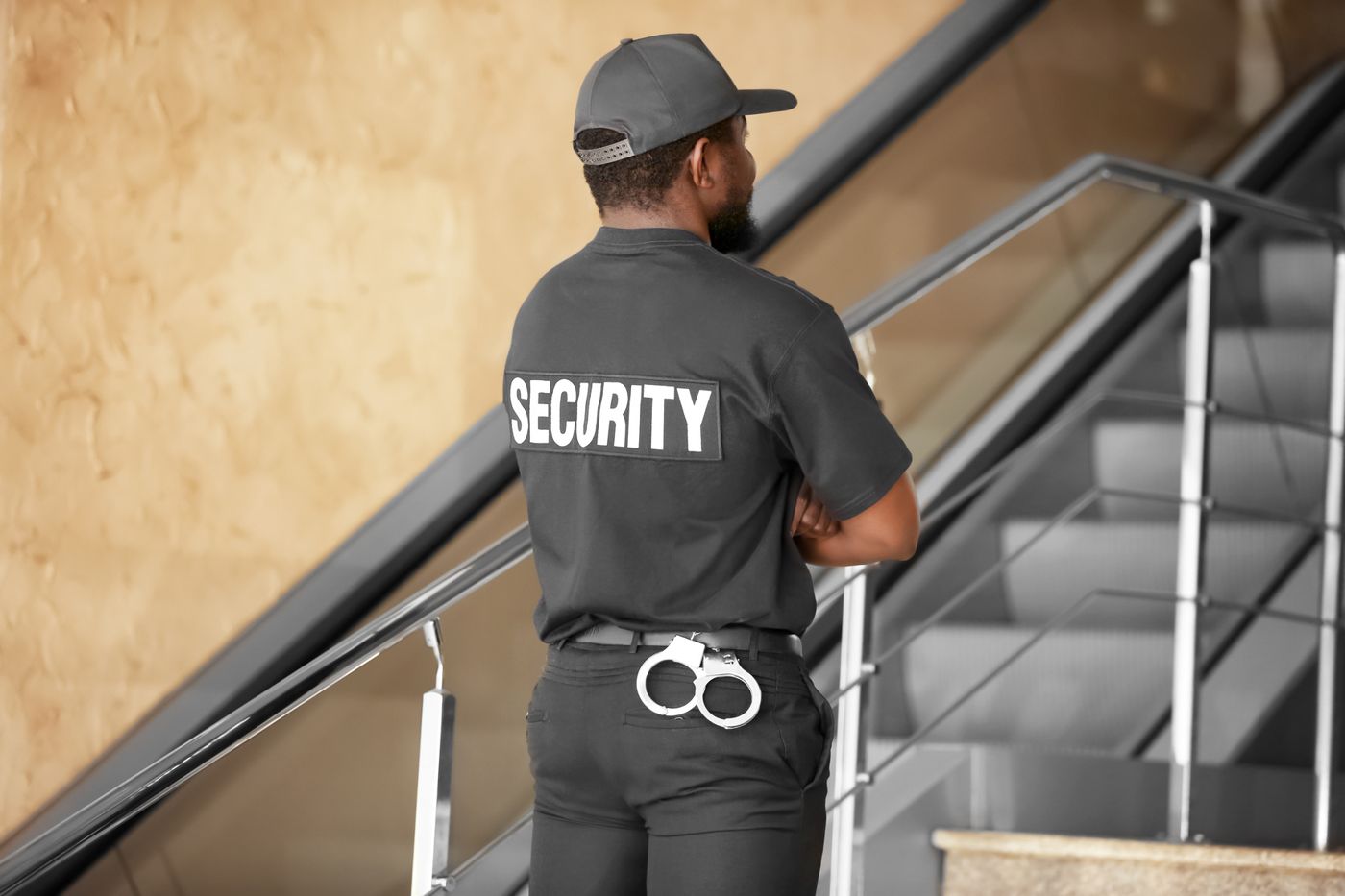
When you arrive at a business premises and see a security guard at the entrance, it is easy to assume their main job is simply to open and close the gate, check visitors and make sure people are allowed onto the property.
While access control is certainly an important part of the role, professional security guarding involves far more than standing at an entrance.
Today, security officers can play an important role in protecting employees, visitors, property, equipment and business operations. From monitoring activity and conducting patrols to responding to emergencies and recording incidents, their responsibilities can extend across the entire premises.
For South African businesses, understanding what professional security guards actually do can help organisations make better decisions when choosing and managing their security services.
Access control is only the beginning
Controlling access to business premises is one of the most visible responsibilities of a security officer.
This may involve checking identification, verifying employees, registering visitors, inspecting vehicles, monitoring deliveries and ensuring that only authorised individuals enter restricted areas.
Effective access control is about more than simply asking someone where they are going. Security personnel need to understand the access procedures of the site and apply them consistently.
A professional security officer should also be alert to unusual behaviour. Someone attempting to enter without the appropriate authorisation, using another person’s access credentials or avoiding standard procedures may require further attention.
When access control is managed properly, businesses can have greater visibility over who is entering and leaving their premises.
Visitor management creates a safer workplace
Visitors, contractors, suppliers and service providers are a normal part of business operations, but they can also introduce security risks if their movements are not properly managed.
Security guards can assist with registering visitors, confirming appointments, issuing visitor passes and directing people to the correct areas.
This is particularly important for larger commercial buildings, industrial sites, warehouses and facilities where members of the public or external contractors regularly come and go.
Good visitor management also helps create a professional first impression. Security officers are often the first representatives of a company that a visitor encounters. A friendly, professional and knowledgeable approach can therefore contribute to both security and customer experience.
Patrols help identify problems before they escalate
A security guard does not necessarily need to remain at the entrance throughout an entire shift.
Regular patrols are another important part of professional guarding services. Patrolling allows security personnel to physically inspect different areas of a property and look for anything that appears unusual or potentially unsafe.
During a patrol, an officer may identify an unsecured door, damaged fencing, broken lighting, suspicious activity, an unattended vehicle or signs of attempted intrusion. These observations can be particularly valuable because not every security risk is immediately visible through an electronic security system.
A camera may record an issue, but a security officer physically walking through the area can identify the problem and take the appropriate next step.
Monitoring keeps security teams informed
Modern businesses often use a combination of physical security and technology.
CCTV cameras, alarms, access control systems and other monitoring equipment can provide valuable information about activity across a property.
Security officers can monitor these systems and respond when something requires attention. This creates an important connection between technology and human judgement. A camera can detect movement, but a trained person can assess the situation and determine whether the activity appears routine or requires further investigation.
This human oversight can be especially useful on larger sites where it would be difficult for one person to physically observe every area at all times.
Incident reporting creates an important record
Security is not only about responding to incidents. It is also about documenting what happens. Professional security officers can record incidents, suspicious activity, access issues, accidents, property damage and other relevant events according to the procedures established for the site.
Accurate incident reporting gives business owners and managers a clearer understanding of what is happening on their premises.
Over time, these reports can also reveal patterns. If similar incidents are repeatedly occurring in a particular area or at a particular time, management may be able to take preventative action.
For example, repeated reports of unauthorised access attempts could indicate a weakness in access procedures. Reports of damaged fencing could highlight the need for repairs or additional security measures.
Good reporting therefore supports continuous improvement rather than simply recording problems after they occur.
Security guards can play a vital role during emergencies
Emergencies rarely happen at convenient times. A fire, medical emergency, security breach, suspicious package or other unexpected situation can occur at any point during the working day or night.
A security officer may be among the first people to become aware of an emergency. Their role will depend on their training and the procedures established for the site, but they may assist by contacting emergency services, alerting management, controlling access to affected areas, helping direct people to safer locations and providing information to emergency responders.
The ability to respond quickly and calmly can make an important difference while waiting for the appropriate emergency services to arrive.
Security guards also protect the little things
Security risks are not always dramatic. Sometimes the most valuable contribution a security officer makes is noticing the smaller issues that could eventually become bigger ones.
An unlocked storeroom. A gate that does not close properly. A light that has stopped working. An unfamiliar person wandering around a restricted area. A delivery vehicle arriving outside its expected time.
These may seem like minor concerns in isolation, but they can become vulnerabilities if nobody notices them. Professional security guards are trained to remain observant and to report concerns rather than simply ignoring them.
Professionalism matters just as much as vigilance
A security officer needs to be alert, but professionalism is equally important. Security personnel interact with employees, customers, visitors, contractors and members of the public. They need to communicate clearly, remain calm under pressure and understand how to enforce security procedures without creating unnecessary conflict.
The best security services combine vigilance with courtesy.
For businesses, this can create a workplace environment where employees feel safer and visitors feel welcome, while established security procedures continue to be followed.
Security is about much more than the gate
A professional security officer is not simply someone standing at an entrance. They can be an important part of a business’s wider risk management strategy, providing access control, visitor management, patrols, monitoring, incident reporting and emergency support.
Technology continues to transform the security industry, but the human element remains essential. Cameras and access systems can provide valuable information, while trained security professionals can observe, assess and respond.
For South African businesses, this combination can provide a more comprehensive approach to protecting people, property and operations.
The next time you see a security officer at the gate, remember that the gate is only where their role may begin. The real value of professional security lies in everything they do beyond it.
Beyond the Gate: What Professional Security Guards Really Do
- Access control: Check employees, visitors, vehicles and deliveries to ensure only authorised people enter.
- Visitor management: Register visitors, issue passes and help maintain a safe, professional environment.
- Regular patrols: Identify issues such as unsecured doors, damaged fencing, poor lighting or suspicious activity.
- Monitoring: Use CCTV, alarms and access systems alongside human observation and judgement.
- Incident reporting: Record security concerns and incidents, helping businesses identify recurring risks and improve procedures.
- Emergency support: Assist with emergencies by contacting authorities, alerting management and helping control affected areas.
- Spotting small risks: Identify seemingly minor problems before they develop into larger security vulnerabilities.
- Professionalism: Combine vigilance with clear communication, courtesy and calm decision-making.
- The bigger picture: Professional security guards are an important part of protecting people, property and business operations, not simply managing the gate.
Also in this issue
A Security Presence Can Protect More Than Property
People, property and peace of mind.
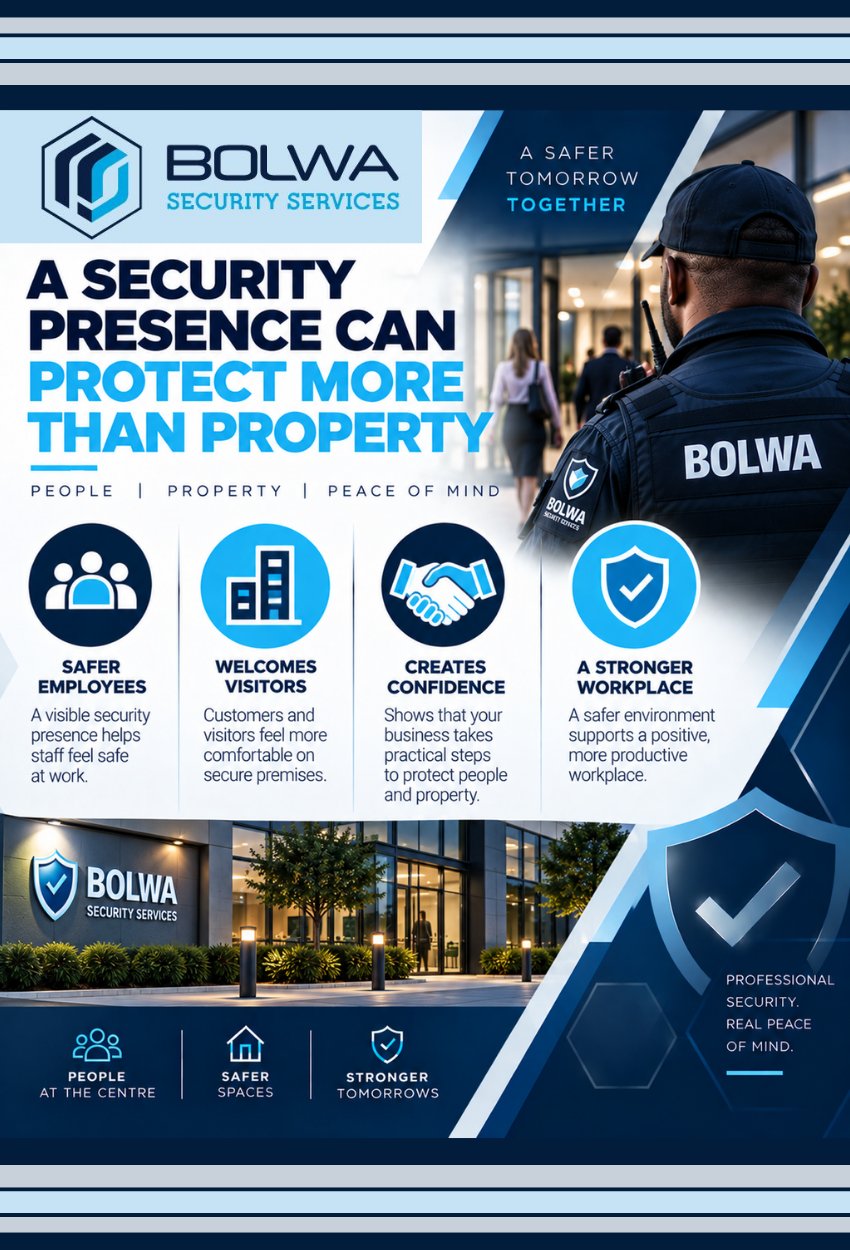
- Safer employees: A visible security presence helps staff feel safe at work.
- Welcomes visitors: Customers and visitors feel more comfortable on secure premises.
- Creates confidence: Shows that your business takes practical steps to protect people and property.
- A stronger workplace: A safer environment supports a positive, more productive workplace.
Professional security. Real peace of mind.
From the Bolwa Security Services newsletter, September 2026.