
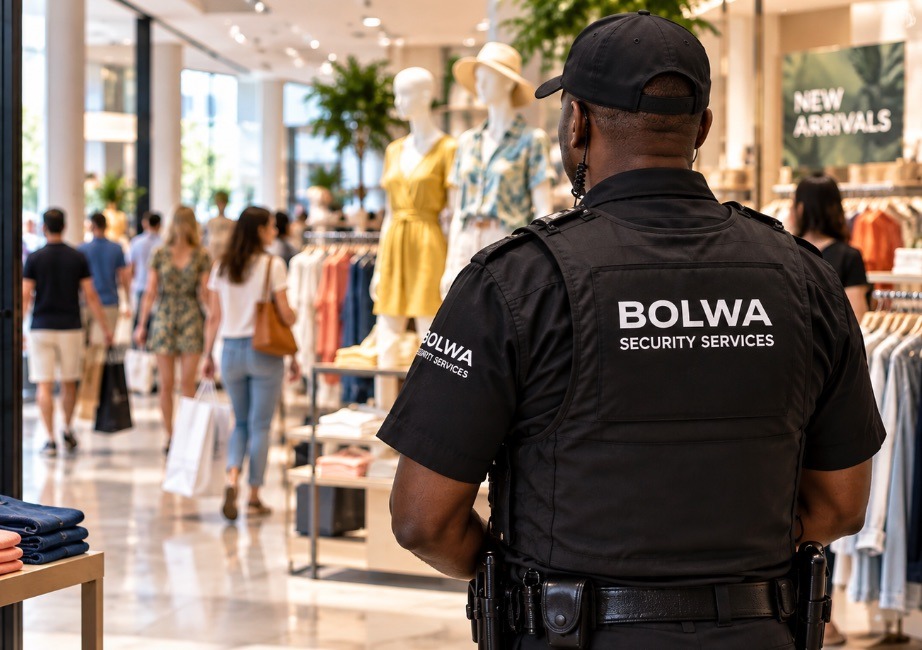
Seasonal promotions are some of the busiest and most important periods in the retail calendar. Sales events, holiday promotions, special offers and limited-time deals are designed to attract more customers and increase revenue. When a promotion is successful, retailers can see a significant increase in foot traffic, transactions and activity throughout the store.
However, increased customer activity can also bring increased security risks.
Busy stores are more difficult to monitor, high-value merchandise can become more vulnerable to theft, and crowded entrances, aisles and checkout areas can create additional safety concerns. Temporary employees may also be unfamiliar with store procedures, while long queues and frustrated customers can sometimes lead to conflict.
For this reason, security should form part of a retailer’s promotional planning from the beginning. Having the right number of security officers, positioned strategically and properly prepared for the expected challenges, can help retailers protect their people, property and profits.
Why Seasonal Promotions Increase Security Needs
High Customer Volumes
One of the biggest changes during a seasonal promotion is the sheer number of people entering the store. Areas that are normally easy to monitor can quickly become crowded, with queues forming at tills and customers gathering around popular promotional displays.
Large crowds can make it harder for employees and security officers to notice suspicious behaviour. Congested aisles and busy checkout areas can also create opportunities for shoplifting and opportunistic theft, particularly when employees are focused on serving customers.
Security personnel therefore need to be positioned where they can maintain good visibility while remaining accessible to customers and employees. Understanding when the busiest periods are expected allows retailers to concentrate security resources where they are most needed.
Temporary Staff and New Hires
Seasonal promotions often require retailers to bring in temporary employees to handle the increased workload. While these employees may be perfectly capable of performing their jobs, they may not yet be familiar with the store’s security procedures, layout or incident-reporting processes.
Security officers can provide valuable support during this time. Employees should know how to report suspicious behaviour, when to request assistance and what to do if a situation becomes confrontational.
Having trained security personnel available also gives employees confidence. Rather than attempting to handle potentially difficult or dangerous situations themselves, staff can focus on serving customers while security officers deal with security-related concerns.
Heightened Risk of Conflict
Promotional periods can sometimes create tension. Customers may become frustrated by long queues, limited stock, pricing misunderstandings or disagreements with other shoppers or employees.
A professional security presence can help prevent these situations from escalating. Officers trained in communication, conflict management and de-escalation can recognise warning signs and intervene appropriately when necessary.
The objective is not simply to respond when an incident occurs, but to help maintain a calm and orderly environment in the first place.
Determining the Right Security Staffing Requirements
Every retail environment has different security needs, so staffing should be based on the store’s specific risks rather than a one-size-fits-all approach.
Assess Expected Foot Traffic
Retailers should consider historical customer numbers, previous promotions and expected peak periods when planning security coverage. Entry and exit points, tills and promotional displays may experience significantly higher activity at certain times of the day.
Back-of-house areas should also be considered. Increased sales often mean increased deliveries, stock movement and activity in stockrooms. These areas may require additional access control and monitoring.
Identify High-Risk Areas
Certain areas of a store may require greater security attention than others. These can include entrances and exits, checkout counters, fitting rooms, customer service desks and sections containing high-value merchandise such as electronics or jewellery.
Once these areas have been identified, guards can be deployed strategically. A visible security presence can act as a deterrent while also providing reassurance and assistance to customers.
Keep Deployment Flexible
Security requirements can change throughout the day. Instead of maintaining exactly the same deployment at all times, retailers can increase coverage during peak trading periods and adjust it when customer volumes decrease.
Depending on the store and its risk profile, plain-clothes personnel may also be used to provide discreet loss-prevention support. Regular patrols can further improve visibility and ensure that different areas receive appropriate attention.
Use Technology to Support Security
Technology can provide an additional layer of protection. CCTV allows security personnel to monitor areas that may be difficult to observe directly, particularly when the store is crowded.
Alarm systems and Electronic Article Surveillance (EAS) can further support loss prevention, while effective incident-reporting systems ensure that security incidents are documented and communicated quickly.
Technology works best when combined with trained security personnel who can assess situations and respond appropriately.
The Benefits of Adequate Retail Security
Effective security staffing provides benefits beyond simply reducing theft.
A visible security presence can discourage shoplifting and reduce stock losses, while trained officers can respond to incidents quickly. Security personnel can also help manage crowds and conflicts, contributing to a safer environment for everyone.
Employees benefit from knowing that professional support is available when they need it. This is particularly important during busy promotional periods when staff are already dealing with increased workloads.
Customers also benefit. A store that feels safe, organised and well managed creates a more positive shopping experience, which can ultimately contribute to customer satisfaction and loyalty.
Best Practices for Seasonal Retail Security
Before a major promotion begins, retailers should conduct a pre-event security risk assessment to identify vulnerable areas and anticipate potential challenges.
Security staffing should then be scaled according to expected customer volumes, with additional resources available during peak periods where necessary.
Security officers should also receive appropriate training in crowd management, conflict resolution, communication and loss prevention. Store employees should understand how to contact security and report concerns quickly.
Finally, CCTV, alarms, EAS and incident-reporting systems should be integrated with the physical security operation to create a coordinated approach.
Conclusion
Seasonal promotions can be excellent opportunities for retailers to increase sales, attract new customers and build loyalty. However, increased activity also brings increased security challenges.
With careful planning, appropriate staffing, strategic deployment, proper training and supporting technology, retailers can create a safer environment for customers and employees while protecting stock and reducing losses.
The goal is simple: make the promotion memorable for the great deals and positive shopping experience, rather than the security incidents that happened along the way.
As shared on LinkedIn
🛍️ Seasonal Promotions Bring More Customers, More Sales and More Security Challenges
Seasonal promotions are an exciting opportunity for retailers. Increased foot traffic and higher sales can make a significant difference to the bottom line, but busy stores can also create additional security risks.
More customers can mean greater opportunities for shoplifting, overcrowded aisles and checkout areas, increased pressure on staff, and a greater possibility of customer conflict. Temporary employees may also need additional support as they become familiar with store procedures.
So, how do you make sure your retail security team is prepared?
Our latest blog looks at Seasonal Promotions and Retail Security Staffing Requirements, including how retailers can:
🔹 Assess expected customer volumes and peak trading periods
🔹 Identify high-risk areas within the store
🔹 Adjust security staffing according to changing needs
🔹 Support temporary and new employees
🔹 Manage crowds and potential conflict
🔹 Combine trained security personnel with CCTV and other technology
The right security strategy isn’t simply about having more guards. It is about having the right people, in the right places, at the right times, with the training and support they need to respond professionally.
A safe and well-managed retail environment protects your staff, customers, stock and reputation, while helping shoppers enjoy a positive experience.
📖 Read the full blog to learn more about planning effective retail security during seasonal promotions.
🛡️ BOLWA SECURITY SERVICES
Professional security solutions you can rely on.
📞 086 1112 231
📧 info@bolwasecurityservices.co.za
🌐 bolwasecurityservices.co.za
#BolwaSecurityServices #RetailSecurity #RetailSecurityServices #LossPrevention #SecurityServices #RetailSafety #SecuritySolutions #SouthAfrica #BusinessSecurity