

Guards in residential estates play a crucial role, ensuring security and providing peace of mind to residents. Their primary responsibilities include managing access control by verifying identities, patrolling the premises to deter suspicious activities, and handling incidents effectively. Various types of guards exist, from unarmed personnel who maintain a visible presence to armed guards positioned in high-risk areas. Effective communication skills are essential as they interact with residents and visitors daily. The integration of technology into their routine enhances efficiency for real-time monitoring and reporting. Training aligned with legal standards and collaboration with estate management are key factors in adapting to evolving security needs while maintaining a welcoming atmosphere for the community.
TL;DR Guards play a crucial role in residential estates by ensuring security and peace of mind for residents. Their key responsibilities include access control, patrolling, incident management, and visitor management. There are various types of guards, including unarmed, access control, event security, armed, and private guards. Essential skills encompass effective communication, public relations, physical fitness, and technical knowledge. Technology integration, such as CCTV and biometric systems, enhances security operations. Training aligns with PSIRA regulations and is tailored to the estate’s specific needs. Collaboration with estate management ensures effective security strategies, while challenges such as resident hostility and maintaining a welcoming atmosphere persist. Overall, guards must continuously adapt to evolving security needs and technology.
Table of Contents
General Overview of Guards in Residential Estates
Credits: lionheartsecurityservices.com
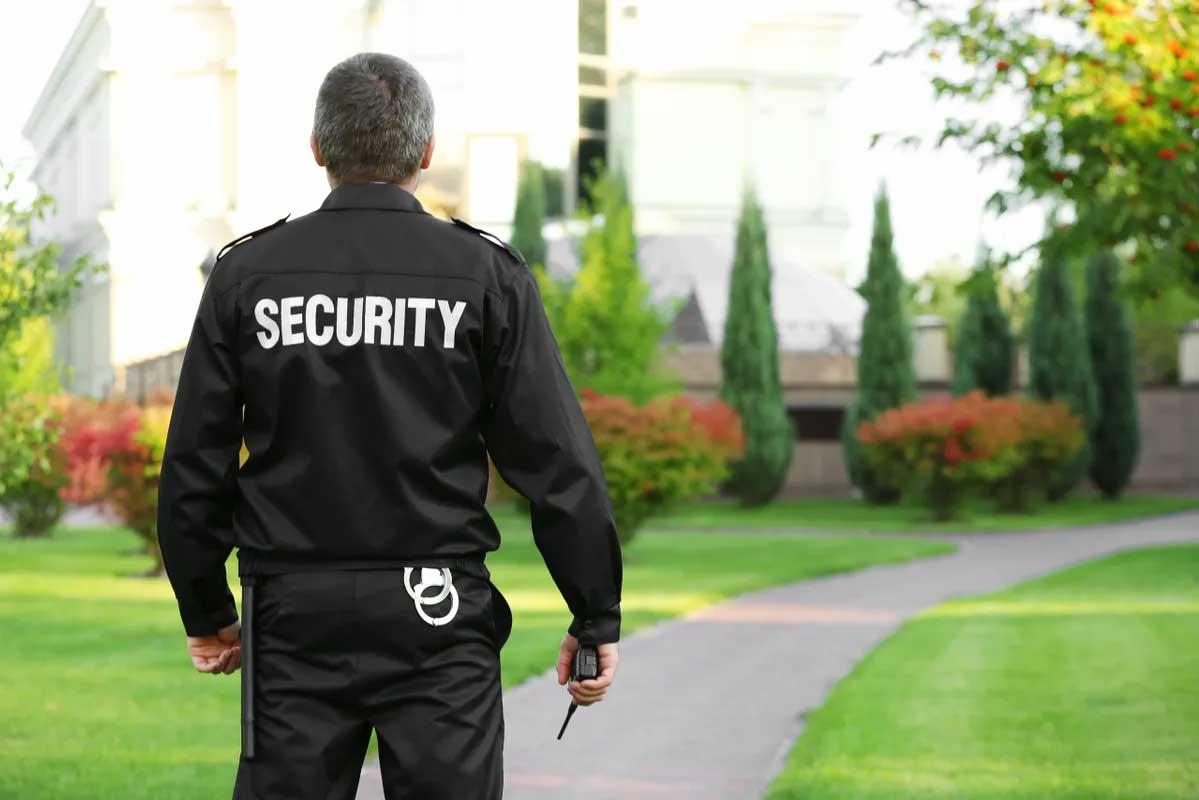
Guards are the backbone of residential estates, making sure the environment is safe for residents and their visitors. Just their presence can deter criminal activity and give residents peace of mind. Often they are the first point of contact for residents and visitors, greeting them and managing entry and exit points. This initial interaction creates a sense of community and trust which is key to safety in the estate.
Each estate is unique and so are its demographics and so guards have to adapt to the estate they are serving. This adaptability allows them to address the specific security needs of the community they serve. In emergencies they are crucial in evacuating and managing incidents and keeping residents safe and informed. By maintaining security and order they also contribute to property values as a secure environment is often linked to higher property value.
Regularly reviewing security procedures is key to staying effective. Engaging with community feedback can help guards fine tune their performance and strategies to meet the evolving security challenges presented by crime trends. As the role of guards evolves they need to stay up to date with new technologies and security methods so they can protect the residents they serve.
Key Responsibilities of Residential Estate Guards
Credits: strongtowersecuritycorp.com
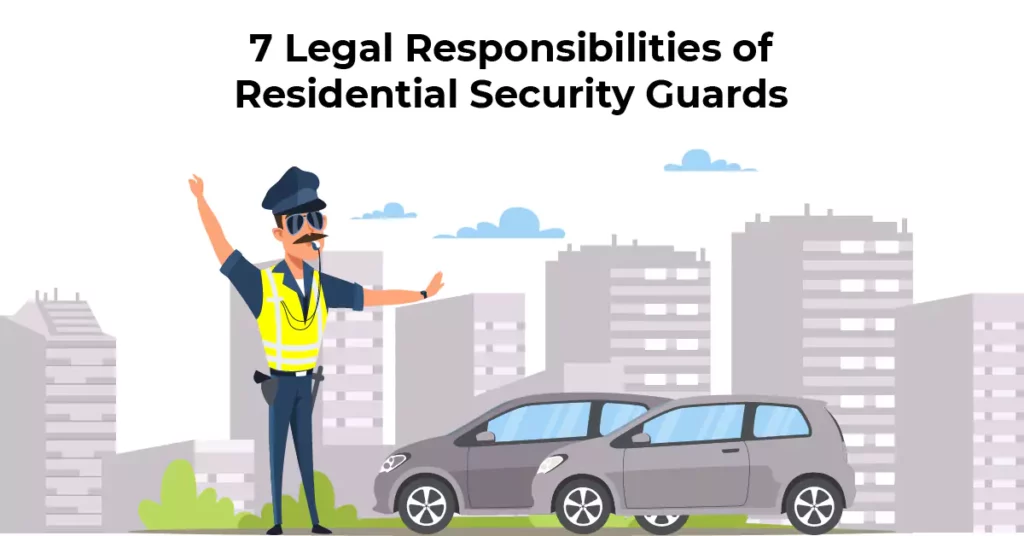
Guards in residential estates are the backbone of the community. One of their main tasks is monitoring the surveillance systems to detect threats, which means watching CCTV feeds and other security gadgets. They also do regular patrols of the estate, walking the grounds to look out for any safety issues or suspicious activities that may arise.
Enforcing estate rules and regulations is another big responsibility, as guards must do it consistently and fairly to maintain order. This includes managing access control at entry points, checking IDs of visitors and ensuring only authorized personnel enter the premises. Guards keep logs of incidents, visitor entries and patrols which are important for accountability and record-keeping.
In emergencies, guards are the first responders, providing first aid when needed and coordinating with local authorities during incidents. They also report maintenance issues that can compromise security like broken fences or poor lighting to keep the estate safe.
Another big responsibility is educating residents on safety practices and emergency procedures. This proactive approach allows residents to take part in their own security. Guards also manage conflicts among residents professionally, using their people skills to resolve disputes amicably. During estate events, they implement crowd control measures to ensure safety and smooth operations so everyone can enjoy the event without worries.
- Monitoring surveillance systems to identify potential threats.
- Conducting regular inspections of the estate to ensure safety.
- Enforcing estate rules and regulations consistently and fairly.
- Maintaining accurate logs of incidents, visitor entries, and patrols.
- Providing first aid assistance in emergencies when necessary.
- Reporting maintenance issues that may compromise security.
- Coordinating with local law enforcement during incidents or emergencies.
- Educating residents on safety practices and emergency procedures.
- Managing conflicts among residents in a professional manner.
- Implementing crowd control during estate events.
Different Types of Guards for Estates
Various types of guards play distinct roles in residential estates, each tailored to meet specific security needs. Unarmed guards are often the first line of defence, focusing on their visible presence to deter potential threats without carrying weapons. Access control guards are stationed at entry points, checking identities and vehicle registrations to ensure that only authorised individuals gain access. Event security guards are trained to manage safety protocols during gatherings, ensuring a secure environment for residents and guests alike.
In higher-risk areas, armed guards provide an additional layer of protection, carrying firearms to address potential threats more effectively. Private guards cater to the specific security needs of high-profile residents, offering personal protection. Mobile patrol guards regularly patrol the estate on foot or in vehicles, ensuring comprehensive coverage and quick response to incidents. Fire safety guards are trained to handle emergencies related to fire, facilitating safe evacuations when necessary. Community relations guards work to build positive interactions between residents and the security team, fostering a sense of trust and collaboration. Emergency response guards are equipped to handle urgent situations swiftly, ensuring that any incidents are dealt with efficiently.
Lastly, specialist guards may be employed for unique security needs, such as protecting sensitive information or overseeing technological security measures.
| Type of Guard | Description | Primary Functions |
|---|---|---|
| Unarmed Guards | Focus on visibility and deterrence without weapons. | Monitor activities, deter crime through presence. |
| Access Control Guards | Specialise in checking identities and vehicle registrations at entry points. | Manage entry and exit points, perform security checks. |
| Event Security Guards | Trained to handle safety protocols during gatherings or events. | Oversee safety during events held within the estate. |
| Armed Guards | Carry firearms in high-risk areas for added protection. | Provide an additional layer of security in sensitive areas. |
| Private Guards | Offer personal security for high-profile residents or specific individuals. | Provide tailored security services for individuals. |
| Mobile Patrol Guards | Regularly patrol various areas on foot or in vehicles to ensure coverage. | Ensure consistent monitoring of the estate grounds. |
| Fire Safety Guards | Trained to handle fire emergencies and evacuations. | Assist in implementing fire safety measures. |
| Community Relations Guards | Foster relationships between residents and the security team. | Enhance community trust and engagement. |
| Emergency Response Guards | Equipped to handle urgent situations quickly and efficiently. | Respond promptly to emergencies and incidents. |
| Specialist Guards | Trained in specific security needs, such as handling sensitive information or tech security. | Address unique security challenges within the estate. |
Essential Skills and Qualifications for Guards
Guards in residential estates must possess a range of essential skills and qualifications to effectively ensure safety and maintain a welcoming atmosphere. Strong communication skills are vital, enabling guards to interact clearly with residents and visitors, and to listen attentively to their concerns. Similarly, conflict resolution skills allow guards to manage disputes calmly, ensuring that tensions do not escalate and that a peaceful environment is upheld. Observation skills are equally important; guards should have a keen attention to detail to spot unusual behaviours or activities that may indicate security threats.
In emergencies, decision-making skills come into play, as guards need to make quick, informed choices that could affect the safety of residents and property. Integrity is another cornerstone of a guard’s role, as high ethical standards and trustworthiness are crucial for building a rapport with the community they serve. Furthermore, crisis management training equips guards with the tools to handle emergencies calmly and efficiently, minimising panic and ensuring proper protocols are followed.
A customer service orientation is also beneficial, as friendly and approachable behaviour fosters a sense of community and comfort among residents. Basic computer skills are increasingly necessary, with guards needing to operate security software and reporting tools. Physical fitness is essential too, allowing guards to perform patrols and respond swiftly to incidents. Lastly, a solid understanding of relevant laws and regulations ensures that guards operate within legal frameworks, which is vital for effective security operations.
Use of Technology in Security Operations
In modern residential estates, technology plays a pivotal role in enhancing security operations. CCTV systems are widely used, allowing for real-time monitoring of the estate grounds, which helps guards identify potential threats quickly. Access control systems are equally important, as they track who enters and exits the estate, ensuring that only authorised personnel gain access. Alarm systems provide immediate alerts to guards in the case of potential breaches, enabling a swift response to incidents.
Mobile applications facilitate seamless communication between guards and management, allowing for quick reporting of issues or emergencies. In larger estates, drones may be deployed for aerial surveillance, offering a broader view of the property and helping to monitor areas that are difficult to access on foot. For sensitive areas, biometric scanners can enhance security, ensuring that only specific individuals can enter restricted zones.
Incident reporting software streamlines the process of logging and tracking events, making it easier for guards to document occurrences and for management to analyse security data. Remote monitoring enables off-site managers to oversee security operations, providing additional oversight and support. The integration of smart home technology can further boost individual security, allowing residents to monitor their own properties from their devices.
To maintain effectiveness, regular updates and maintenance of security technology are essential. Ensuring that all systems are functioning optimally helps to prevent vulnerabilities and enhances the overall safety of the estate.
Training Requirements for Security Guards
Training for security guards in residential estates is vital to ensure they meet the standards set by the Private Security Industry Regulatory Authority (PSIRA). New guards begin with an initial orientation that covers essential security protocols, providing them with a foundational understanding of their responsibilities. As they progress, ongoing training sessions keep them informed about updates in laws and regulations, ensuring compliance in their roles. Scenario-based training is particularly beneficial, as it prepares guards for real-life situations they may encounter while on duty.
Moreover, many estates require guards to undergo first aid and CPR training, equipping them with the skills necessary for immediate response in emergencies. Crisis management workshops are also essential, providing guards with the tools to handle various crises effectively. With the increasing reliance on technology in security operations, training on the use of surveillance equipment and related technologies is crucial.
Additionally, soft skills training enhances their communication and conflict resolution abilities, enabling guards to interact positively with residents and visitors. Regular refresher courses are necessary to keep guards updated on best practises, while specialised training may be essential for those stationed in high-risk areas to ensure they are prepared for unique challenges.
Collaboration Between Guards and Estate Management
Frequent meetings between estate management and security guards play a vital role in ensuring that everyone is on the same page regarding security goals. These meetings provide a platform for guards to share their insights and experiences, which can be invaluable for management in refining estate policies. For instance, if guards notice recurring incidents in certain areas, their feedback can prompt management to adjust security measures accordingly.
Joint training sessions not only enhance the skills of guards but also promote teamwork and a deeper understanding of each party’s roles. This collaboration is further strengthened through shared communication tools, which facilitate real-time coordination during incidents. When guards have access to the resources they need, such as updated technology and adequate support, they can perform their duties more effectively.
Regular reviews of security protocols allow both guards and management to assess what is working well and what needs improvement. Collaborative assessments of security incidents provide opportunities for learning and adapting strategies, ensuring that security measures evolve with changing circumstances. Additionally, involving guards in planning community events can enhance safety measures, as they can share practical insights based on their experiences. Trust between management and guards is essential for effective operations, fostering an environment where both parties feel valued and empowered to contribute to the overall safety of the estate.
Challenges Faced by Residential Estate Guards
Guards in residential estates often face a unique set of challenges that can complicate their role. For instance, they may encounter resistance or hostility from residents during disputes, which demands strong interpersonal skills and a calm demeanour to defuse tensions. Balancing the need for strict security with creating a welcoming atmosphere can be particularly tricky, as some residents might perceive security measures as intrusive rather than protective.
Long hours and shift work can lead to fatigue, which affects alertness and overall job performance. Regular exposure to stressful situations can further impact mental health, making it vital for guards to develop coping strategies. In emergencies, quick thinking and resilience are essential, as guards must respond effectively to various incidents, often with limited resources at their disposal.
Additionally, conflicts among residents can place guards in precarious situations, requiring them to navigate complex interpersonal dynamics. Inadequate training may leave guards unprepared for specific scenarios, while technology failures can expose security vulnerabilities, hindering their ability to respond effectively. As crime trends evolve, continuous learning is necessary to adapt to new threats, underscoring the importance of ongoing training and support.
Frequently Asked Questions
1. What tasks do guards perform in residential estates?
Guards in residential estates are responsible for keeping the area safe, monitoring entrances, checking visitor IDs, patrolling the property, and responding to any suspicious activities.
2. How do guards ensure the safety of residents?
Guards enhance safety by being vigilant, providing a visible presence, and quickly addressing any security concerns or emergencies that arise in the estate.
3. What training do guards receive for their role?
Guards typically undergo training in security protocols, emergency response, communication skills, and sometimes first aid to effectively handle various situations.
4. Can guards in residential estates assist with more than just security?
Yes, guards often help with tasks like directing traffic, managing access for deliveries, and assisting residents in emergencies, making them a valuable part of the community.
5. How do guards communicate with residents and management?
Guards communicate with residents and management through radios or mobile devices, ensuring they can report incidents or relay important information quickly.
Related security services