
TL;DR Retail loss prevention in South Africa can be significantly improved through various effective strategies. Key tactics include adopting a layered security strategy that integrates multiple measures, organising store layouts for better visibility, and implementing effective shoplifting prevention systems. Employee training is essential for recognising suspicious behaviour, while comprehensive CCTV surveillance can deter theft. Robust inventory controls and security tags for high-theft items are crucial, alongside leveraging technology to enhance loss prevention. Collaborating with security professionals further aids in identifying vulnerabilities. Retailers are encouraged to adopt a proactive and vigilant approach to combat theft.
Retail loss prevention n South Africa is a big problem and a multi faceted approach can make a huge difference. A layered security approach is key; combining advanced CCTV and facial recognition systems is a deterrent to potential thieves. An organised store layout is good for shoppers but also for thieves, it makes it harder for them to be discreet. Employee training is key, staff who know what to look out for can deal with theft attempts quickly. Using technology like RFID tags and full inventory control helps to keep track of stock. Working with security professionals adds to the overall vigilance required in today’s retail environment so shops can be safe for everyone.
Table of Contents
1. What is a layered security strategy in retail?
Implementing a layered security strategy is essential for effective retail loss prevention. Establishing a zero-tolerance policy for theft among all staff members sets a strong foundation, encouraging accountability and vigilance. Training security personnel to respond swiftly to incidents ensures that any situation is resolved quickly, minimising potential losses. Regular audits of security procedures help identify areas needing improvement, allowing for a proactive approach to security management.
Using a combination of physical and electronic measures maximises the impact of security. For example advanced CCTV and facial recognition can deter and monitor in real time. A visible security presence in the store is a deterrent and promotes customer confidence. Encouraging customers to talk to staff and report suspicious behaviour creates a sense of community vigilance which can really make a difference to security.
Monitoring peak trading times with extra staff and surveillance is key. This ensures the store is fully staffed during the times when theft is most likely to occur. Working with local police can give you valuable insight into crime trends so you can adjust your strategy. And regularly reviewing your security measures and customer feedback can lead to improvements that enhance the overall shopping experience.
- Zero tolerance to theft for all staff.
- Train security to respond quickly to incidents.
- Regularly audit security procedures to identify areas to improve.
- Use a mix of physical and electronic measures.
- Encourage customer engagement to create community vigilance.
- Monitor peak trading times for extra staff and surveillance.
- Work with local police for crime trends.
- Review your security measures and adjust accordingly.
- Incorporate customer feedback into your security that impacts their shopping experience.
2. How does store layout reduce shoplifting?
A well laid out store is key to both customer experience and security. Clear signage should guide customers and deter thieves by being visible. Aisles need to be wide enough for staff to move quickly in an incident so they can respond to suspicious activity. Placing high value items near the till not only allows for closer monitoring but reduces the temptation for thieves. Putting mirrors in strategic places can also help visibility in blind spots so thieves can’t operate unseen.
Promotional displays should not block sightlines as clutter can create opportunities for theft. Staff should be trained to maintain the layout and report any obstructions so the store remains tidy and welcoming. Review the layout based on customer traffic patterns to optimise the customer experience and security. A consistent layout across all stores makes staff training easier and they can adapt and stay vigilant. Finally use technology to analyse footfall to get more insights to optimise the store layout so it attracts customers and is a barrier to theft.
3. Effective Shoplifting Prevention Systems
Credits: fitsmallbusiness.com
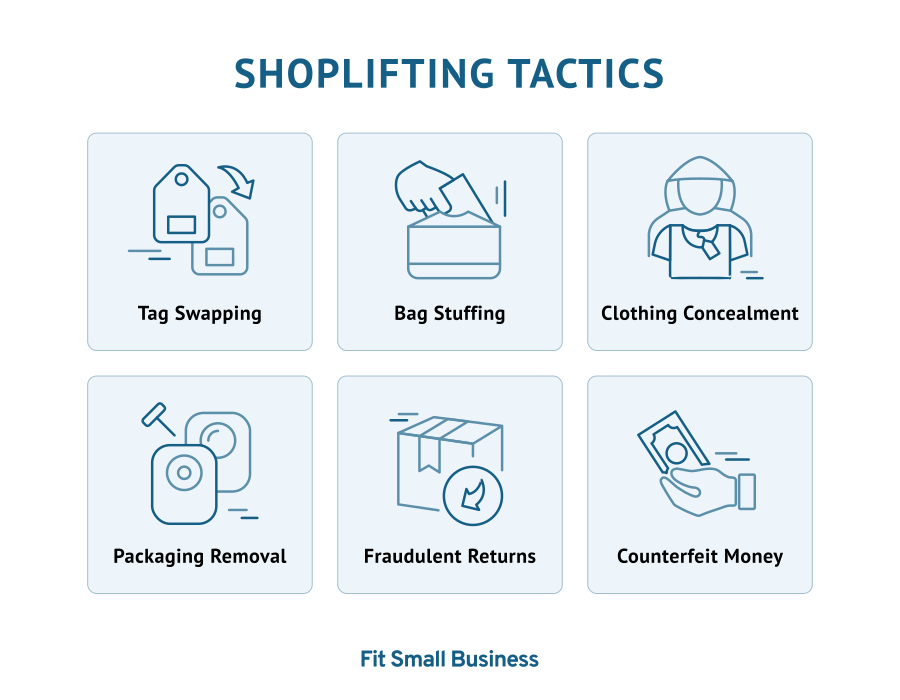
To beat shoplifting you need to have shoplifting prevention systems in place. Regular checks on Electronic Article Surveillance (EAS) systems are key to making sure they are working correctly and not leaving any gaps for thieves to exploit. Staff education on these systems is just as important; staff should be trained on the shoplifting prevention tools so they can monitor suspicious activity.
Visible security measures like tags and alarms are a deterrent, they tell the would be thief that they will not go unnoticed. A combination of passive measures like tags and active measures like staff vigilance is the overall theft prevention strategy. Testing different types of tags on different product categories will help you find the best tags for high theft items.
Getting customers involved in loss prevention creates a culture of awareness. Informing them of security measures will make them feel more secure and deter potential thieves. Also monitoring shoplifting trends will allow you to adjust your prevention methods accordingly so they remain effective. A mix of technology and human awareness is the key to better results. Regular maintenance of electronic systems is crucial to avoid unexpected failures that can compromise security. Lastly, evaluating the need for advanced systems like facial recognition should be based on the size and location of the store so you can allocate your resources effectively.
| Prevention System | Description | Benefits |
|---|---|---|
| Electronic Article Surveillance (EAS) | Attach security tags to merchandise that trigger alarms when unpaid items are taken out of the store. | Deters theft, alerts staff of potential shoplifting. |
| RFID Technology | Implement RFID tags that help in tracking inventory and alerting staff in case of unauthorized removal. | Improves inventory accuracy, enhances theft prevention. |
| Open Display Security | For high-value items, use devices that trigger alarms if tampered with. | Prevents theft of valuable merchandise, increases staff awareness. |
| Regular Maintenance Checks | Conduct regular checks on EAS systems to ensure they are functioning properly. | Ensures reliability of security systems, reduces false alarms. |
| Staff Education | Educate staff on the use of shoplifting prevention technologies. | Increases staff vigilance, improves response to theft incidents. |
4. Why is staff training important for retail loss prevention?
Staff need to be trained to spot suspicious behaviour to be effective at retail loss prevention. A comprehensive training manual should cover everything from unusual behaviour to reporting incidents. Regular training sessions keep staff up to date with security protocols and help them to spot potential theft. Role playing scenarios can prepare staff for real life situations, so they can approach suspicious people in a friendly way which avoids confrontation. Including case studies of past thefts can help learning, with concrete examples of behaviours to look out for.
Getting staff to discuss their personal experiences of theft prevention helps to create a culture of awareness and vigilance. It’s also important to make sure training includes cultural sensitivity, to create an inclusive environment that respects all backgrounds. A clear reporting structure for suspected thefts must be in place, so staff know what to do if they see something suspicious. Refresher courses should be done regularly to keep staff awareness high. And get staff to share tips and strategies for spotting suspicious behaviour and they’ll feel valued and part of the process.
5. Comprehensive CCTV Surveillance Installation

Credits: linkedin.com
Installing a full CCTV system is a key part of retail loss prevention. High definition cameras mean you get clear images which is vital for identifying threats. Positioning these cameras over entrances, exits and storage areas maximises their effectiveness. Regular testing and maintenance of the equipment means you don’t have blind spots that can be exploited.
Training staff to monitor CCTV and respond to alerts is just as important; they need to know what to look for and how to act fast. Data storage solutions that allow for easy retrieval of footage means you can get to evidence quickly when you need it. Having clear protocols for reviewing footage after an incident not only helps with the specific incident but also with future security measures.
Remote monitoring means you can have real time oversight even when management is off site which can improve security response. Integrating CCTV with other security systems means a holistic approach to loss prevention. Using signage to inform customers about surveillance is a deterrent to theft. And finally consider the privacy implications and comply with the law so your surveillance is both effective and ethical.
6. Robust Inventory Control Measures
You need to have robust inventory control in place to prevent loss in retail. A digital inventory management system allows you to track stock in real time so you can spot discrepancies quickly. You should be doing regular audits to reconcile physical stock with system records so you can catch any issues before they get out of hand. Using barcoding or RFID can really speed up inventory processes and reduce shrinkage.
Setting up alerts for stock discrepancies can help speed up response times so staff can get to issues quickly. Training staff to do thorough inventory checks regularly will create a culture of diligence and encouraging them to report any unusual stock movements or patterns will help you detect potential theft early.
Adding theft prevention into your inventory management processes such as securing high value items or stricter controls during stocktakes adds another layer of protection. Using data analytics to see trends in stock loss will help you adjust your policies and practises.
Getting suppliers involved in loss prevention is also key as a collaborative approach will protect against shrinkage from both ends of the supply chain. Finally reviewing and adjusting your inventory control measures based on seasonal trends and sales will ensure your strategies stay relevant all year round.
7. Security Tags and Devices for High-Theft Items
Utilising security tags and devices is essential for protecting high-theft items in retail environments. A variety of tag types should be employed, such as ink tags and spider wraps, which are designed to be difficult to remove without triggering alarms. Regular checks must be conducted to ensure that these tags are functioning correctly and securely attached to the merchandise. Staff training on proper tagging procedures is crucial to minimise errors, as even small oversights can lead to significant losses. To assist customers without setting off alarms, a quick-release system should be implemented, allowing staff to remove tags when necessary. Monitoring the effectiveness of tagging strategies is also important; analysing sales data can help retailers update their lists of high-theft items and adjust their tagging methods accordingly.
Alarm systems should provide immediate alerts when tags are removed, facilitating a swift response to potential theft. Engaging with manufacturers can lead to innovative tagging technologies that enhance security. Additionally, offering incentives for customers who report tampering or theft attempts can foster a community of vigilance and participation in loss prevention efforts. Incorporating customer education about the importance of security tags can further strengthen a retailer’s defence against theft.
8. Leveraging Technology for Loss Prevention
Using technology in retail loss prevention can be a game changer. Mobile apps for inventory and sales monitoring can give you real time insights to identify discrepancies quickly. Data analytics can show you patterns that indicate theft so you can act proactively. Cloud based systems make data more accessible and secure so you can manage from multiple locations. And deploying AI can help you predict theft by analysing customer and employee behaviour.
Training employees to use these technology tools is key as they are your first line of defence against theft. Regular training sessions can ensure staff are up to date with the latest technology. Retailers should also be doing continuous research to stay ahead of the curve on new technologies that can help with loss prevention. Working with tech solution providers can give you tailored solutions for your business.
Reviewing your technology systems regularly is crucial. You need to see how they are working and make adjustments as needed. Getting customer feedback on technology interfaces can make them more user friendly and effective. And social media monitoring can be a valuable tool to detect theft trends so you can anticipate and prevent losses.
9. Collaborating with Security Professionals
Collaborating with security professionals is a key tactic for effective loss prevention in retail. Engaging with local security firms can provide retailers with expert advice and specialised training tailored to their unique needs. Regular security audits conducted by these professionals can help identify vulnerabilities within the store, allowing businesses to address potential weaknesses before they are exploited.
Developing strong partnerships with local law enforcement enhances communication and fosters a proactive approach towards crime prevention. Sharing insights and strategies with other retailers in the area can also strengthen community security, creating a united front against theft. Additionally, utilising consultants can help implement best practises, ensuring that the latest techniques and technologies are in place.
Attending industry conferences keeps retailers updated on evolving security trends, while establishing a security committee allows for regular review of policies and strategies. Encouraging staff to participate in security training provided by professionals equips them with the knowledge to recognise and respond to suspicious activities. Hosting joint training sessions with law enforcement can further build relationships and enhance the overall safety environment. For larger retail operations, considering the hiring of a dedicated loss prevention officer can be a wise investment, providing focused attention on security measures and incident management.
Frequently Asked Questions
1. What are some common causes of retail loss in South Africa?
Retail loss can happen due to theft, shoplifting, employee fraud, and even errors in inventory management. Understanding these causes helps in preventing them.
2. How effective are security cameras in preventing theft in retail stores?
Security cameras can be quite effective; they act as a deterrent to potential thieves and can also help in identifying suspects when theft occurs.
3. What role does staff training play in loss prevention?
Staff training is crucial, as it helps employees recognise suspicious behaviour and understand how to respond to theft or loss incidents effectively.
4. Are there specific technologies that can help reduce retail loss?
Yes, technologies like electronic article surveillance (EAS), inventory management systems, and mobile apps for monitoring stock levels can significantly help reduce retail loss.
5. How can customer service contribute to loss prevention in retail?
Good customer service can reduce loss by creating a welcoming environment where customers feel valued, making theft less likely to occur.
Related security services