
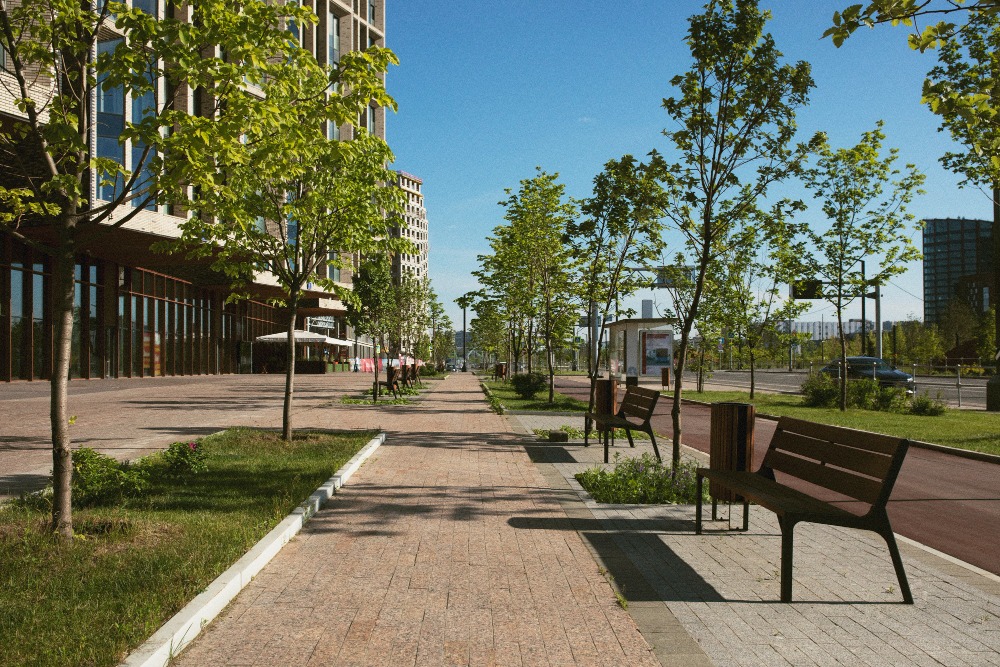
SAPS Q1 2026 crime statistics confirm what private security operators already know — residential burglary, armed home invasion and hijacking remain concentrated in suburbs where security is treated as a tickbox rather than an operating system. The pattern is consistent: walled off does not mean watched over. Estates with active access control, supervisor overlay, real reporting, and integrated armed response continue to see materially lower incident rates than estates that rely on physical barriers alone. The data has not changed — the conclusion has not changed. The walls do not do the work.
TL;DR Gated communities in South Africa appear to offer enhanced security features and a sense of reduced crime risk, yet evidence suggests that residents may experience a higher risk of victimisation. The safety of these environments is influenced by various factors, including crime rates, security measures, community interaction, and the psychological effects of perceived safety. Hence, potential residents should thoroughly assess these aspects when considering living in gated areas.
Gated communities in South Africa can seem like a safe haven for many, but the reality is a bit more complicated. Although these areas boast security features that give residents peace of mind, research indicates that those living behind gates may actually experience higher rates of crime. Factors such as local crime statistics, the efficiency of security systems, and the dynamics within the community play significant roles in determining true safety levels. Additionally, there’s the psychological aspect; people often feel safer than they might be. Ultimately, it’s prudent for potential residents to weigh these considerations carefully before making a decision.
Table of Contents
What Does ‘Safety’ Mean in a Gated Community?
Credits: condocontrol.com
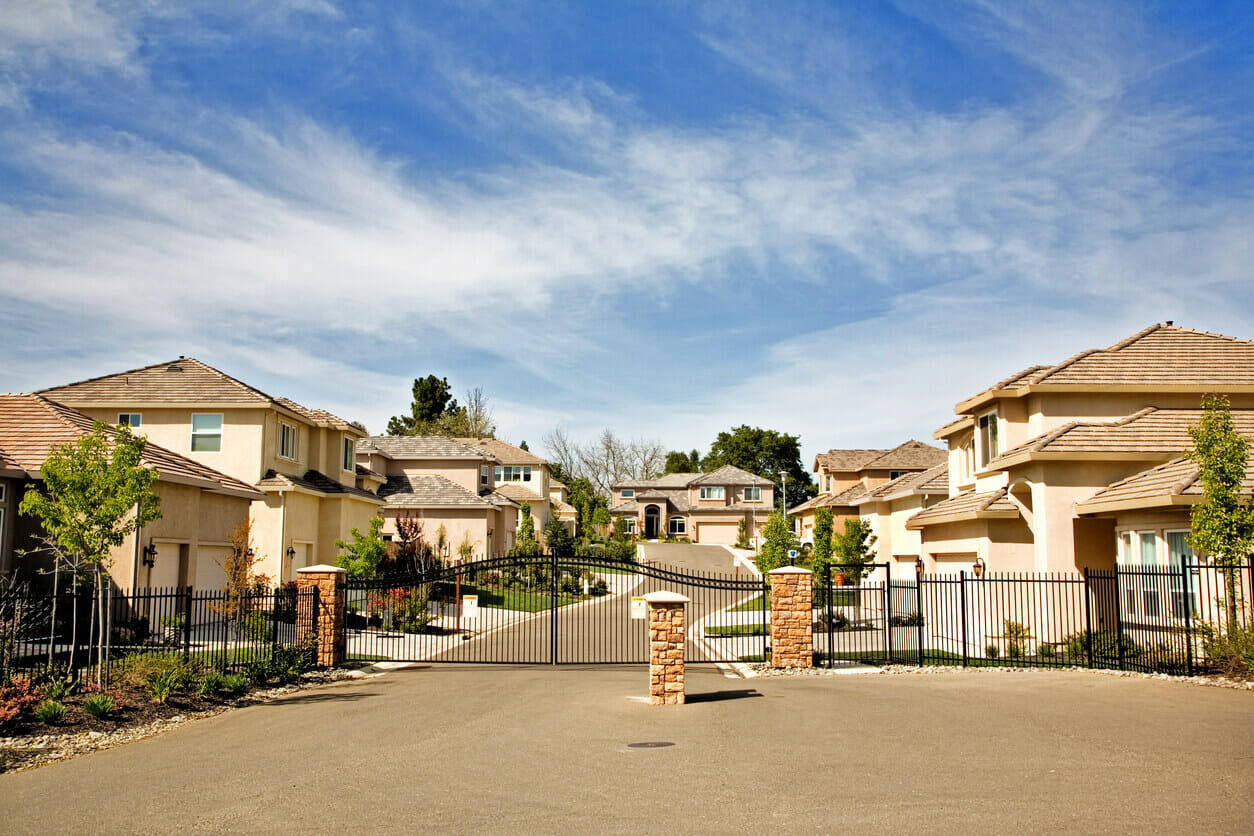
Safety in a gated community is a multifaceted concept that extends beyond mere statistics. It often involves the sense of security that residents feel within their homes, which can be as important as actual crime rates. This feeling of safety encompasses both physical protection from crime and emotional reassurance from fear, creating a complex interplay between perception and reality.
Many gated communities feature restricted access points, which can enhance residents’ feelings of security. The presence of guards, security cameras, and adequate lighting is designed to deter crime, contributing to a visual sense of safety. However, this perceived safety does not always reflect the actual risk of crime, which can differ significantly from one community to another.
Community dynamics also play a crucial role in shaping perceptions of safety. A close-knit neighbourhood, where residents know each other, can foster a stronger sense of security compared to a more isolated environment. This neighbourliness, alongside community involvement, can enhance the emotional safety of residents, making them feel more at home.
Importantly, safety is subjective and varies greatly among individuals. What one person sees as a secure environment, another might view as a potential risk. For instance, some residents might feel safer in a community with strict rules about behaviour, while others might find such regulations stifling. In South Africa, studies suggest that while gated communities may appear safer due to their security features, residents could face a higher risk of victimisation, highlighting the need for critical evaluation of what safety truly means in these environments.
Do Gated Communities Actually Have Lower Crime Rates?

Credits: sciencedirect.com
Some studies indicate that gated communities may experience lower crime rates, yet the results can vary significantly. The presence of security features like gates, guards, and surveillance cameras can deter opportunistic crimes, but they do not eliminate the risk entirely. Interestingly, other research has found that crime can still occur in these areas, sometimes at rates higher than in non-gated communities. Criminals might view gated areas as appealing targets, believing that residents are more affluent and therefore more likely to possess valuable items. The actual effectiveness of security measures plays a crucial role in determining crime rates; a well-guarded community may indeed feel safer than a poorly secured one. Residents often report a sense of security, even when crime statistics do not necessarily support this feeling. The isolation that comes with living in a gated community can create a false sense of security, leading individuals to underestimate potential risks. Additionally, comparative crime statistics can be misleading, as they may not take into account the unique dynamics of each community. Factors such as neighbourly watch programmes and local crime trends can have a significant impact on safety, necessitating a deeper understanding of the specific environment before drawing conclusions about the safety of gated living.
| Factor | Impact on Crime Rates |
|---|---|
| Studies suggesting lower crime rates | Varies widely based on location and specific community features |
| Presence of security features | Can deter some opportunistic crimes |
| Research indicating higher crime rates | Some gated communities experience increased risk due to perceived affluence |
| Effectiveness of security measures | Significantly influences actual crime rates observed |
| Residents’ feelings of safety | Often do not correlate with actual crime statistics |
| Isolation effects | Can create a false sense of security leading to lax vigilance |
| Community dynamics | Neighbourly watch programmes may help influence crime rates |
| Comparative statistics | Can be misleading without considering local context |
| Understanding local crime trends | Essential for evaluating safety in gated communities |
What Security Features Make a Gated Community Safer?
Gated communities often boast a range of security features designed to enhance safety for residents. Common elements include guardhouses, security gates, and fencing that encircles the area, creating a physical barrier against unauthorised access. CCTV cameras are prevalent in these settings, offering constant surveillance that not only monitors activity but also acts as a deterrent to potential criminals. Well-lit common areas contribute to safety during the night, helping residents feel more secure when walking around after dark.
Access control systems, utilising key cards or entry codes, restrict entry to residents and their authorised guests, further reducing the risk of unwanted visitors. Many gated communities employ patrolling security personnel who can quickly respond to incidents, providing an added layer of reassurance for those living there. Additionally, alarm systems installed within individual homes bolster security efforts, ensuring that residents have measures in place to protect their properties.
Effective emergency response systems and protocols can also enhance feelings of safety, as residents know there are plans in place for various situations. Community rules often enforce safety measures, promoting a culture of vigilance and care among neighbours. However, the regular maintenance of these security features is crucial; without proper upkeep, their effectiveness diminishes over time. Engaging residents in discussions about security can further enhance community commitment to safety, fostering a collective sense of responsibility that can be invaluable in a gated environment.
- Common security features include guardhouses, security gates, and fencing around the perimeter.
- CCTV cameras can provide surveillance and act as a deterrent to would-be criminals.
- Good lighting in common areas can enhance safety during night-time hours.
- Access control systems, like key cards or codes, limit entry to residents and authorised guests.
- Patrolling security personnel can respond quickly to incidents and reassure residents.
- Alarm systems within homes can provide additional security for individual properties.
- Emergency response systems and protocols can make residents feel more secure.
- Community rules may enforce safety measures, promoting a safer environment.
- Regular maintenance of security features is critical for their effectiveness.
- Engaging residents in discussions about security can enhance their commitment to safety.
Are Residents in Gated Communities Safer From Home Invasions?
Home invasions can and do occur in gated communities, despite the presence of security measures. This reality can be surprising for many residents who may assume that living behind gates and walls offers complete protection. In fact, the very perception of safety can lead to a false sense of security, causing residents to let their guard down. This decrease in vigilance can make them more vulnerable to crime. Interestingly, some criminals view gated communities as attractive targets, believing that the higher-value homes within are worth the risk. While security features might slow down intruders, they do not guarantee that invasions will be prevented altogether.
Community awareness is crucial; residents who communicate and watch out for one another can significantly enhance their safety. Moreover, statistics on home invasions may not always reflect the reality of crime rates within gated settings, leading to a skewed understanding of safety. It is essential for residents to balance the perceived safety of their environment with proactive security measures of their own. Initiatives like neighbourhood watch schemes can bolster security and deter potential criminals. Building trust and forming strong ties with neighbours can further enhance personal safety, as a connected community is often more resilient to crime. Ultimately, home invasions can happen anywhere, so staying informed and vigilant is vital for residents, regardless of their living situation.
What Are the Limitations of Gated Security?
Gated communities can create a false sense of security for residents, making them feel they are crime free. But this is a myth. For one, some security measures can be very expensive and require resident contributions which may not always mean effective protection. Over time, criminals can learn to bypass these security features and adapt to whatever is needed. And the focus on physical barriers can lead to complacency, where residents rely too much on security measures and not enough on their own personal safety.
Being isolated from the surrounding community can exacerbate these issues as it limits the social support networks that are key to feeling safe. Limited access points while intended to control entry can hinder emergency services from responding quickly in case of an incident. And despite their best efforts, residents in gated communities can still face vandalism or petty crime. So the question is, do these communities really make us safer or just mask the deeper vulnerabilities in the community.
Challenges to the Assumption of Safety in Gated Communities
The assumption that gated communities inherently offer safety is often influenced by media portrayals of crime, which can skew public perception. Many residents may not be fully aware of the actual crime statistics in their area, leading to misguided beliefs about their safety. For instance, a community may boast high-end security measures, yet if the surrounding area faces socioeconomic challenges, crime rates may remain high regardless of the gates. Living in a gated community can also have a psychological impact, potentially increasing anxiety among residents who fear crime, even if the actual risk is lower than perceived.
Moreover, fear can lead to an overestimation of risk, distorting how safe people feel in their own homes. Community dynamics play a crucial role too; strong neighbourly relationships can foster a sense of safety that gates alone cannot provide. It’s important to note that the presence of security measures does not guarantee actual safety, as gated communities are not immune to broader societal issues affecting crime. Education about crime prevention can empower residents, helping them engage proactively with local issues rather than relying solely on the gated environment for their protection.
Frequently Asked Questions
1. Do gated communities prevent crime completely?
Gated communities may reduce crime rates due to access control and security measures, but they do not completely eliminate crime. Some criminal activities can still occur.
2. Are residents of gated communities safer than those in open communities?
Residents may feel safer in gated communities due to the perceived security, but studies show that safety can depend on several factors, including location and neighbourhood dynamics.
3. How do security measures work in gated communities?
Gated communities often use security guards, surveillance cameras, and access restrictions to monitor who enters and exits. This can deter unwanted visitors.
4. Can living in a gated community make residents complacent about safety?
Yes, some residents may become less vigilant about personal safety and crime prevention, relying too much on community security measures.
5. What other benefits do gated communities offer besides safety?
Besides safety, gated communities may provide a sense of privacy, shared amenities like parks or pools, and a community atmosphere, which can enhance residents’ quality of life.
Get Estate Security That Actually Works
If your gated community needs proper guarding, access control and armed response, get a written proposal sized to your estate.