
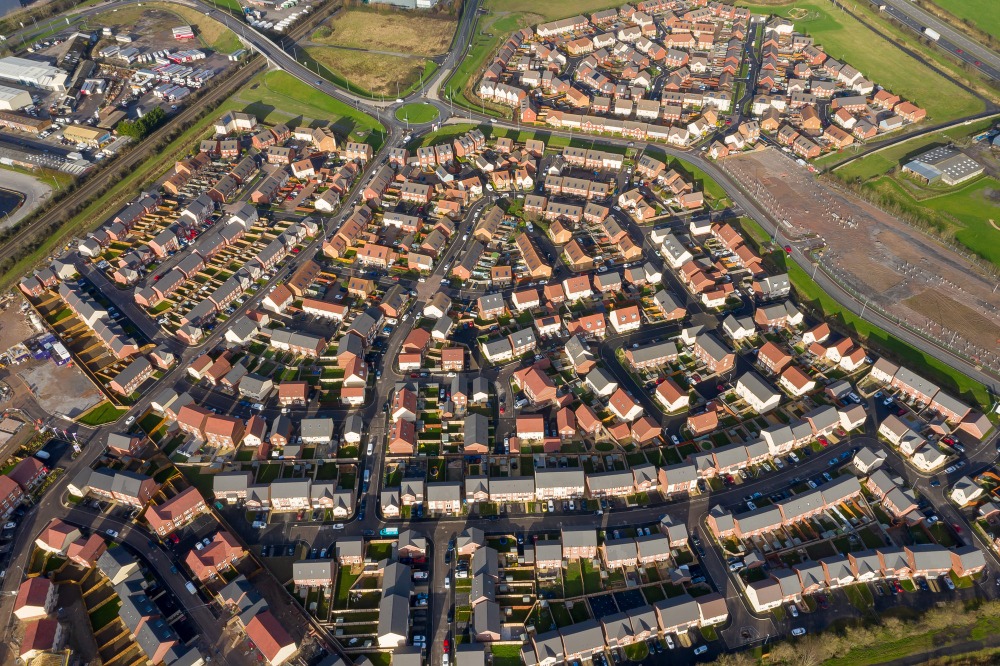
What Are the Main Home Security Risks in South Africa?
The main home security risks in South Africa are weak access control at entrances, unsecured perimeter and secondary access points, resident complacency, outdated or incompatible security technology, and poor emergency preparedness. In gated communities and residential estates these risks compound, because residents assume the walls, booms and cameras are doing more work than they actually are.
Gated estates in South Africa are safer than open suburbs on most measures, but they are not secure by default. The weaknesses below are the ones we see most often on South African estates, from single-boom entrances that anyone can tailgate through to perimeter fences that have never been tested. Each section sets out the real-world problem, what it typically costs an estate, and the practical fix.
Living in a gated community should mean peace of mind, but the reality is that many South African estates face security vulnerabilities that put residents at risk. From load-shedding challenges to copper theft syndicates, our unique local conditions create specific security gaps that generic security solutions simply can't address.
Whether you're an estate manager, HOA trustee, or concerned resident in Pretoria estates or anywhere in Gauteng, understanding these weaknesses is the first step to creating a truly secure environment. Let's examine the most common security challenges facing South African gated communities and, more importantly, how to fix them with practical, locally-relevant solutions.
1. Inadequate Access Control and Visitor Management
Access control is the foundation of estate security, yet many South African communities still struggle with outdated systems that create more problems than they solve. When access becomes too complicated or inconvenient, residents start taking shortcuts – sharing codes, propping gates open, or pressuring guards to "just let them through." These behaviours completely undermine your security investment.
The Real Problems We See Daily
In South Africa, access control faces unique challenges. During load-shedding, electronic systems fail if there's no backup power, leaving gates stuck open or forcing manual operation that slows everything down. Many estates haven't upgraded from physical access cards or remotes, which are easily cloned at your local shopping centre for a few hundred rand.
PSIRA regulations require that all access control personnel be properly registered and trained, yet many estates employ guards who lack this certification. This isn't just a compliance issue – untrained personnel make inconsistent decisions, miss security threats, and often don't understand their legal limitations when dealing with difficult visitors.
Another critical issue is POPIA compliance. If your estate uses licence plate recognition (LPR) or facial recognition systems, you need proper consent protocols and data management policies. Without these, you're exposing your HOA to significant legal and financial risks.
Modern Solutions That Actually Work
Today's leading estates are implementing integrated access management systems that combine:
| Solution | Benefits | Load-shedding Ready? |
|---|---|---|
| Biometric access with backup power | Can't be shared or cloned, works during outages | Yes, with UPS/inverter |
| Vehicle tag/LPR systems | Automatic gate opening for residents, visitor tracking | Yes, with proper backup |
| Digital pre-registration | Visitors registered via app, QR code access | Yes, cloud-based |
| Mobile-based access | Smartphone becomes the key, remote management | Yes, cellular networks |
| Integrated intercom systems | Video calling to residents, recording capability | Requires backup power |
Bolwa Security Advantage: Our access control solutions are specifically designed for South African conditions. We ensure all systems have adequate backup power for Stage 6 load-shedding, include POPIA-compliant data management, and integrate seamlessly with your existing infrastructure. Our PSIRA-registered personnel receive ongoing training on both technology and legal compliance. Contact us to secure your estate properly.
2. Multiple Unsecured Access Points
Your main gate might be Fort Knox, but what about that pedestrian gate by the park? The service entrance near the refuse area? The emergency exit that hasn't been checked in months? In South African estates, these secondary access points are often the weakest links in your security chain.
Where Criminals Actually Enter
Professional criminals know that main gates have cameras, guards, and strict protocols. That's why they target:
- Pedestrian gates without proper access control or monitoring
- Electric fence energiser rooms that aren't locked or alarmed
- Service and delivery entrances with outdated locks or informal "arrangements"
- Emergency exits that comply with fire regulations but lack security monitoring
- Perimeter fencing at remote corners where response time is longest
The rise in copper cable theft has made this worse. Criminals specifically target areas near electrical infrastructure, knowing that during load-shedding, electric fences might be off and cameras blind.
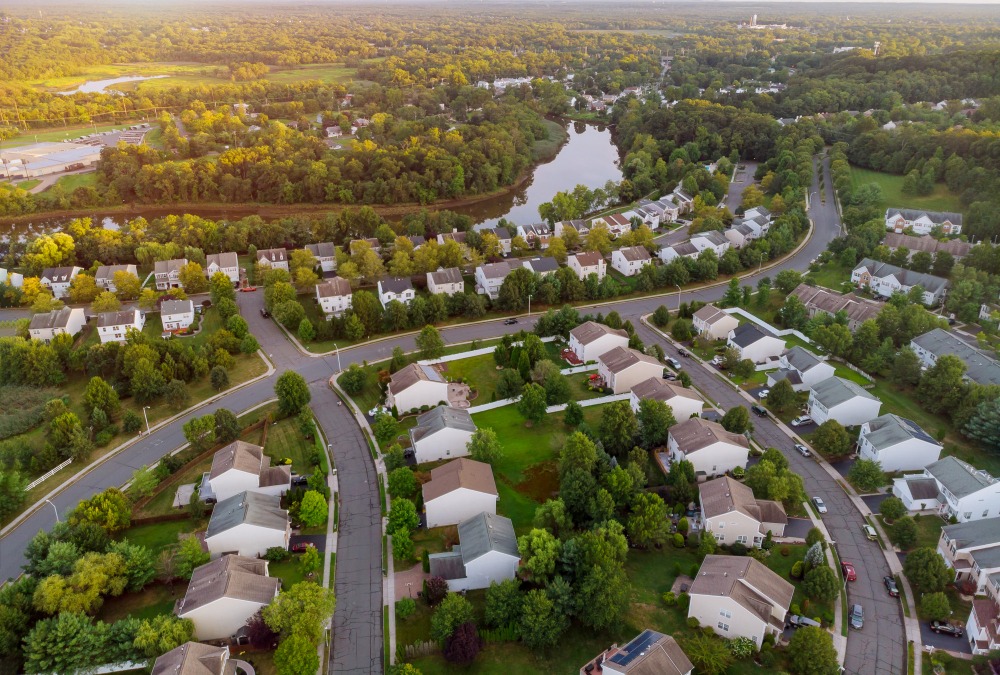
Comprehensive perimeter assessments identify every vulnerable access point
Comprehensive Perimeter Security
Effective perimeter security in South Africa must address both high-tech and low-tech threats:
Electric Fencing Compliance
Your electric fence must comply with SANS 10222-3 standards, with proper earthing, warning signs, and voltage regulation. But compliance isn't enough – you need regular voltage logging to prove the fence was active during any incidents (crucial for insurance claims).
Integrated Monitoring
- Remote video verification on all secondary gates
- Fence vibration sensors linked to control rooms
- Thermal cameras for large perimeters
- Automated alerts when any access point is breached
Learn more about why 24/7 security monitoring is crucial for comprehensive protection.
Physical Security
- Anti-lift brackets on palisade fencing
- Proper lighting at all access points
- Clear zones (no vegetation) along perimeters
- Regular physical inspections of all barriers
Bolwa Security Approach: We conduct comprehensive perimeter assessments, identifying every potential access point. Our solutions combine physical barriers, electronic detection, and human response to create multiple security layers. We also ensure your electric fencing meets all legal requirements while maintaining maximum effectiveness. Check if we cover your area.
3. Resident Complacency and Behavioural Risks
Here's an uncomfortable truth: your residents might be your biggest security risk. Not intentionally, of course, but through everyday behaviours that compromise the entire estate's safety. In South Africa, where many residents employ domestic workers, contractors, and regular service providers, this challenge is particularly complex.
Common Security Mistakes Residents Make
Living in a gated community can create a false sense of security. Residents often:
- Share access codes with domestic workers, who then share them with others
- Allow unknown "delivery drivers" through gates to avoid going to collect parcels
- Fail to lock vehicles in driveways (still the leading cause of theft from estates)
- Post on social media about holidays while away
- Ignore suspicious behaviour because "security will handle it"
- Resist security protocols they find inconvenient
Legal Tools and Community Solutions
The Community Schemes Ombud Service (CSOS) provides legal backing for HOAs to enforce security rules. Residents who repeatedly violate security protocols can face:
- Warning letters
- Fines under the estate's conduct rules
- Restriction of access privileges
- Legal action in severe cases
But enforcement alone doesn't work. Successful estates create a security culture through:
Communication Channels
- WhatsApp or Signal groups linked to control rooms
- Regular security updates at AGMs
- Monthly security tips in newsletters
- New resident security orientations
Making Security Convenient
- User-friendly access systems
- Dedicated contractor registration processes
- Clear visitor policies
- Quick response to security concerns
Bolwa Security's Educational Approach: We believe informed residents are your best defence. Our community liaison programmes include regular workshops, security tip communications, and user-friendly reporting systems. We work with your HOA to develop conduct rules that are both effective and enforceable under CSOS guidelines. Learn more about us.
4. Vandalism and Property Damage
Vandalism in South African estates goes beyond graffiti and broken benches. We're dealing with economically motivated damage – copper theft from streetlights, solar panel theft, and damage to infrastructure during load-shedding protests. This isn't just about aesthetics; it's about maintaining the security infrastructure that keeps residents safe.
The Real Cost of Vandalism
When vandalism goes unchecked, it creates a cascade of problems:
- Damaged cameras create blind spots criminals can exploit
- Stolen copper cables disable electric fences and lighting
- Vandalised gates and barriers compromise access control
- Graffiti and damage signal that security is lax
- Insurance premiums increase for the entire estate
During load-shedding, vandalism often spikes. Dark streets make it easier for criminals to operate, and frustrated residents sometimes damage infrastructure in protest. Substations, pump houses, and generator enclosures become particular targets.
Proactive Prevention Strategies
High-Risk Area Protection
- CCTV coverage of all substations and electrical infrastructure
- Motion-activated lighting around vulnerable equipment
- Anti-climb paint and barriers on infrastructure
- Locked cages around copper-containing equipment
- Regular patrols during load-shedding schedules
Insurance Compliance Requirements
Many insurers now require specific security measures for electrical infrastructure: 24/7 CCTV recording capability, backup power for security systems, regular security assessments, documented patrol routes, and incident registers.
Bolwa Security's Asset Protection: Our guards are trained to identify early signs of vandalism and infrastructure targeting. We implement specific patrol protocols during high-risk periods and ensure all incidents are properly documented for insurance and legal purposes.
5. Outdated or Incompatible Security Technology
Many South African estates are stuck with security technology from the early 2000s – analogue cameras recording to DVRs that nobody checks, access systems running on Windows XP, and intercoms that barely work on a good day. This outdated tech doesn't just inconvenience residents; it actively compromises security.
Why Old Tech Fails in Modern SA
Legacy security systems weren't designed for our current challenges:
- No remote monitoring during load-shedding or emergencies
- Poor image quality that can't identify faces or number plates
- No integration between different systems
- Vulnerable to cyber attacks (yes, criminals hack security systems now)
- Can't scale as estates grow
- No cloud backup when systems fail

Modern IP-based systems enable remote monitoring and intelligent analytics
The Smart Upgrade Path
You don't need to replace everything at once. A phased approach works better:
Phase 1 - Critical Systems
- Upgrade to ONVIF-compliant IP cameras at entry/exit points
- Implement backup power for all security systems
- Secure your network infrastructure
- Cloud backup for all footage and access logs
Phase 2 - Enhanced Coverage
- Expand IP cameras to cover all common areas
- Integrate access control with video systems
- Implement analytics (line crossing, object detection)
- Mobile apps for resident notifications
Phase 3 - Full Integration
- AI-powered incident detection
- Integration with armed response systems
- Predictive analytics for crime prevention
- Full remote management capability
Bolwa Security's Technology Evolution: We specialise in upgrading legacy systems without breaking the bank. Our phased approach ensures you maintain security during the transition, and our systems are specifically configured for South African conditions – including load-shedding resilience and POPIA compliance.
6. Lack of Regular Security Assessments and Audits
Security isn't static. Without regular assessments, estates miss critical vulnerabilities that develop over time. Professional security auditing should include quarterly SHEQ compliance checks, annual penetration testing, and ongoing performance monitoring against SLA scorecards.
Bolwa Security's Assessment Programme: Our security audits follow international best practices adapted for South African conditions. We provide practical, budgeted solutions with clear implementation timelines.
7. Insufficient Emergency Preparedness and Response
South African estates face unique emergency scenarios – from service delivery protests to extended load-shedding affecting water supply. Effective emergency response requires clear action plans, strong partnerships with SAPS and local CPFs, regular drills, and integrated communication systems.
Bolwa Security's Emergency Excellence: Our teams undergo regular scenario training. We maintain strong relationships with all emergency services and ensure our control rooms can coordinate multi-agency responses effectively.
Frequently Asked Questions
1. How do we maintain security during extended load-shedding?
Effective security during load-shedding requires backup power for all critical systems, increased physical patrols during outages, battery-powered communication devices, and clear protocols for manual override procedures. Work with providers like Bolwa Security who design systems specifically for Stage 6+ conditions.
2. What are our legal obligations for visitor data under POPIA?
POPIA requires explicit consent for collecting visitor information, secure storage of data, defined retention periods, and controlled access to information. Your visitor management system must include consent clauses, encryption for stored data, and clear policies on who can access visitor logs. Non-compliance can result in fines up to R10 million.
3. How do we enforce security rules without seeming draconian?
Use the CSOS framework to create fair, clearly communicated conduct rules. Focus on education before enforcement, implement user-friendly systems that make compliance easy, and ensure consistent application of rules. Regular communication about security incidents helps residents understand why rules exist.
4. What's the minimum insurance requirement for estate security?
While requirements vary, most insurers expect CCTV at all access points, electric fencing meeting SANS standards, 24/7 manned control rooms, regular security assessments, and documented incident response procedures. Always verify current requirements with your insurer.
5. How do we balance security with emergency access requirements?
Emergency exits must comply with fire regulations while maintaining security. Solutions include mag-locked doors tied to fire alarms, break-glass override systems, CCTV coverage of emergency exits, and clear protocols shared with emergency services. Never compromise fire safety for security.
The Bottom Line
Security weaknesses in gated communities aren't inevitable – they're fixable with the right approach. By addressing access control, securing all entry points, engaging residents, preventing vandalism, upgrading technology, conducting regular assessments, and preparing for emergencies, you can create an estate that's genuinely secure.
Bolwa Security specialises in comprehensive security solutions for South African gated communities. From initial assessments to ongoing management, we understand the unique challenges you face and have the expertise to address them. Contact us to discover how we can transform your estate's security from reactive to proactive, giving your residents the peace of mind they deserve.
Related security services