

Table of Contents
- Understanding Security Needs in Residential Estates
- Identifying Unique Risks in Residential Estates
- The Importance of On-Site Security Guards
- Limitations of Relying Solely on Electronic Security
- Advantages of Having Security Personnel
- How Security Guards Enhance Community Safety
- The Role of Continuous Monitoring in Reducing Risks
- Boosting Property Values Through Effective Security
- Building Confidence Among Residents with Professional Security
- Frequently Asked Questions
- TL;DR
Keeping Residential Estates Secure with 24/7 On-Site Protection
Residential estates with multiple homes and shared spaces have specific security challenges that require 24/7 monitoring. These areas can attract criminal activity especially after hours when homes are unoccupied. Break-ins and vandalism happen during these quiet times so constant vigilance is key. While electronic systems like cameras are useful they fall short of the human judgement and assessment that trained security personnel provide. Their presence not only deters potential intruders but also creates a sense of community among residents. With on-site guards managing access points and responding to incidents promptly everyone feels more at ease.
TL;DR 24/7 security monitoring is essential for residential estates due to unique risks like after-hours intrusions and vandalism. On-site security guards provide proactive protection, real-time incident response, and enhance community safety. Relying solely on electronic systems has limitations, as they lack human judgment and can generate false alarms. Professional guarding not only deters crime but also increases property values and builds resident confidence. Ultimately, investing in comprehensive security measures is vital for ensuring safety and peace of mind within these communities.
Security Needs in Residential Estates
Residential estates have special security needs because of their communal nature. With multiple homes and shared spaces they can attract criminal activity. The risk increases especially at night when many properties are unoccupied making them easy targets for break-ins. Areas that are not visible may get vandalized while breaches through entry gates can lead to theft or property damage. These factors highlight the need for ongoing security watch so any suspicious activity is addressed immediately.
Plus trained security personnel are priceless. They not only patrol the estate but also manage access points so only authorized people can enter. This proactive approach not only deters potential criminals but also builds trust among residents. Residents feel more secure knowing there are trained professionals ready to respond to emergencies which can range from theft to medical situations.
While electronic security systems play a big role they can’t fully substitute the human element in security monitoring. Automated systems often struggle with context such as distinguishing between harmless behaviour and potential threats. Security guards can assess situations in real time and make informed decisions that technology can’t replicate.
Risks in Residential Estates
Residential estates have unique risks that can put the safety and security of its residents at risk. One major concern is after hours intrusions as many homes are unoccupied during the night making them prime targets for criminals. The cover of darkness is the perfect time for break-ins and without monitoring these incidents can spiral out of control. Vandalism is also a threat especially in secluded or less visible areas of the estate. Unsightly damage can not only affect property values but can also create unease among residents.
Another risk is gate breaches which can allow unauthorized people to enter the community. These breaches can lead to theft, property damage or even more serious crimes. So the need for continuous security is clear as the unique layout and shared spaces of residential estates create vulnerabilities that need to be addressed. Understanding these specific risks is key to developing effective security solutions for its residents.
| Risk Type | Description | Frequency of Occurrence |
|---|---|---|
| After-Hours Intrusions | Higher incidents of break-ins at night when homes are often unoccupied. | High |
| Vandalism | Damage to properties, especially in less visible areas during quiet hours. | Moderate |
| Gate Breaches | Unauthorized access through gates leading to potential theft or property damage. | Moderate |
The Importance of On-Site Security Guards
Credits: csapatrol.com
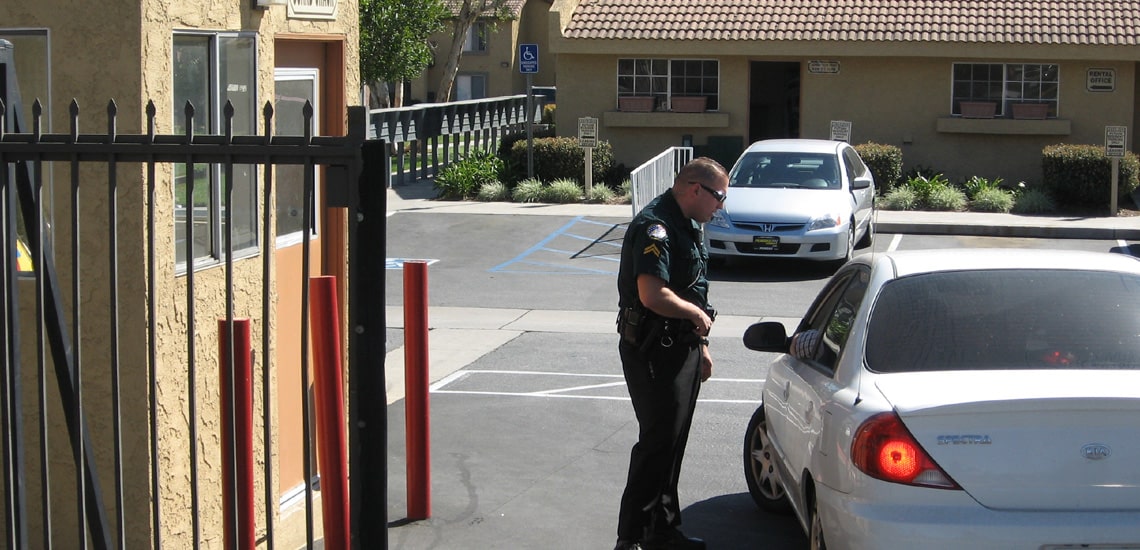
On site security guards play a big role in keeping residential estates safe. Their presence is a strong deterrent to potential intruders, the visible presence of professional monitoring can discourage criminal activity. Trained security personnel patrol the estate regularly to ensure all areas are monitored and any unusual behaviour is identified and addressed.
In addition to their patrol duties, security guards are responsible for managing access points such as gates and entrances. This control over who comes in and out of the estate not only adds to the security but also builds trust among residents. For example a guard who knows regular residents can quickly identify someone who doesn’t belong and take action if necessary.
Moreover in the event of an incident – whether it’s a break in, vandalism or even a medical emergency – having trained personnel on site means help can be sent quickly. They can assess the situation in real time and respond accordingly to prevent further harm or damage.
While electronic security systems like cameras and alarms are important, they can’t replace the human element that security guards bring. Guards can interpret context, make decisions based on what they see and respond to situations in a way that automated systems can’t. For example if a guard sees someone acting suspiciously they can intervene or call for help, a camera will just record the event without taking any action.
Having security on site not only adds to the physical safety of the estate but also to the overall wellbeing of the community. Guards interact with residents and create a friendly atmosphere that encourages vigilance and cooperation among neighbours. This builds a sense of belonging and security that is priceless in a residential environment.
Limitations of Relying Solely on Electronic Security
Credits: security.org
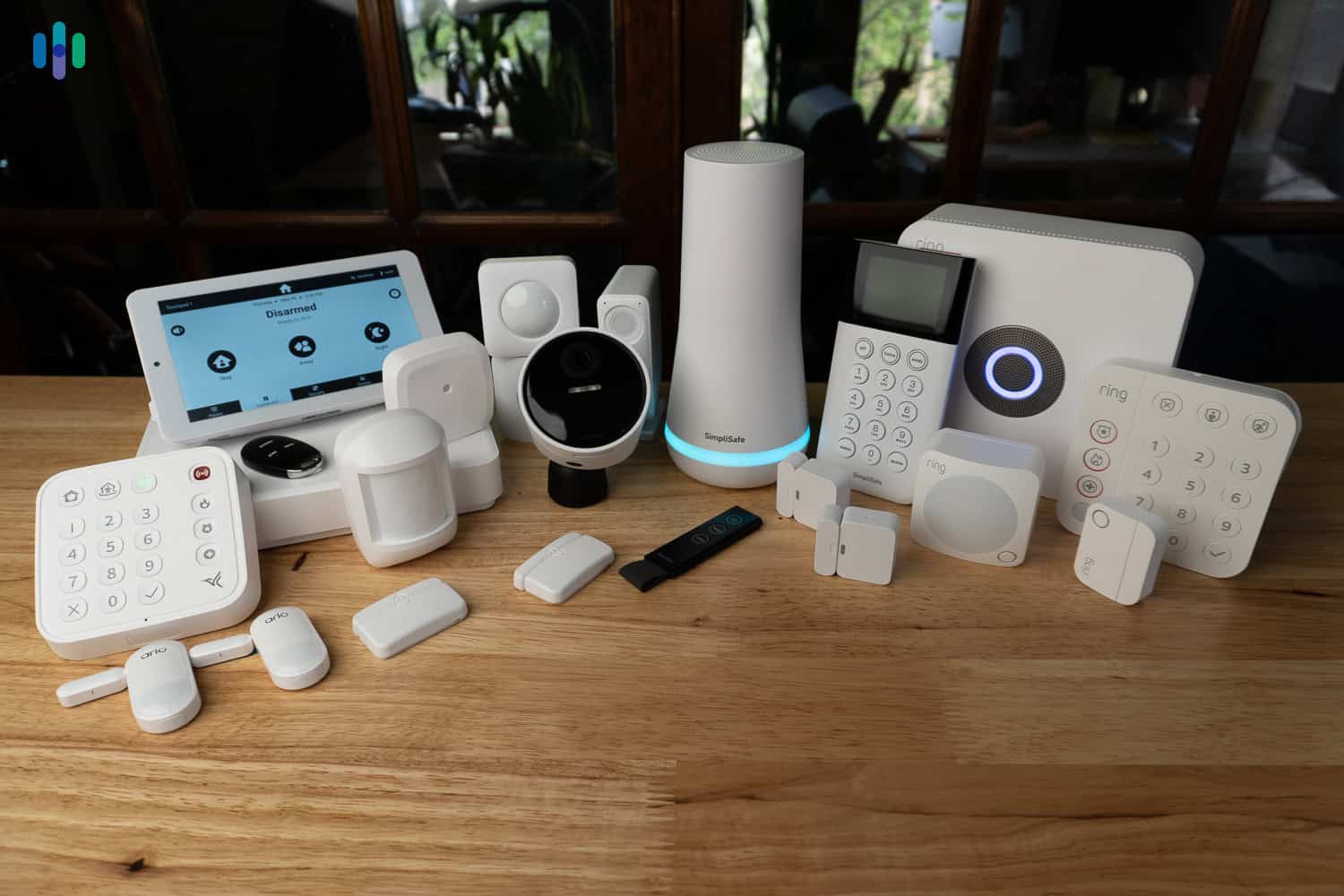
While electronic security systems like cameras and alarms are part of an estate’s safety infrastructure, they have limitations when relied upon alone. One major drawback is the lack of human judgement. An alarm may trigger but without a trained security guard to assess the situation the response may be lacking in nuance. For example a motion sensor may detect movement but not be able to tell the difference between a harmless pet and a potential intruder.
Moreover electronic systems can misinterpret behaviour. A person walking through the estate may trigger an alarm but only a guard can determine if their presence is suspicious or innocent. This lack of context awareness can cause unnecessary panic among residents.
Additionally false alarms are a common issue with automated systems. Frequent false alarms can desensitize residents to the point of complacency and a false sense of security. When people get used to alarms not resulting in real threats they may ignore them altogether putting the whole community at risk.
Furthermore electronic systems are vulnerable to technical failures or outages. A power cut or system malfunction could leave an estate without any security coverage. On the other hand having on-site security personnel ensures ongoing protection regardless of technology failures.
In summary while electronic security systems play a big role in securing residential estates they can’t replace the human element that comes with professional security personnel
Advantages of Having Security Personnel
Credits: alamy.com
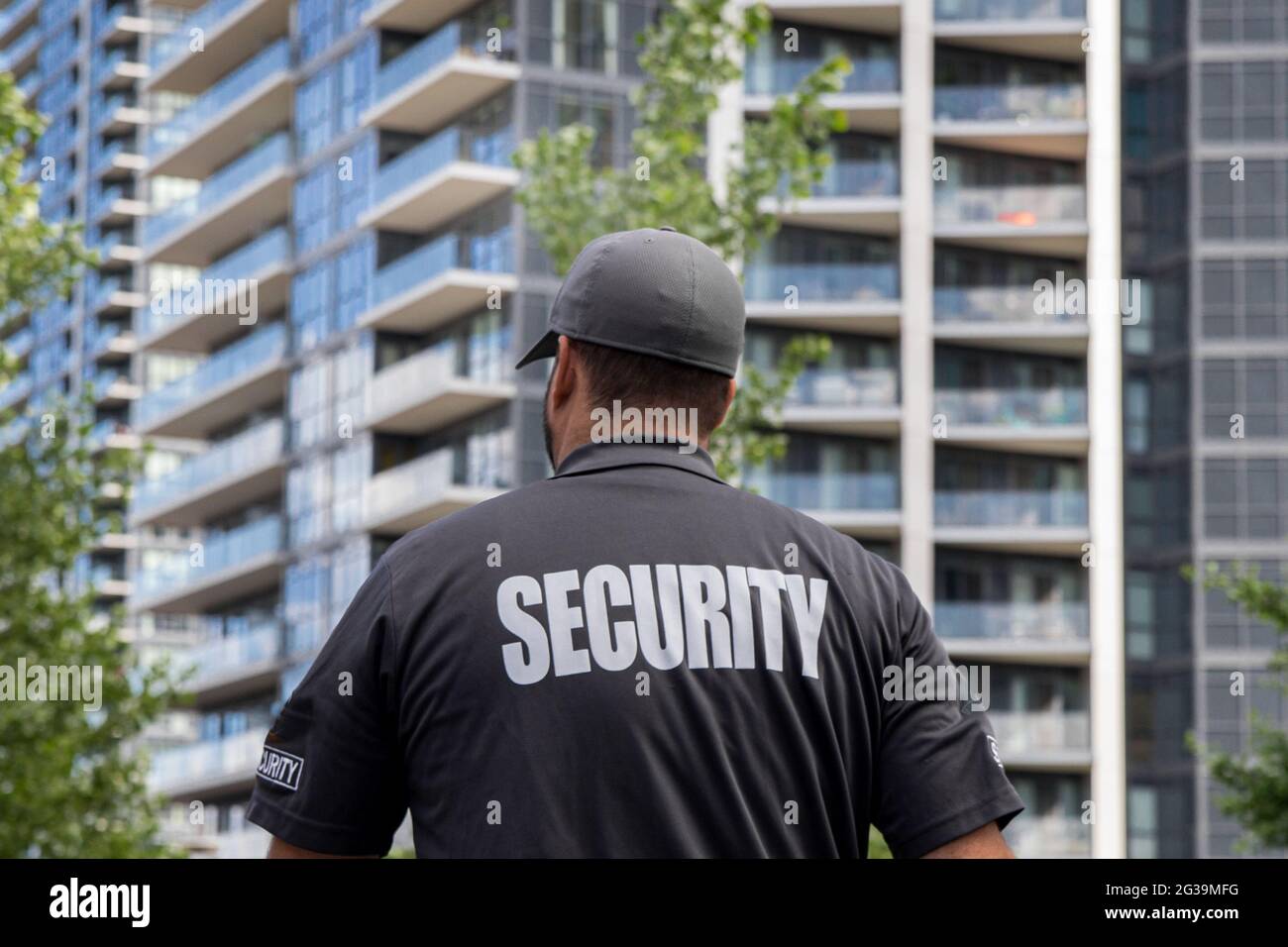
Having dedicated security personnel in residential estates offers many benefits that go beyond just surveillance. The presence of trained guards is a strong deterrent to potential criminals who are often discouraged by the knowledge that they are being monitored by professionals. For example a recent case a residential estate reported a significant drop in break-ins after hiring on-site security as thieves tend to avoid areas where they know guards are present.
Moreover security personnel play a big role in building a sense of community. Their regular interaction with residents not only builds trust but also creates an atmosphere where residents feel safer. This engagement can lead to a more vigilant community where residents look out for each other further enhancing overall security.
Additionally security guards are equipped to handle various situations beyond just monitoring. Whether it’s responding to a medical emergency or addressing a fire threat their training allows them to act fast and effective providing peace of mind to residents. This holistic approach to safety ensures all bases are covered making the environment much safer for everyone involved.
- Constant vigil against potential threats
- Immediate response to incidents
- Personal interaction with residents, fostering trust
- Deterrent against crime due to visible presence
- Ability to handle emergencies effectively
- Enhanced safety through regular patrols
- Professional training in conflict resolution and first aid
How Security Guards Enhance Community Safety
Security guards play a vital role in enhancing the safety of residential estates. Their presence acts as a strong deterrent against potential criminal activity. For instance, a community with visible security personnel is less likely to attract intruders compared to one that relies solely on electronic systems. Guards regularly patrol the area, ensuring that all corners of the estate are monitored, which significantly reduces the chances of after-hours intrusions or vandalism.
In addition to their patrols, security guards manage access control at entry points, ensuring that only residents and authorised visitors are allowed entry. This not only minimises the risk of unauthorised access but also fosters a sense of security among residents, who can feel confident knowing that their community is being closely monitored.
Moreover, in the event of an emergency, security guards can respond immediately, which is crucial for minimising potential harm. For example, should a suspicious person be spotted or an alarm be triggered, guards can quickly assess the situation, communicate with law enforcement if necessary, and take appropriate action. This real-time response capability is something that electronic systems cannot replicate, highlighting the importance of human presence in security measures.
The Role of Continuous Monitoring in Reducing Risks
Continuous monitoring plays a vital role in enhancing security within residential estates. By maintaining a watchful eye around the clock, security personnel can quickly identify and address potential threats before they escalate into serious incidents. For example, if a suspicious individual is spotted loitering near a property, guards can intervene promptly, preventing a possible break-in. This proactive approach not only deters criminal activity but also reassures residents that their safety is a priority.
Moreover, the presence of security professionals allows for real-time assessments of situations that electronic systems alone cannot provide. While cameras might capture footage, they lack the ability to interpret behaviours or gauge the context of a scenario. A trained guard can discern whether an action is genuinely threatening or merely a misunderstanding, thereby ensuring a more nuanced response.
Additionally, continuous monitoring helps in maintaining regular communication within the community. Guards often report suspicious activities to both residents and local law enforcement, fostering a collaborative environment where everyone is invested in safety. This dynamic not only enhances the overall security framework but also strengthens community bonds, as residents feel more connected and engaged in their shared safety.
Boosting Property Values Through Effective Security
Effective security measures are not just about protecting residents; they also play a significant role in enhancing property values within residential estates. When potential buyers consider a property, one of their primary concerns is safety. Estates with robust security systems, including 24/7 monitoring and on-site personnel, are often perceived as safer and more desirable. For instance, a residential estate with a visible security presence can command higher prices compared to similar properties without such measures. Additionally, neighbourhoods that report lower crime rates tend to see a steady increase in property values over time. Furthermore, the peace of mind provided by effective security can lead to longer tenancies and satisfied homeowners, which in turn stabilises property values. Buyers are more likely to invest in a community where they feel assured of their safety, making security an essential factor in the real estate market.
Building Confidence Among Residents with Professional Security
Having professional security personnel in residential estates is key to building trust among residents. When residents see guards patrolling the community, it gives them a sense of security and peace of mind that their homes are being looked after. For example, a visible security presence can deter not only intruders but also disruptive behaviour, making for a more peaceful living environment. Security personnel also engage with residents, a friendly face and a reassuring presence that can change the perception of safety in the estate. This community engagement builds rapport and encourages residents to report suspicious activity, which in turn enhances security. Their vigilance and accessibility means residents feel safe and secure knowing that professionals are looking out for them. Get in touch with Bolwa Security for free risk assessment.
Frequently Asked Questions
1. How does 24/7 security monitoring help keep my home safe?
24/7 security monitoring keeps an eye on your property all the time. This means that if anything suspicious happens, help can be called quickly. It acts as a strong deterrent to potential thieves, who are less likely to target a home that’s always being watched.
2. What are the main benefits of having continuous security surveillance?
Continuous security surveillance provides peace of mind, knowing that your home is being monitored around the clock. It can also help catch incidents on camera should they occur, which can be important for insurance claims and police investigations.
3. What types of incidents can 24/7 security monitoring detect?
24/7 security monitoring can detect various incidents, such as break-ins, vandalism, fire, and even floods. This means that your home can be protected from a wide range of dangers, ensuring safety for you and your family.
4. Can I check the security feeds from my phone or laptop?
Yes, most modern security systems allow you to access live feeds through your smartphone or laptop. This way, you can keep an eye on your property from anywhere, giving you extra reassurance while you’re away.
5. Is it necessary to have security monitoring if I already have alarms?
While alarms are helpful, they only notify you or the police after an incident has occurred. 24/7 security monitoring provides proactive surveillance, which can actually prevent incidents from happening in the first place.