
Why Coal Mining Security in Mpumalanga Is Different
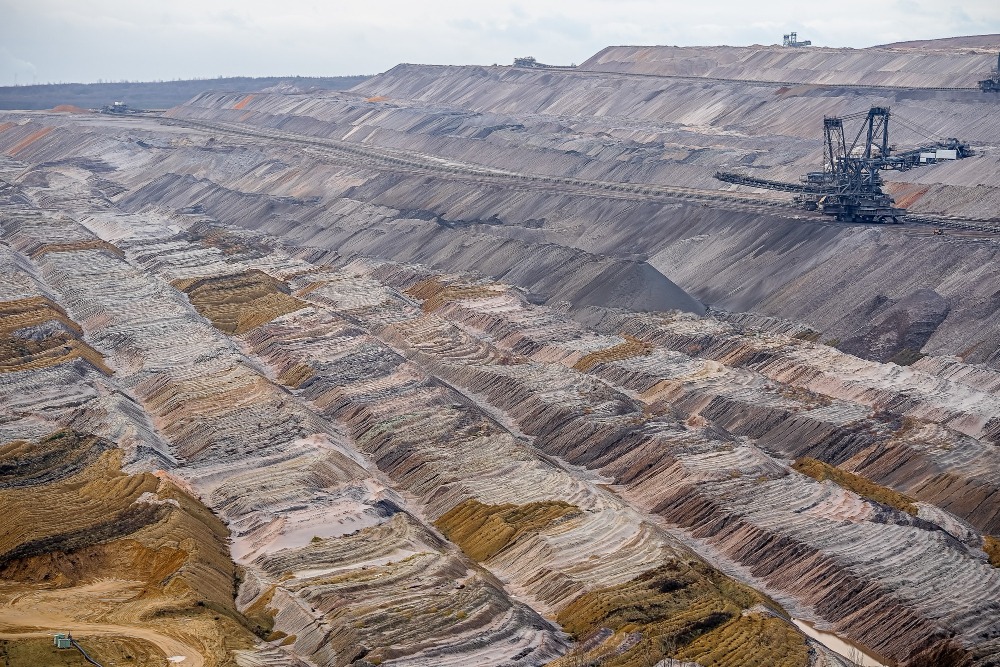
Mpumalanga’s coal belt operates across sprawling semi-rural sites where security challenges look fundamentally different from urban commercial properties or even other mining operations. Your opencast coal mine might span several hundred hectares with multiple access points, contractor traffic flowing through various gates, equipment scattered across operational zones, diesel storage positioned for operational convenience rather than security, and perimeter fencing stretching for kilometers through terrain where natural access routes create vulnerabilities no static fence addresses.
The distance between your main gate security post and your furthest operational zone might exceed five kilometers. Guards stationed at convenient locations can’t observe or respond to incidents occurring in remote zones. Contractors familiar with your site layout know which areas receive minimal attention during which shifts. Equipment positioned in active mining zones but left unattended overnight becomes theft targets when guards patrol infrequently or follow predictable patterns.
Security failures on Mpumalanga coal mining sites rarely occur at main gates where guards maintain visible presence. They occur in remote zones during night shifts when supervision is weakest, at informal access points created by repeated contractor use, during shift changes when access control procedures get rushed to prevent operational delays, and through insider facilitation by personnel who understand exactly where security coverage is minimal.
This isn’t sophisticated criminal methodology. It’s opportunistic theft exploiting predictable security gaps that exist because coal mining security gets designed for perimeter control rather than comprehensive site protection.
Coal mining operations across the Witbank, Middelburg, and Secunda regions share these security challenges. Large operational footprints, contractor-heavy workforces, remote operational zones, equipment dispersed across active mining areas, and the operational reality that production requirements sometimes conflict with security protocols. Effective security for these environments requires structured guard deployment, documented patrol routes, consistent supervision, and integration with operational management not just perimeter fencing and gate control.
This article addresses what actually protects coal mining sites in Mpumalanga beyond perimeter fences. It’s written for operations managers, site supervisors, and decision-makers responsible for securing coal operations where operational realities demand security solutions designed for sprawling rural industrial environments, not generic commercial security approaches.
Table of Contents
The Most Common Security Risks on Coal Mining Sites
Coal mining operations face specific security exposures that generic industrial security approaches fail to address. Understanding how losses actually occur helps identify whether your current security deployment addresses real vulnerabilities or just creates the appearance of protection.
Fuel and equipment theft represents the most financially significant security risk across Mpumalanga coal sites. Diesel storage tanks positioned for operational convenience rather than security monitoring, heavy equipment left in operational zones overnight, haul trucks parked in remote areas between shifts, and smaller equipment and tools left at work sites all create theft opportunities when security patrols are infrequent or predictable.
Diesel theft specifically occurs through multiple methods: unauthorized siphoning during night shifts when supervision is minimal, insider facilitation where personnel coordinate access with external parties, gradual theft over extended periods that inventory tracking misses until losses become substantial, and organized operations targeting sites with known security gaps.
Equipment theft follows similar patterns. High-value machinery left in remote zones overnight, smaller equipment and tools that contractors can transport in vehicles, copper components from idle equipment and infrastructure, and spare parts from equipment yards all represent targets when guards can’t verify these areas frequently enough to deter theft.
Unauthorized contractor access creates security gaps difficult to close operationally. Legitimate coal mining operations require dozens or hundreds of contractors daily for maintenance, specialized services, equipment repairs, material deliveries, and operational support. Each contractor entry point represents potential unauthorized access if guards can’t effectively verify credentials, coordinate with site management, and maintain security protocols while facilitating necessary operations.
Contractors develop site familiarity over time, understanding operational patterns, guard deployment, security procedures, and which zones receive minimal attention. This knowledge allows contractors inclined toward opportunistic theft to identify windows for unauthorized material removal or equipment access that appear legitimate until inventory discrepancies emerge weeks later.
Informal access routes and fence breaches develop naturally across large coal mining perimeters. Contractors repeatedly accessing the same operational zones create informal paths that eventually breach perimeter fencing. Natural terrain features provide access routes that fencing can’t adequately address without constant verification. Historical access patterns from before current security measures existed persist as known entry points in surrounding communities.
These informal routes remain undetected when guard patrols follow predictable patterns, focus on official access points while neglecting perimeter zones, or occur too infrequently to identify developing access paths before they become established. By the time security becomes aware of informal access routes, they’ve been used extensively enough that closure creates operational complications.
Night-shift exposure amplifies every security weakness. Coal mining operations running 24/7 face maximum vulnerability between midnight and 05h00 when criminal activity peaks and security supervision decreases. If your night-shift guards aren’t supervised through documented spot checks, verified through patrol documentation, and held accountable for security protocol execution, you’re most vulnerable during the highest-risk period.
Night-shift security failures compound because incident discovery gets delayed. Equipment theft or unauthorized access occurring between midnight and 05h00 might not be discovered until the following morning’s operational startup, providing criminals extended opportunity to remove materials or cover evidence of security breaches.
Insider collusion risk represents arguably the most difficult security challenge. Personnel with site knowledge, access credentials, and familiarity with security procedures can facilitate theft far more effectively than external criminals operating without insider coordination. This risk extends beyond direct employees to contractors, suppliers, and temporary workers who develop site understanding through repeated access.
Insider facilitation manifests through various methods: providing access for external parties during low-supervision periods, coordinating equipment or material removal disguised as legitimate operations, gradually removing smaller items over extended timeframes, and exploiting their understanding of guard deployment and patrol patterns to time theft when detection probability is lowest.
Delayed response due to site scale means incidents occurring in remote zones might not receive appropriate security response for extended periods. If an alarm activates in a zone five kilometers from the nearest guard post, response time depends on vehicle availability, terrain accessibility, and guard deployment patterns. Criminals understand these response delays and target remote zones specifically because security response cannot be immediate.
These security risks don’t exist in isolation, they interact and compound. Night shifts create windows for insider-facilitated theft. Large site scale delays response to perimeter breaches. Contractor access complexity creates opportunities for unauthorized material removal. Understanding these interconnected risks helps evaluate whether security deployments address actual vulnerabilities or just provide superficial coverage.
Why Perimeter Fencing Alone Does Not Secure Coal Mines
Most Mpumalanga coal mining sites invest substantially in perimeter fencing, believing physical barriers provide security. Then they’re surprised when losses occur despite fencing investment, cameras monitoring certain sections, and guards stationed at main gates.
Perimeter fencing creates psychological deterrence and marks boundaries, but it doesn’t prevent determined access. Fencing spanning kilometers requires continuous verification to detect breaches, something static guard posts positioned at convenient locations cannot provide.
Fence breaches that go undetected occur regularly when guard patrols don’t cover full perimeter circuits frequently enough. Criminals cut fences in remote sections, use breaches for material removal over multiple nights, and security only discovers the breach when equipment goes missing and investigation traces exit routes. By then, substantial losses have occurred and evidence has degraded.
Some breaches result from operational necessity. Contractors needing access to specific zones create informal entry points rather than routing through official gates kilometers away. These “temporary” breaches persist indefinitely because operational convenience overrides security protocols. Guards aware of these informal access points often lack clear protocols for how to handle them, resulting in inconsistent security.
Guards stationed too far from risk zones can’t effectively monitor or respond to threats occurring in remote operational areas. A guard post at your main gate provides no security for equipment positioned three kilometers away in an active mining zone. By the time guards receive notification of problems in remote zones and respond, criminals have substantial head start for equipment removal or material theft.
Static guard deployment assumes visible presence at key locations deters crime. This works for compact properties where guards can observe most activities from fixed positions. It fails completely at sprawling coal mining operations where most valuable assets exist in zones guards never observe from their posts.
Poor patrol coverage across large sites means vast areas receive minimal security verification. If guards patrol your entire perimeter once per shift, criminals working between patrol cycles have multiple hours to cut fences, access equipment, and remove materials before guards discover breaches during the next patrol circuit.
Patrol frequency matters more than patrol existence. Once-per-shift patrols create predictable windows. Twice-per-shift patrols reduce criminal operating windows but remain exploitable if patrol timing becomes predictable. Effective patrol coverage requires sufficient frequency that criminals can’t reliably predict gaps while maintaining unpredictable timing preventing criminals from simply waiting for guards to pass.
Most coal mining sites don’t deploy enough guards to provide both adequate static coverage at critical points and sufficient mobile patrol resources for frequent perimeter verification. This forces operational compromises where either gate control suffers or perimeter zones go inadequately monitored.
Over-reliance on cameras without verification leads operators to believe surveillance technology compensates for inadequate guard deployment. Cameras provide evidence after incidents but don’t prevent theft. Criminals operating in camera blind spots, during night hours when nobody actively monitors feeds, or when guards lack clear protocols for responding to suspicious activity can operate despite expensive surveillance infrastructure.
Camera systems require active monitoring and guard response protocols. Without guards specifically assigned to monitor feeds and respond immediately to suspicious activity, cameras simply document crimes rather than prevent them. Most coal mining sites lack resources for dedicated 24/7 camera monitoring, meaning surveillance systems function primarily as post-incident investigation tools.
Effective coal mining security requires perimeter fencing as one component of comprehensive systems where guards actively patrol based on documented routes, supervision verifies guard performance, patrols occur frequently enough to detect breaches promptly, and technology supplements rather than replaces human verification. Relying on fencing alone creates false security confidence while leaving substantial vulnerabilities criminals readily exploit.
What Effective Coal Mining Guarding Looks Like in Practice
Professional coal mining security in Mpumalanga operates as structured systems rather than simple guard presence at gates. Understanding these operational components helps evaluate whether security proposals address your actual requirements or just apply generic templates.
Zoned guarding based on asset risk divides your site into security zones reflecting different threat levels and operational patterns. High-risk zones containing diesel storage, valuable equipment parking areas, copper-containing infrastructure, or explosives storage require frequent verification through dedicated guard posts or intensive patrol coverage.
Medium-risk zones covering active operational areas during production hours but vulnerable during off-hours need scheduled patrol coverage ensuring equipment and materials get verified regularly. Lower-risk zones distant from valuable assets still require periodic patrol verification preventing informal access route development or fence breach accumulation.
This zoning approach ensures security resources concentrate where threat exposure is highest while maintaining coverage preventing vulnerabilities in lower-risk areas. Generic providers deploy guards without risk analysis, resulting in either over-concentration at obvious locations like main gates or inadequate coverage where actual losses occur.
Mobile patrols versus static posts represents a fundamental deployment decision for large coal mining sites. Static guard posts provide continuous presence at specific locations main gates, weigh bridges, equipment yards, or diesel storage areas. Mobile patrols cover large areas, verify remote zones, detect perimeter breaches, and provide unpredictable security presence deterring opportunistic theft.
Most effective coal mining security combines both. Critical control points need permanent guard presence. Large operational areas, extended perimeters, and remote zones need mobile patrol coverage. The balance depends on your specific site layout, operational patterns, and asset distribution.
Mobile patrol effectiveness depends on documentation and verification. Guards should use checkpoint systems physical tokens, mobile apps, or biometric scanners proving they actually visited designated locations rather than claiming patrol completion without verification. Patrol routes should be reviewed quarterly as operational areas change, equipment relocates, or risk assessments identify new vulnerabilities.
Guard familiarity with site layout separates professional operations from guard rotation systems creating perpetual beginners. Guards who work your site consistently develop understanding of normal operational patterns, recognize when equipment has been moved or accessed, identify unfamiliar vehicles or personnel, and know which contractor access during specific hours is legitimate versus suspicious.
Budget security providers rotate different personnel through your site weekly, ensuring nobody develops this operational familiarity. When everything looks unfamiliar, guards maintain basic access control but miss security indicators requiring site-specific knowledge. Professional providers assign consistent guards to sites, building institutional knowledge that significantly enhances security effectiveness beyond simple presence.
Shift handovers and reporting discipline create security continuity or information gaps depending on execution quality. Professional handovers require outgoing guards to brief replacements on day’s activities, highlight ongoing concerns or situations requiring attention, document all occurrences in shift reports, and ensure incoming guards understand current site status before outgoing guards depart.
Weak handovers consist of brief informal conversations leaving incoming guards unaware of developing situations, outstanding issues, or specific concerns requiring monitoring. This creates discrete 12-hour security blocks with no continuity, allowing problems to develop across multiple shifts without recognition because nobody maintains comprehensive awareness.
Reporting discipline means guards document everything significant in occurrence books immediately when events occur, not hours later from memory. Professional security companies audit occurrence books regularly, ensuring guards maintain documentation standards. Budget providers ignore occurrence books until clients complain about missing information, by which point patterns of poor documentation are deeply established.
Supervision across large areas presents logistical challenges for sprawling coal mining sites. Supervisors can’t effectively oversee operations spanning hundreds of hectares with guards deployed across multiple zones and access points. This requires structured supervision approaches including documented weekly site visits during each shift cycle, irregular spot checks during high-risk hours (especially night shifts in remote zones), remote monitoring of patrol checkpoint documentation, direct communication channels with site management, and quarterly performance reviews with clients.
Supervision ratios matter significantly. One supervisor managing 8-10 coal mining sites can maintain effective oversight despite site scale. One supervisor managing 30+ sites provides crisis management only, not proactive performance verification. Ask security providers specifically about supervisor site visit frequency, night-shift spot check procedures, and how they verify guard performance in remote zones during low-supervision periods.
Managing Contractor and Vehicle Access on Coal Sites
Contractor access management represents one of the most operationally complex security challenges at Mpumalanga coal mining sites. Poor execution creates either security gaps through excessive permissiveness or operational bottlenecks through excessive restriction. Professional access control balances security requirements with operational efficiency.
Contractor vetting and logging requires clear protocols executed consistently by guards who understand why procedures matter. Guards need documented processes for verifying contractor authorization against approved lists, checking credentials match personnel actually requesting access, logging entry times, vehicle details, and stated business purpose, issuing temporary access credentials or visitor badges when required, and coordinating with operations managers when authorization is unclear or absent.
This can’t be informal or inconsistent. Written protocols prevent individual guards from making different decisions for identical situations, creating either security gaps when some guards are overly permissive or operational friction when others are excessively restrictive. Protocols should specify exactly what documentation guards must verify, who they contact for authorization questions, and how exceptions get handled without compromising security.
Contractor logging serves multiple purposes beyond immediate access control. Logs document who accessed your site when, providing investigation starting points when incidents occur. Patterns in contractor access logs sometimes reveal security concerns contractors accessing zones unrelated to their work, extended on-site times inconsistent with work scope, or frequent unscheduled visits warranting additional scrutiny.
Vehicle screening at coal mining sites requires guards to verify not just who enters but what vehicles transport and where equipment is authorized. This includes logging all vehicles entering with cargo or equipment descriptions, verifying authorization for equipment or material removal from site, questioning vehicles accessing zones inconsistent with stated business purpose, and documenting vehicle movements to restricted areas requiring special authorization.
Large coal mining sites benefit from vehicle tracking systems allowing guards to verify equipment positioning against authorized locations. However, technology supports rather than replaces human judgment guards must understand what they’re monitoring and respond appropriately when vehicles deviate from expected patterns.
Vehicle screening during exit becomes particularly important for theft prevention. Guards should verify that materials or equipment leaving site have proper authorization, typically through release documentation from operations managers. Without exit verification, contractors can remove materials claiming they brought them to site, exploiting guards’ inability to verify what entered earlier.
Shift change congestion creates significant security challenges at large coal mining operations when hundreds of personnel enter or exit simultaneously. Access gates become bottlenecks where security procedures get rushed or abandoned to prevent operational delays. This creates windows where access control breaks down precisely when site exposure increases due to personnel volume.
Managing shift change congestion requires sufficient gate capacity for personnel volume, expedited procedures for verified regular personnel with biometric or card-based access, full verification for contractors and visitors who can’t use expedited systems, coordination with operations management on shift timing to prevent unnecessary peak concentration, and guard training on maintaining security protocols during high-pressure periods without creating unnecessary delays.
Some coal mining sites stagger shift changes across 30-60 minute windows, reducing peak congestion. Others separate contractor access gates from employee gates when site layout permits, allowing different verification procedures for different personnel categories without one group delaying the other.
Temporary access permits for short-term contractors, emergency repairs, or special projects require documentation systems ensuring temporary access doesn’t become permanent through informal arrangement. Guards need procedures for issuing temporary credentials with specific validity periods, recording temporary access in separate logs for audit purposes, collecting temporary credentials when work concludes, and following up when temporary credentials aren’t returned as expected.
Temporary access abuse, contractors retaining credentials beyond work completion, sharing credentials among personnel, or using expired credentials, creates security gaps that accumulate over time. Professional security companies audit temporary access regularly, identifying credentials requiring cancellation and verifying none remain active beyond intended periods.
Guard authority and escalation rules define what decisions guards can make independently versus what requires supervisor or operations manager approval. Clear authority limits prevent guards from either blocking legitimate operations through excessive caution or creating security gaps through excessive accommodation.
For example, guards might have authority to permit regular contractors with proper credentials but must contact supervisors for unknown contractors claiming emergency access. They might authorize familiar delivery vehicles but require operations manager approval for oversized loads requiring special routing. Authority rules should be documented in post orders, not left to individual guard judgment about appropriate decision-making.
Escalation procedures specify who guards contact for different situations—supervisors for security questions, operations managers for operational questions, emergency services for serious incidents. Guards need direct contact information readily available, not buried in documentation they must search during urgent situations.
Coal Mining Security Costs: What Actually Drives Pricing
Coal mining security pricing varies significantly based on operational requirements specific to Mpumalanga’s coal belt. Understanding cost factors helps evaluate whether quotes reflect appropriate coverage or dangerous under-resourcing.
Site size and layout fundamentally affects guard requirements and patrol logistics. Compact coal operations might need 2-3 guards covering main access and key zones. Sprawling sites exceeding 500 hectares require substantially more guards for adequate patrol coverage, multiple access point monitoring, and zone-based deployment ensuring remote areas don’t go unmonitored for extended periods.
Geography beyond just size matters significantly. Sites with challenging terrain, natural barriers affecting patrol routes, or operational zones separated by substantial distances need additional security resources compared to flat, accessible properties where guards can cover large areas efficiently. Travel time between zones becomes a cost factor when guards need vehicles for effective patrol coverage.
Number of access points requiring monitoring directly impacts guard deployment. Coal mining sites with single primary gates and minimal perimeter access need fewer guards than operations with multiple vehicle gates for different operational zones, pedestrian entrances for personnel access, contractor gates for equipment movement, and emergency access routes all requiring security coverage.
Some access points need permanent guard presence main gates, weigh bridges, explosives storage entry. Others require periodic verification through mobile patrols remote access points, informal routes, perimeter zones. Professional security assessments distinguish between continuous and periodic coverage requirements rather than assuming all access points need identical resources.
Shift coverage (especially night shifts) creates the largest cost variable. Coal operations running single day shifts require fundamentally different security than 24/7 operations. Night-shift guarding costs more due to shift differential payments, higher supervision requirements, and the operational reality that maintaining security discipline during overnight hours demands more intensive management.
Sites operating around the clock need robust relief systems ensuring coverage when regular guards are unavailable. This requires larger guard pools and more sophisticated scheduling than operations with predictable single-shift requirements. Night-shift coverage specifically requires enough guards that fatigue doesn’t compromise security during vulnerable overnight hours.
Supervision requirements represent often-overlooked cost factors. Professional supervision, weekly site visits to sprawling coal operations, night-shift spot checks in remote zones, comprehensive incident documentation, monthly performance reporting requires resources budget providers eliminate to offer lower pricing.
Supervising large coal mining sites costs more than compact commercial properties because site scale demands vehicle time, multiple zone visits, and coordination with operations management across dispersed facilities. Supervision costs are real operational expenses, not optional overhead that budget providers can simply ignore without consequence.
Risk classification of assets determines security intensity requirements. Standard coal operations need baseline perimeter security, access control, and patrol coverage. Sites storing high-value equipment concentrations, processing facilities, diesel storage exceeding standard operational tanks, or explosives storage require enhanced security protocols, more frequent patrols, and potentially dedicated guard posts for high-risk zones.
Your specific asset risk profile affects both guard requirements and the caliber of personnel needed. High-risk environments need guards with mining experience who understand operational security beyond basic perimeter control. This experience level commands higher compensation than guards suitable only for low-risk commercial environments.
These variables make coal mining security pricing complex and site-specific. Companies quoting without comprehensive assessment are guessing at requirements rather than designing appropriate coverage. For broader understanding of cost factors beyond coal mining specifics, review the factors affecting security guard costs across different operational environments.
Why Cheap Guarding Fails Fastest on Coal Mining Sites
Coal mining security failures create consequences exceeding the cost difference between professional and budget security quotes. Understanding these failure patterns explains why experienced Mpumalanga operations managers don’t make security decisions based on lowest price.
Poor supervision on remote posts manifests quickly at sprawling coal sites where guards work alone in isolated zones. Budget security companies assign supervisors to 30-40 sites, making regular verification of guard performance across large mining properties impossible. Guards working without supervision in remote zones consistently revert to minimum effort skipping patrols, ignoring minor incidents, failing to document occurrences properly.
This supervision gap creates windows for theft because criminals observe guard patterns and recognize which zones receive minimal attention during which shifts. Budget security’s cost advantage comes directly from eliminating supervision resources, transferring security risk to clients who discover gaps only after incidents occur.
Inexperienced guards unfamiliar with mining environments create operational problems beyond just inadequate security. Coal mining operations have specific safety requirements, equipment hazards, operational patterns, and security protocols that guards without mining experience don’t understand. They make poor decisions during incidents because they lack context for what’s normal versus dangerous, block legitimate operations through excessive caution about unfamiliar activities, or create security gaps through excessive accommodation because they can’t distinguish routine from suspicious.
Budget providers send whatever guards are available rather than personnel with mining experience. They assume guards can learn on the job, a process that takes months during which your site operates with effectively untrained security. Professional providers specifically recruit and train guards for mining environments, ensuring personnel understand operational realities from deployment day one.
Compliance exposure increases when budget providers cut corners on PSIRA registration verification, firearms license maintenance for armed guards, or proper employment documentation. When incidents occur and investigations reveal security provider compliance failures, your coal mining operation faces potential liability regardless of whether compliance was the provider’s responsibility.
Mining operations already navigate complex regulatory environments including Mine Health and Safety Act requirements, environmental compliance, and labor regulations. Adding security provider compliance risk creates unnecessary exposure that professional providers eliminate through proper documentation and oversight.
Operational disruption after incidents compounds security failure costs. When theft occurs, production often pauses for investigation, evidence collection, and security procedure review. If security failures contributed to incidents, inadequate guard deployment, poor supervision, or protocol violations, your operations team spends time managing security provider relationship failures while simultaneously addressing incident consequences.
Budget security’s operational inadequacies create ongoing management overhead. You’re constantly addressing guard no-shows, handling complaints about guard performance, chasing incident reports that should arrive automatically, and compensating for security provider failures rather than focusing on coal production. This hidden cost exceeds any security savings within months.
Professional coal mining operators understand that choosing the cheapest security guard option consistently costs more through incident response, operational disruption, compliance complications, and eventual contract replacement than initial savings justified. Coal mining security isn’t an expense to minimize, it’s operational insurance protecting substantially larger mining investments.
What a Proper Coal Mining Security Assessment Should Include
Before any professional security company quotes coal mining security accurately, they should conduct comprehensive site assessment producing specific deliverables demonstrating they understand your operational environment.
Risk zoning and patrol mapping documents your site’s security geography identifying high-risk zones (diesel storage, equipment yards, active operational areas during off-hours), medium-risk zones (perimeter sections, access routes, contractor parking), and lower-risk zones requiring periodic verification. This mapping produces visual documentation showing where security resources need concentration.
Patrol route mapping specifies paths guards follow, checkpoints they verify, frequency requirements based on zone risk, and timing considerations preventing predictable patterns. Routes should be practical for guards to execute consistently across your site’s terrain, not theoretical paths that look comprehensive on paper but prove unworkable operationally.
Guard post layout recommendations specify where static guard presence is required with justification based on access control requirements (main gates, contractor entrances), high-risk zone monitoring (equipment yards, diesel storage), operational coordination needs (weigh bridge oversight), and response capability for different site zones.
Guard posts shouldn’t be positioned based on convenience, they should address actual security and operational requirements. Assessments should explain why specific locations are recommended, what security functions each post serves, and how static posts integrate with mobile patrol coverage.
Shift and relief planning addresses how security operates across your operational hours including day and night shift guard deployment with specific personnel assignments, shift handover procedures ensuring information continuity, relief guard systems for absences, leave, and emergencies, and coordination with your production schedule and shift change timing.
Coverage plans should account for shift change congestion management at access points, night-shift supervision protocols ensuring accountability during vulnerable hours, and how security adapts when operational patterns change seasonally or for special projects. Plans should be documented with specific guard schedules, not vague statements about “24/7 coverage.”
Access control workflows for different personnel categories, employees, regular contractors, one-time visitors, delivery vehicles, emergency services with verification procedures, documentation requirements, and exception-handling protocols. Every entry point should have clear processes guards can follow consistently.
Workflows should specify what credentials guards verify, how they coordinate authorization questions with operations managers, where vehicle inspections occur, and how temporary access gets managed without creating permanent security gaps. Documentation should be detailed enough that any guard can execute procedures correctly without improvisation.
Reporting and escalation procedures document what security reporting you’ll receive including daily occurrence summaries documenting routine activities, incident reports within 24 hours of security events with substantial detail, monthly performance reports with statistics and trend analysis, and escalation protocols specifying when supervisors and clients get notified of different incident types.
Escalation procedures should define incident severity levels, appropriate immediate responses for each level, notification requirements (who gets contacted when), and documentation standards for different incident types. This creates accountability ensuring you understand what’s happening at your site rather than discovering incidents informally days after occurrence.
These deliverables represent professional assessment outcomes proving security providers actually evaluated your coal mining site, understand Mpumalanga operational requirements, and designed specific solutions. If companies quote coal mining security without producing assessment documentation, they’re applying generic templates hoping site-specific challenges won’t create obvious failures until after contract signature.
Secure Operations, Not Just Equipment
Coal mining security that actually protects Mpumalanga sites requires operational discipline extending beyond perimeter fencing and gate presence. It requires structured systems where guards execute documented protocols adapted to sprawling rural mining environments, supervisors verify performance across large operational footprints, patrol routes address actual vulnerabilities rather than convenient coverage, and continuous coordination with site management ensures security adapts to operational requirements.
Generic guarding approaches fail at coal mining sites because they don’t address the operational complexity unique to large semi-rural industrial operations, extended perimeters, remote zone vulnerabilities, contractor access patterns, night-shift exposure across isolated areas, and the fundamental requirement that security facilitate operations while maintaining protocols.
Professional coal mining security companies demonstrate competence through comprehensive site assessments producing specific operational recommendations, clear answers to questions about supervision across large sites, patrol verification systems, incident reporting quality, and access control procedures balancing security with operational efficiency.
Budget providers struggle with these operational questions because their business model relies on minimizing everything except basic guard presence. They hope price sensitivity prevents detailed operational scrutiny until contracts are signed and performance failures become apparent.
Your decision shouldn’t be based on which coal mining security quote offers lowest price or sounds most comprehensive during sales presentations. It should be based on which provider demonstrates operational capability through documented assessment findings and specific answers to operational questions reflecting Mpumalanga coal belt realities.
If you’re securing any coal mining operation across Mpumalanga’s coal belt, Witbank, Middelburg, Secunda, or surrounding areas contact Bolwa Security Services for comprehensive coal mining security assessment that evaluates your operational requirements before proposing solutions.
We’ll conduct detailed site evaluation across your operational footprint, document risk zones and security requirements specific to coal operations, provide guard deployment recommendations with patrol logic designed for large sites, deliver comprehensive assessment findings before quoting, and answer every operational question in this article specifically for your coal mining site.
Call 086 1112 231 or complete the online contact form to schedule your coal mining security assessment. We operate throughout Mpumalanga’s coal belt providing professional security for opencast and underground coal operations where operational discipline actually protects sites, assets, and personnel rather than just occupying space at main gates.
Professional coal mining security works when it’s designed for sprawling rural operations, deployed appropriately across large footprints, supervised consistently despite site scale, and integrated with operational requirements unique to Mpumalanga’s coal mining environment. Everything else is hope disguised as security.
Mining Security Coverage Across South Africa
Explore our specialist mining and industrial security pages by region and mine type.