
Table of Contents
TL;DR Several factors influence the cost per security guard in South Africa. These include the type and class of guard (unarmed, armed, supervisor, dog handler, electronic), the location and local crime risk, hours worked including night shifts or 24-hour coverage, the training and experience of personnel, and supply and demand conditions in the market. Understanding these can help businesses and homeowners budget effectively for security services while ensuring adequate protection tailored to their specific needs.
When considering the cost of hiring a security guard in South Africa, several key factors come into play. First, the type and class of guard needed greatly affects pricing; for example, armed guards are generally more expensive than unarmed ones. Location is another important aspect since areas with higher crime rates or remote regions often see increased charges due to risk and logistics. The hours worked and shift patterns matter too, night shifts or 24-hour coverage usually come at a premium. Additionally, guards’ training and experience influence costs because skilled personnel tend to command higher wages. Lastly, supply and demand dynamics in the local market can cause prices to fluctuate over time.
1. Type and Class of Security Guard

Credits: shutterstock.com
The type and class of security guard you choose significantly influence the cost. Unarmed guards are the most affordable option, typically handling routine tasks like access control, patrolling, and basic surveillance in low-risk areas. Their rates usually fall between R100 and R150 per hour, making them suitable for residential estates or small businesses with minimal threat levels. Armed guards, however, carry firearms and are deployed in higher-risk environments such as cash-in-transit operations, jewellery stores, or locations with elevated violent crime. Due to the added risk and responsibility, their hourly rates are higher, often ranging from R120 to R180. Supervisors command premium rates (R150 to R200 per hour) as they oversee teams, coordinate daily operations, and ensure adherence to protocols. Dog handlers bring an extra layer of protection by managing trained dogs capable of deterring intruders and detecting threats, which requires specialised training and equipment, pushing costs even higher, sometimes between R200 and R250 per hour. Electronic security guards focus on monitoring CCTV and alarm systems, offering a technical skill set at moderate prices (R120 to R150 per hour), often complementing physical patrols.
Additionally, specialised guards like bodyguards or VIP protection agents demand considerably higher fees due to the personal nature of their duties. Temporary or event security guards can have variable rates based on short-term needs and specific event requirements. It’s important to consider guards with extra skills such as first aid or firefighting certifications, as these qualifications typically increase costs but also enhance overall safety. All classes of guards must comply with Private Security Industry Regulatory Authority (PSiRA) standards, which govern licencing and training and thus influence pricing.
Selecting the right class of guard based on a thorough risk assessment prevents unnecessary expenses caused by over- or under-guarding, ensuring your budget is used efficiently.
| Type of Security Guard | Typical Duties | Cost Range per Hour (ZAR) |
|---|---|---|
| Unarmed Guards | Access control, patrolling, basic surveillance | R100 – R150 |
| Armed Guards | Carry firearms for high-risk areas like cash-in-transit, jewellery stores | R120 – R180 |
| Supervisors | Coordinate teams and daily operations | R150 – R200 |
| Dog Handlers | Manage trained dogs for deterrence and detection | R200 – R250 |
| Electronic Security Guards | Monitor CCTV and alarm systems | R120 – R150 |
2026 Guard Cost Tiers at a Glance
Quick reference for what each guard tier actually costs per month in 2026 South Africa, for a 24-hour static post.
Updated June 2026. Ranges reflect 24-hour static post (three 8-hour shifts in rotation). Single-shift daytime cover divides accordingly.
Important Note on Rates:
All hourly rates for security personnel in South Africa are regulated through Sectoral Determination under the Bargaining Council for the Private Security Sector. This legal framework sets the minimum wage standards applicable to various job categories, ensuring fair pay across the industry. Because of this, specific rates are not listed here. It also prevents competitors from using these figures for benchmarking and opens up space for negotiation based on site-specific needs.
2. Location and Crime Risk Level

Credits: reddit.com
The cost of hiring security guards in South Africa heavily depends on the location and its associated crime risk. Urban centres like Johannesburg, Cape Town, and Durban generally command higher fees due to elevated crime rates and greater demand for protection. In these areas, security companies often deploy more experienced or armed guards, which increases costs.
Conversely, suburban or gated communities usually require a combination of physical patrols and electronic monitoring, blending manpower with technology, which affects pricing based on the sophistication of the security setup. Remote rural locations often add extra charges for travel and logistics, as guards may need to cover long distances or operate specialised vehicles, pushing hourly rates higher. Commercial hubs with valuable assets or heavy foot traffic also see increased security costs, reflecting the need for constant vigilance. Additionally, areas prone to civil unrest or protests can experience sudden spikes in security fees due to urgent demand and heightened risks.
Security firms closely monitor local crime trends and incident patterns, adjusting their quotes to reflect seasonal or emerging threats. In some cases, neighbourhood watch schemes or community security initiatives can reduce private guard requirements, impacting overall costs. Locations with poor infrastructure or difficult access often require additional resources, such as more guards or specialised equipment, further influencing pricing structures.
- Urban centres such as Johannesburg, Cape Town, and Durban have higher crime rates, driving up security guard costs due to increased risks and demand.
- Suburban and gated communities may require mixed security solutions including patrols and electronic monitoring, influencing pricing structures.
- Remote rural areas often incur additional travel and logistics fees, which can increase the hourly rate or overall contract cost.
- High-crime hotspots tend to have premium rates as security companies allocate more experienced or armed guards to these zones.
- Security firms consider local crime trends and incident rates when quoting prices, adjusting for seasonal or emerging risks.
- Locations with poor infrastructure or difficult access may require more guards or specialised vehicles, adding to cost.
- Commercial hubs hosting valuable assets or large foot traffic generally attract higher security fees.
- Areas prone to civil unrest or protests may see temporary spikes in security costs due to urgent demand and risk escalation.
- Neighbourhood watch programmes or community security initiatives can impact private guard requirements and pricing.
- Estates with strict access control systems often blend guards with technology, which changes cost dynamics depending on the sophistication of the setup.
3. Hours Worked and Shift Patterns
The total hours worked by security guards play a major role in determining overall costs, as most pricing is based on hourly rates. Night shifts usually carry a premium due to increased risks and fewer guards willing to work unsocial hours. Similarly, weekends and public holidays attract higher rates, reflecting labour laws and increased demand. When 24-hour security is needed, shift rotations become necessary, adding management complexity and often resulting in bundled pricing or monthly contracts to cover continuous coverage. While longer shifts can reduce the hourly rate per guard, they may impact alertness and effectiveness, potentially compromising security.
Overtime and emergency call-outs are typically charged at higher rates beyond the standard shift fees. Employing staggered or split shifts to cover peak risk times can help optimise costs if scheduled carefully. Part-time or casual guards might be less expensive but may lack consistency and reliability, which could affect service quality. Contracts that specify fixed hours differ in price and commitment from those offering flexible on-demand coverage. Additionally, combining night patrols with static posts can influence overall hourly rates and guard deployment, tailoring costs to specific security needs.
4. Training, Experience and Qualifications
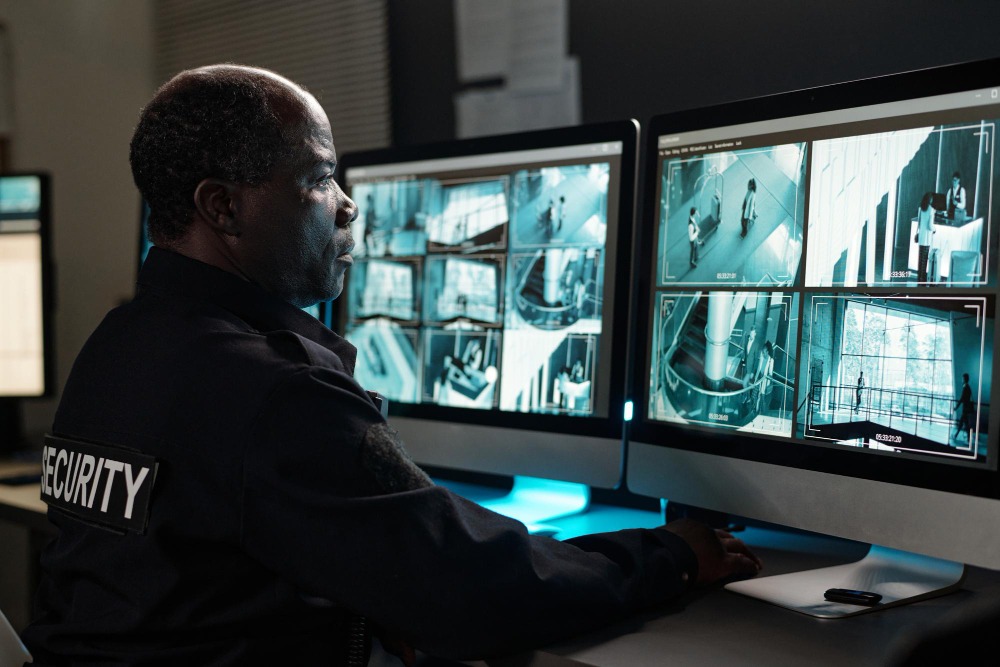
The level of training, experience and qualifications a security guard holds significantly influences their cost. Guards with advanced firearm training or specialised skills, such as cash-in-transit protocols, usually command higher wages due to the expertise required. Experience in handling South Africa’s unique crime environment adds value, as guards familiar with local risks tend to be more effective and justify increased rates. Compliance with the Private Security Industry Regulatory Authority (PSiRA) is mandatory, and companies that invest in ongoing training to maintain this registration often include these costs in their pricing. Additional certifications in first aid, fire safety and conflict resolution also enhance a guard’s effectiveness and affect rates.
Guards trained in electronic security systems or alarm responses carry added qualifications that reflect on their cost. Security firms offering continuous professional development typically provide guards with higher reliability and capability, which impacts pricing. Those with VIP or executive protection experience are priced at a premium, reflecting the specialised nature of such assignments. Quality training reduces liability risks for clients, a factor security companies consider when setting rates. Moreover, recruitment standards and thorough background checks influence guard quality and costs. Lastly, specialised sectors like retail or industrial security require tailored training, resulting in different pricing tiers to match the specific demands of each environment.
5. Supply and Demand Dynamics
The cost of security guards is strongly influenced by supply and demand factors. During periods of high crime or social unrest, demand for security services surges, often leading to price increases as available guards become scarce. Large public events or festivals likewise create temporary spikes in security needs, which can push short-term rates higher. Economic factors such as inflation and adjustments to minimum wage also directly impact guard wages, contributing to overall cost changes. In regions where security companies compete vigorously, pricing tends to be more moderated, benefiting clients. Additionally, hiring guards on short notice or for emergency deployments typically incurs premium charges due to the urgent nature of the request.
The size of a security company’s guard pool plays a role too: firms with a large roster of qualified personnel can offer more competitive rates and better meet fluctuating demands. However, supply shortages caused by training delays or high turnover rates often push costs up. Seasonal demand shifts, for example during holiday periods, also affect availability and pricing. Government regulations and labour law changes further influence industry-wide cost structures. Long-term contracts or bulk hiring frequently allow clients to negotiate discounted or fixed rates, helping manage expenses despite market fluctuations.
Frequently Asked Questions
1. How does the level of experience of a security guard influence their effectiveness on site?
A security guard with more experience is generally better equipped to assess risks, handle emergencies calmly, and communicate effectively with both the public and law enforcement. This experience can lead to a more secure environment, as they are adept at recognising potential issues before they escalate.
2. In what ways does the specific location or environment impact the duties of a security guard?
Different environments require different approaches: a busy retail store needs constant customer service and loss prevention, while a construction site demands vigilance against theft and safety hazards. The challenges and responsibilities can vary significantly, affecting how the guard operates day to day.
3. Why is the required level of training important for security guards in various sectors?
Training ensures guards are prepared for the unique situations of their role, such as crowd control, first aid, or handling hazardous materials. Higher levels of specialised training improve their ability to respond appropriately, making them more effective and reliable in their duties.
4. How does the length and timing of security shifts influence the guard’s performance and alertness?
Longer shifts or overnight duties can lead to fatigue, which may reduce vigilance and response times. On the other hand, well-structured shifts with adequate breaks help maintain high alertness and consistent performance throughout their posting.
5. What role does client-specific protocol play in shaping the responsibilities of a security guard?
Clients may have particular requirements for security, such as access control procedures, use of technology, or reporting formats. Guards must adapt to these protocols to meet expectations, ensuring the security provision aligns closely with the client’s needs and operational standards.
Get a Site-Specific Security Quote
Now you know what drives the cost. Get a written proposal that breaks every line item down for your site.