
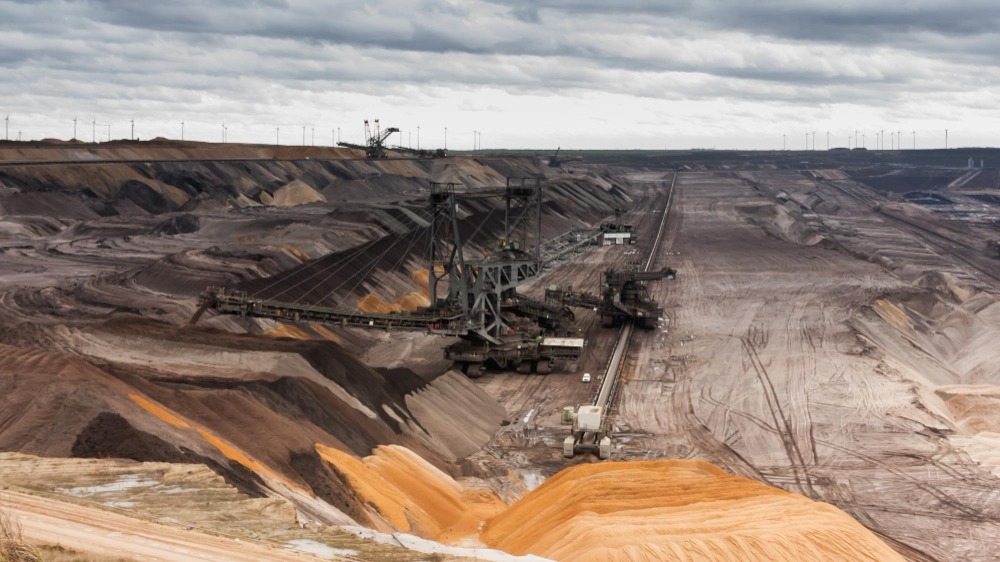
What Is Mining Security in South Africa?
Mining security is the specialist guarding, access control and asset-protection discipline that protects South African mine sites, their equipment, their commodities and the people who work on them. It combines manned guarding, movement and access management, perimeter integrity and loss-prevention controls built specifically for the scale and risk profile of a working mine, not a generic commercial site. On South African operations it also has to work within the Mine Health and Safety Act (MHSA) and the realities of remote, sprawling sites where a standard guarding model simply does not hold.
In practice, effective mining security in South Africa protects four things at once: high-value equipment and machinery, commodities and consumables (from coal and chrome to copper cable and diesel), the perimeter and access points across sites that can span hundreds of hectares, and the workforce moving through shift changes and contractor traffic. The sections below break down where mining security fails, what actually works on a mine site, and what proper mine guarding costs in 2026.
Why Mining Security Fails Long Before an Incident
Most mining security failures don’t start with criminals cutting through fences or organized theft syndicates executing elaborate heists. They start six months earlier when someone decided to save money by hiring the cheapest security provider, accepted generic guard deployment without understanding site-specific requirements, or assumed cameras and perimeter sensors would compensate for inadequate guard supervision.
Then equipment goes missing from a supposedly secure yard. Or diesel levels drop consistently despite no legitimate usage increase. Or contractors move freely through restricted zones because guards lack clear protocols. Or production gets disrupted when guards can’t manage shift change congestion at gates. Or an incident occurs and nobody can explain what the guard on duty actually witnessed because incident documentation consists of a one-sentence occurrence book entry written three days later.
The common factor in mining security failures isn’t sophisticated criminal methodology. It’s operational discipline breakdown on the security provider’s side long before incidents occur.
Mining security requires understanding production cycles, shift change logistics, contractor movement patterns, equipment positioning, materials storage, and access point management. It requires guards who recognize what’s normal versus unusual at a specific mine, not generic security personnel rotated through sites weekly with minimal briefing.
Most critically, mining security requires structured supervision ensuring guards actually execute their duties during night shifts in remote zones where nobody is watching. Without operational discipline, documented post orders, verified patrols, consistent incident reporting, regular supervisor oversight, you’re paying for uniformed presence, not security.
This article walks through what separates effective mining security from expensive failures. It’s written for operations managers, site supervisors, and decision-makers responsible for protecting mining operations, assets, and personnel. If you’re evaluating security providers for any South African mining site coal, platinum, gold, industrial minerals, or quarrying, understanding these operational distinctions protects you from providers who sound competent during sales presentations but deliver minimal operational substance.
Table of Contents
The Real Security Risks Facing Mining Sites in South Africa
Mining sites present security challenges distinct from commercial, industrial, or residential environments. Understanding these specific risk exposures determines whether security deployments address actual vulnerabilities or just provide generic perimeter monitoring.
High-value equipment and materials create theft targets requiring specific protection strategies. Heavy machinery, vehicles, diesel storage, copper components, explosives storage, and processed materials represent concentrated value in accessible locations. Criminals target these assets because fences and cameras alone don’t prevent determined theft, especially when guards lack clear protocols for monitoring high-risk zones.
Contractor and supplier access introduces transient populations moving through your site daily. Legitimate business operations require contractors for maintenance, specialized services, deliveries, and equipment repairs. Each contractor entry point represents a potential security gap if guards can’t effectively verify credentials, coordinate with site management, and maintain access protocols while facilitating necessary operations.
Perimeter sprawl and blind zones challenge security coverage at sites spanning hundreds or thousands of hectares. Static guard posts positioned at main gates don’t address security requirements across extensive perimeters with natural access routes, terrain features blocking visibility, or remote zones where patrol frequency determines security effectiveness. Large mining sites require zoned security approaches, not gate-focused deployments.
Night-shift vulnerability amplifies every security weakness. Mining operations running 24/7 face maximum exposure between midnight and 05h00 when criminal activity peaks and supervision visibility decreases. If your night-shift guards aren’t supervised, verified through patrol documentation, and held accountable for security protocols, you’re most vulnerable during the highest-risk period.
Community pressure and informal access routes create complications at mines near residential areas or informal settlements. Traditional access paths, community expectations around site access, and social dynamics between security personnel and surrounding populations require guards who understand local contexts and maintain security protocols without creating unnecessary tension.
Insider and collusion risk represents arguably the most difficult security challenge. Legitimate personnel with site knowledge, access credentials, and understanding of security procedures can facilitate theft or compromise security far more effectively than external criminals. This risk extends beyond direct employees to contractors, suppliers, and temporary workers who develop site familiarity over time.
These risks don’t exist in isolation, they interact and compound. A contractor with informal relationships with guards might facilitate unauthorized material removal during night shifts when supervision is minimal. Equipment positioned in remote zones becomes vulnerable if patrols aren’t verified. Access control procedures break down when guards lack clear protocols for handling exceptions.
Effective mining security addresses these specific exposure points through structured guard deployment, documented protocols, and verified execution rather than assuming generic perimeter security suffices for complex mining operations.
Why Generic Guarding Models Don’t Work on Mining Sites
Most commercial security companies apply identical guarding approaches across retail, office parks, estates, warehouses, and mining sites. This works fine for environments with simple access control and low operational complexity. It fails consistently at mining operations.
Static guards without patrol logic sit at designated posts hoping their presence deters problems. This works for small properties where one person can observe all activity. Mining sites require guards to actively patrol zones, verify equipment security, monitor remote areas, and detect problems rather than waiting for incidents to occur at their post.
Generic providers position guards at convenient locations without analyzing which zones need coverage, what patrol routes address actual vulnerabilities, or how frequently different areas require verification. This creates the illusion of security while leaving large portions of your site essentially unmonitored.
Poor shift handovers occur when companies don’t structure transition procedures. Guards arriving for night shifts receive minimal information about day-shift activities, outstanding issues, or specific concerns requiring attention. Outgoing guards leave without documenting what occurred during their shift or briefing replacements on site status.
This breakdown means security operates in discrete 12-hour blocks with no continuity. Problems developing across multiple shifts go unrecognized because nobody maintains comprehensive awareness of evolving situations. Incident patterns remain invisible because handovers don’t facilitate information transfer.
Guards unfamiliar with mining layouts can’t recognize what’s normal versus unusual because they lack site knowledge. Generic providers rotate different personnel through your site weekly, ensuring nobody develops familiarity with your operations, equipment positioning, legitimate access patterns, or specific vulnerabilities.
When everything looks unfamiliar, guards can’t identify that a vehicle is in the wrong zone, equipment has been moved, or people are accessing areas they shouldn’t. They maintain basic access control but miss operational security indicators requiring site-specific knowledge.
Lack of supervision in remote zones means guards working alone in isolated areas receive minimal oversight. Budget security companies assign one supervisor to 30+ sites, making regular verification of guard performance impossible. Night-shift supervision is particularly weak because supervisors rarely conduct spot checks between midnight and 05h00.
Without supervision, guards revert to minimum effort. Patrols get skipped. Incident documentation becomes minimal. Security protocols are followed only when someone might be watching. This creates exactly the gaps criminals exploit.
Over-reliance on cameras without human response leads companies to believe technology compensates for inadequate guard deployment. Cameras provide evidence after incidents but don’t prevent problems. Criminals operating in camera blind spots, during night hours when nobody monitors feeds, or when guards lack protocols for responding to suspicious activity can operate freely despite expensive surveillance infrastructure.
Mining security requires coordinated systems where guards actively patrol based on documented routes, supervision verifies performance, incident reporting captures developing patterns, and technology supplements rather than replaces human verification. Generic guarding approaches miss these operational requirements entirely.
What Effective Mining Security Guarding Actually Looks Like
Professional mining security operates as a structured system rather than headcount deployment. Understanding these operational components helps you evaluate whether security proposals address your actual requirements.
Zoned guarding divides your site into security zones based on risk levels, access requirements, and operational patterns. High-risk zones containing valuable equipment, materials storage, or sensitive operations receive frequent patrol coverage and potentially dedicated guard posts. Medium-risk zones get regular scheduled patrols. Lower-risk zones receive periodic verification ensuring security across your entire property.
This approach ensures security resources concentrate where exposure is highest while maintaining coverage across the full site. Generic providers deploy guards without zone analysis, resulting in either over-concentration at obvious locations or inadequate coverage of vulnerable areas.
Structured patrol routes document specific paths guards follow, checkpoints they verify, and frequency requirements based on zone risk assessments. Professional patrol routes aren’t random walks, they’re designed to verify perimeter integrity, check high-value asset locations, monitor access points, cover blind zones, and create unpredictable patterns preventing criminals from timing guard movements.
Patrol documentation should include checkpoint verification (physical tokens, mobile check-ins, or biometric confirmation) proving patrols occurred rather than trusting guards maintain discipline without verification. Routes should be reviewed quarterly as site layouts, operational patterns, or risk profiles change.
Shift-based supervision ensures someone actively manages guard performance rather than reacting to problems after they occur. Professional supervision includes documented supervisor site visits during each shift cycle, irregular spot checks during high-risk hours (especially night shifts), review of patrol documentation and incident reports, coordination with site management on operational changes affecting security, and direct client communication addressing concerns immediately rather than through escalation delays.
Supervision ratios matter significantly. One supervisor managing 8-12 sites can maintain effective oversight. One supervisor managing 30+ sites provides crisis management only, not proactive performance verification.
Incident logging and escalation requires structured processes ensuring all security events get documented, analyzed, and communicated appropriately. This includes immediate documentation in occurrence books when incidents occur, detailed written incident reports within 24 hours providing context and actions taken, supervisor review of all incident reports for pattern identification, client notification based on incident severity using clear escalation protocols, and monthly reporting summarizing incidents, trends, and recommendations.
Weak incident documentation means you discover problems through informal conversation days or weeks after events, have no records for insurance or legal purposes if needed, and can’t identify developing patterns requiring security adjustments.
Coordination with site management and safety officers integrates security operations with broader mining site functions. Security guards need communication channels to operations managers for contractor access coordination, safety officers for emergency response procedures, maintenance teams for equipment movement authorization, and site management for policy changes affecting security protocols.
Professional security companies treat client coordination as operational requirement, not occasional courtesy. They maintain direct communication lines, participate in site meetings when appropriate, adjust security protocols based on operational changes, and function as integrated site partners rather than isolated contractors.
This systematic approach creates security that adapts to your specific mining environment, addresses actual vulnerabilities, and maintains operational discipline through supervision and documentation. Anything less creates security gaps criminals and operational failures exploit.
Access Control and Movement Management on Mining Sites
Access control represents arguably the most operationally complex aspect of mining security. Poor execution creates either security gaps through excessive permissiveness or operational bottlenecks through excessive restriction. Professional access control balances security requirements with operational efficiency.
Contractor vetting and entry control requires clear protocols for credential verification before site access is granted. Guards need documented procedures for checking contractor authorization, verifying personnel against approved lists, logging entry and exit times, issuing temporary access credentials when required, and coordinating with operations managers when authorization is unclear.
This can’t be informal. Written protocols prevent guards from making inconsistent decisions that either block legitimate contractors or permit unauthorized access. Verification requirements should specify what documentation guards must check, who they contact for authorization questions, and how exceptions get handled without creating security gaps.
Vehicle movement and asset tracking on mining sites requires guards to monitor not just who enters but what vehicles transport and where equipment is positioned. This includes logging all vehicles entering and exiting with cargo descriptions, verifying authorization for equipment removal from site, documenting vehicle movements to restricted zones, and questioning unusual vehicle patterns that might indicate unauthorized material removal.
Large mining sites benefit from vehicle tracking integration allowing guards to verify equipment positioning against authorized locations. However, technology supports rather than replaces human verification, guards must understand what they’re monitoring and respond appropriately to anomalies.
Visitor authorization procedures distinguish between regular personnel, contractors, and one-time visitors requiring escort. Professional visitor management includes advance notification systems for expected visitors, sign-in procedures capturing identification and visit purpose, escort requirements for visitors accessing operational areas, time-limited access credentials preventing extended site access, and verification procedures ensuring visitors exit when business concludes.
Weak visitor controls create security gaps because visitors often receive minimal scrutiny compared to contractor verification, may access areas beyond legitimate business requirements, and sometimes facilitate insider theft by providing external coordination.
Shift change congestion risks emerge at large mining operations when hundreds of personnel enter or exit simultaneously. Access gates become bottlenecks where security procedures get rushed or abandoned to prevent operational delays. This creates windows where access control breaks down precisely when site exposure is highest.
Managing shift change congestion requires sufficient gate capacity for personnel volume, expedited procedures for verified regular personnel versus contractors requiring full verification, coordination with operations management on shift timing, and guard training on maintaining security protocols during high-pressure periods without creating unnecessary delays.
Professional mining security recognizes access control isn’t just “checking IDs at the gate.” It’s comprehensive movement management ensuring every person, vehicle, and material entering or exiting your site has documented authorization, legitimate business purpose, and appropriate supervision. This operational discipline prevents the majority of mining security failures before they occur.
The Cost of Mining Security: What Pricing Depends On
Mining security pricing varies dramatically based on operational requirements rather than simple guard counts. Understanding cost factors helps you evaluate whether quotes reflect appropriate coverage or dangerous under-resourcing.
Site size and layout fundamentally affects guard requirements. A compact 50-hectare operation with concentrated activities requires different coverage than sprawling 500+ hectare sites with dispersed operations. Larger sites need more guards for patrol coverage, multiple access point monitoring, and zone-based deployment ensuring no areas go unmonitored for extended periods.
Geography matters beyond just size. Sites with challenging terrain, natural barriers affecting patrol routes, or remote zones requiring extended response times need additional security resources compared to flat, accessible properties where guards can cover large areas efficiently.
Operating hours and night shifts create the largest cost variables. A mine operating single day shifts requires fundamentally different coverage than 24/7 operations. Night-shift guarding costs more due to shift premiums, higher supervision requirements, and the operational reality that maintaining security discipline during overnight hours demands more intensive management.
Sites operating around the clock need robust relief systems ensuring consistent coverage when regular guards are unavailable. This requires larger guard pools and more sophisticated scheduling than operations with predictable single-shift requirements.
Number of access points requiring monitoring directly impacts guard deployment. A site with one primary gate and minimal perimeter access needs fewer guards than operations with multiple vehicle gates, pedestrian entrances, contractor access points, and emergency exits all requiring security coverage.
Some access points need permanent guard presence while others require periodic verification through patrols. Professional security assessments identify which access points need what coverage levels rather than assuming all entry points require identical resources.
Risk classification of assets determines security intensity requirements. Standard mining operations need baseline perimeter security and access control. Sites storing high-value equipment, processing precious metals or minerals, maintaining explosives storage, or handling other high-risk materials require enhanced security protocols, more frequent patrols, and potentially dedicated guard posts for high-risk zones.
Understanding your specific asset risk profile helps providers recommend appropriate rather than generic security deployments.
Supervision and reporting requirements represent often-overlooked cost factors. Professional supervision, weekly site visits, night-shift spot checks, comprehensive incident documentation, monthly performance reporting, requires resources budget providers eliminate to offer lower pricing. You’re not saving money through efficiency; you’re accepting reduced accountability creating security gaps.
Reporting detail matters significantly for mining operations where incident patterns, contractor access logs, and equipment movement documentation provide operational intelligence beyond basic security. This requires structured documentation systems that take time and create costs budget providers avoid.
These variables make mining security pricing complex and site-specific. Companies quoting without comprehensive assessment are guessing at requirements rather than designing appropriate coverage. For deeper understanding of cost factors beyond mining-specific considerations, review the broader factors affecting security guard costs across different operational environments.
Why the Cheapest Mining Security Quote Is Usually the Most Expensive
Mining security failures create consequences far exceeding the cost difference between professional and budget security quotes. Understanding these exposure points explains why experienced mining operators don’t make security decisions based on lowest price.
Compliance exposure increases when security providers cut operational corners to maintain low pricing. Budget companies sometimes deploy guards with lapsed PSIRA registration, expired firearms licenses if armed, or incomplete documentation. When incidents occur and investigations reveal security provider compliance failures, your mining operation faces potential liability regardless of whether compliance was the provider’s responsibility.
Mining operations already navigate complex regulatory environments. Adding security provider compliance risk creates unnecessary exposure that professional providers eliminate through proper documentation and oversight.
Incident aftermath costs dwarf any security savings when serious incidents occur. Equipment theft, material losses, safety incidents involving security breaches, or operational disruptions from security failures each cost substantially more than the annual difference between budget and professional security.
Budget security increases incident probability through weak supervision, inadequate guard training, poor documentation, and minimal accountability. When incidents occur, and they will, you’re addressing consequences while simultaneously managing security provider relationship failures. This compounds operational disruption beyond just incident response.
Production downtime resulting from security incidents or security-created operational bottlenecks represents massive hidden costs. If poor access control procedures delay contractor access, slow shift changes, or require operations staff to compensate for guard inadequacies, you’re paying operational staff to fix security provider failures while mining production suffers.
Similarly, security incidents requiring production pauses for investigation, equipment replacement, or safety reviews create downtime costs that make any security savings irrelevant. One significant security incident can cost more than five years of professional security service price differences.
Insurance and liability issues emerge when insurers investigate claims and discover inadequate security contributed to losses. Insurers may dispute claims if investigation reveals security providers failed to maintain basic protocols, didn’t supervise guards appropriately, or deployed unqualified personnel. Even if claims are paid, future premiums increase based on risk assessment showing inadequate security.
Some mining insurance policies specify minimum security requirements. Budget providers meeting technical requirements on paper while failing to deliver operational substance create compliance gaps insurers exploit during claim disputes.
Professional mining operators understand that choosing the cheapest security guard option consistently costs more through incident response, operational disruption, insurance complications, and eventual contract replacement than the initial savings justified. Security isn’t an expense to minimize, it’s operational insurance protecting far larger mining investments.
What a Proper Mining Security Assessment Should Include
Before any professional security company quotes mining security accurately, they should conduct comprehensive site assessment producing specific deliverables demonstrating they understand your operational environment.
Risk zoning map documents your site’s security geography identifying high-risk zones containing valuable equipment, materials, or sensitive operations requiring frequent monitoring; medium-risk zones needing regular scheduled patrols; lower-risk zones requiring periodic verification; and access points, perimeter vulnerabilities, and blind zones requiring specific attention.
This mapping exercise produces visual documentation showing where security resources need concentration rather than generic perimeter approaches. Professional assessments identify risks you may not have considered based on experience with similar mining operations.
Guard post placement recommendations specify where guards should be permanently positioned, with justification based on access control requirements, high-risk zone monitoring, operational coordination needs, and response capability for different site zones.
Guard posts shouldn’t be positioned based on convenience, they should address actual security and operational requirements. Assessments should explain why specific locations are recommended and what security functions each post serves.
Patrol logic documentation maps specific patrol routes covering your property, checkpoint verification requirements proving patrols occurred, frequency specifications based on zone risk assessments, and timing considerations preventing predictable patterns criminals can exploit.
Patrol routes should integrate with guard post coverage creating comprehensive site security rather than leaving gaps between static positions and patrol zones. Routes should be practical for guards to execute consistently, not theoretical paths that look good on assessment documents but prove unworkable operationally.
Shift coverage plan addresses how security operates across your operational hours, including day and night shift guard deployment, shift handover procedures ensuring continuity, relief guard systems for absences and leave, and coordination with your production schedule and shift changes.
Coverage plans should account for shift change congestion at access points, night-shift supervision protocols, and how security adapts when your operational patterns change seasonally or for special projects.
Reporting and escalation framework documents what security reporting you’ll receive, including daily occurrence book summaries documenting routine activities, incident reports within 24 hours of security events, monthly performance summaries with statistics and trend analysis, and escalation protocols specifying when supervisors and clients get notified of different incident types.
This creates accountability and ensures you understand what’s happening on your property rather than discovering incidents informally days after they occur.
Integration notes with existing systems address how security coordinates with your access control systems, camera surveillance infrastructure, alarm systems, communications equipment, and operational management platforms.
Professional security companies design deployments integrating with rather than duplicating or conflicting with existing security infrastructure. Integration notes should specify what systems guards will use, how information flows between security and operations, and what technical requirements exist for effective coordination.
These deliverables represent professional assessment outcomes proving security providers actually evaluated your site, understand your requirements, and designed specific solutions. If companies quote mining security without producing assessment documentation, they’re applying generic templates hoping site-specific challenges won’t create obvious failures until after contract signature.
Secure the Operation, Not Just the Perimeter
Mining security that actually protects sites, assets, and personnel requires operational discipline extending far beyond perimeter fences and guard presence. It requires structured systems where guards execute documented protocols, supervisors verify performance, incident reporting captures developing issues, and continuous coordination with site management ensures security adapts to operational requirements.
Generic guarding approaches fail at mining operations because they don’t address the operational complexity, access control challenges, zone-based risk management, and supervision requirements distinguishing mining security from simpler commercial environments.
Professional mining security companies demonstrate competence through comprehensive site assessments producing specific operational recommendations, clear answers to questions about supervision, patrol verification, incident reporting, and access control protocols, and integration approaches addressing your existing systems and operational patterns.
Budget providers struggle with these operational questions because their business model relies on minimizing everything except basic guard presence. They hope price sensitivity prevents detailed operational scrutiny until contracts are signed and performance failures become apparent.
Your decision shouldn’t be based on which mining security quote offers the lowest price or sounds most comprehensive during sales presentations. It should be based on which provider demonstrates operational capability through documented assessment findings and specific answers to operational questions.
If you’re securing any South African mining operation, coal, platinum, gold, industrial minerals, or quarrying, contact Bolwa Security Services for a comprehensive mining security assessment that evaluates your operational requirements before proposing solutions.
We’ll conduct detailed site evaluation, document risk zones and security requirements, provide specific guard deployment recommendations with patrol logic, deliver comprehensive assessment findings before quoting, and answer every operational question in this article specifically for your mining site.
Call 086 1112 231 or complete the online contact form to schedule your mining security assessment. We operate across Gauteng, Mpumalanga, and KwaZulu-Natal providing professional security for coal mining, industrial operations, and quarrying sites where operational discipline actually protects sites, assets, and personnel rather than just occupying space.
Professional mining security works when it’s designed correctly, deployed appropriately, supervised consistently, and integrated with your operational requirements. Everything else is hope disguised as security.
Mining Security FAQs
Common questions from mine managers, operations managers and procurement teams.
Mining Security Coverage Across South Africa
Explore our specialist mining and industrial security pages by region and mine type.
Related security services