
TL;DR Warehouses in South Africa often make critical security mistakes, including inadequate risk assessments, neglecting employee training, and insufficient maintenance of equipment. Other common errors are poor security measures, ignoring cybersecurity, lack of emergency preparedness, and neglecting inventory security. To avoid these pitfalls, it is essential to conduct regular assessments, implement thorough training, maintain equipment, invest in security systems, ensure cybersecurity, develop emergency plans, and secure inventory. Partnering with Bolwa Security can enhance safety and protect assets effectively.
Warehouse security is often compromised by simple mistakes that can have big consequences. One of the biggest mistakes is not doing risk assessments that ignore the hazards specific to your warehouse. Not training employees means they’ll do dangerous practices and be more vulnerable to theft. Poor equipment maintenance can cause breakdowns and safety and inventory loss. Not having enough security measures like cameras is another common mistake. Many warehouses don’t prioritize cybersecurity and leave systems open to threats. Not being prepared for emergencies and not securing inventory means theft and damage will happen. Fix these for a safer warehouse.
Table of Contents
1. Inadequate Risk Assessments in Warehouses

Credits: haspod.com
Most warehouses overlook customised risk assessments, failing to identify the unique risks in their own environment. You need to do regular checks on machinery, materials and processes. Get your employees involved and they will tell you the hazards they face every day. Use checklists to ensure all areas of the warehouse are covered. Document your findings and create an action plan to address the risks. Review and update these assessments at least annually or whenever there are changes to the operation. Don’t forget to consider external factors like weather and local crime rates as they can impact on security. Feed back from safety audits should be used to refine future assessments. Make sure all staff are aware of the risks and the mitigation measures. Get in touch with security experts like Bolwa Security to make your risk assessments more effective.
| Mistake | Solution |
|---|---|
| Many warehouses fail to conduct thorough risk assessments, overlooking unique hazards such as heavy machinery, hazardous materials, and employee safety. | Conduct regular and comprehensive risk assessments to identify potential dangers. Bolwa Security can provide expert assessments to ensure that every corner of your warehouse is evaluated for security vulnerabilities. |
| Risk assessments often do not cover specific operational procedures and potential environmental risks, such as local crime rates. | tailor risk assessments to the unique environment of the warehouse, including machinery, materials, and external factors. |
2. Neglecting Employee Training for Safety
Credits: knowledgecity.com
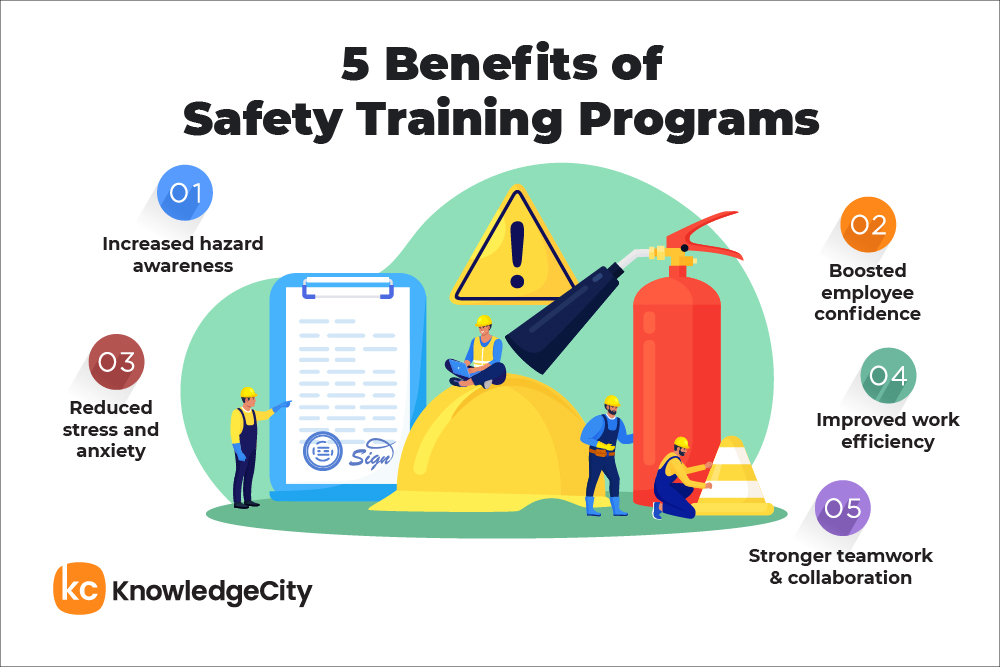
Many warehouses forget to train employees on safety protocols. New employees should be trained on safety procedures including emergency procedures and equipment handling. Refresher courses are essential to keep these practises fresh in everyone’s mind. Training should include modules on personal protective equipment (PPE) and emergency response drills so employees are prepared for any situation.
Creating a culture of safety is crucial; employees should feel encouraged to report unsafe practises or conditions without fear of repercussions. Practical demonstrations can enhance understanding and retention of safety protocols, while scenario-based training helps prepare employees for real-life emergencies. Evaluating training effectiveness through assessments and feedback from participants can identify areas for improvement. Additionally, documenting all training sessions is necessary to maintain compliance with safety regulations.
Encouraging employees to take ownership of their safety training fosters a proactive attitude towards workplace safety. Companies like Bolwa Security offer tailored training sessions that can meet the specific needs of your warehouse, helping to ensure that all staff are not only compliant but also confident in their ability to maintain a safe work environment.
- Initial training for new employees should cover safety protocols and emergency procedures thoroughly.
- Regular refresher courses can help keep safety practices fresh in employees’ minds.
- Training should include specific modules on equipment handling, personal protective equipment (PPE), and emergency response drills.
- Create a culture of safety by encouraging employees to report unsafe practices or conditions without fear of repercussions.
- Use practical demonstrations to enhance understanding and retention of safety protocols.
- Incorporate scenario-based training to prepare employees for real-life emergencies.
- Evaluate training effectiveness through assessments and feedback from participants.
- Document all training sessions to maintain compliance with safety regulations.
3. Poor Equipment Maintenance Practices

Credits: ezo.io
Not maintaining your warehouse equipment properly can lead to serious safety risks and downtime. To avoid this mistake, you need to create a maintenance schedule that includes regular inspections and servicing of all machinery. Assigning specific equipment maintenance to designated employees or teams makes it accountable. Keeping maintenance logs helps track repairs and inspections so nothing gets missed.
Identifying critical equipment that needs more frequent checks is key as these machines are used daily. Preventative maintenance can reduce the likelihood of equipment failure. Training employees to do basic maintenance checks and report any anomalies can also improve overall safety.
Consider investing in technology that monitors equipment performance and tells you when maintenance is needed. Engaging with maintenance specialists for full inspections and repairs is another proactive measure. Reviewing and updating maintenance practices regularly ensures your equipment is always in top condition. Bolwa Security can help you create maintenance protocols that put safety first, protecting your people and assets.
4. Inadequate Security Measures
Many warehouses don’t assess their current security measures properly and therefore have gaps that can be exploited. No surveillance for example can create opportunities for theft or vandalism. Installing CCTV cameras in strategic areas of the warehouse is a simple and effective way to deter such activities, as the presence of cameras alone can deter potential offenders.
Access control systems are also vital to restrict entry to authorized personnel only, to protect sensitive areas of the warehouse. Having security personnel to monitor activities adds an extra layer of security, to respond immediately in case of any incident. Testing alarm systems regularly is essential to ensure they are working properly, a non functioning alarm system can be a big vulnerability during an emergency.
Having clear protocols for responding to security breaches or suspicious activities can streamline communication and actions in critical situations. Effective lighting around the perimeter and inside the warehouse at night makes it harder for intruders to operate undetected.
Regular security audits can evaluate the effectiveness of your current measures, engaging employees in security awareness programs can create a culture of vigilance. By encouraging staff to report suspicious behaviour, warehouses can use their employees as an extra layer of security. Partner with experts like Bolwa Security to design a security plan tailored to your warehouse needs.
5. Ignoring Cybersecurity Threats
In today’s digital world many warehouses are overlooking the most critical aspect of cybersecurity and leaving their systems open to attack. Do a full inventory of all your digital assets so you can identify where you are vulnerable to cyber threats. Firewalls and antivirus software is your first line of defence against external attacks. Software and system updates are crucial to patch known vulnerabilities so your digital environment is secure.
Employee training is just as important; staff should know how to spot phishing and other cyber threats they may encounter. Strict password policies and multi-factor authentication can strengthen security. Regular cybersecurity audits are recommended to find weaknesses in your digital infrastructure and backing up critical data frequently can prevent loss from breaches or ransomware attacks.
Finally create an incident response plan. This should detail what to do in the event of a cyber breach so you can respond quickly and effectively. And make sure you comply with local data protection regulations to protect customer and employee data. If you need help Bolwa Security can do a full cybersecurity assessment to secure your warehouse’s digital environment.
6. No Emergency Preparedness Plans
A emergency preparedness plan is essential for any warehouse but many facilities are overlooking this. You need to create a full plan that covers all scenarios; fires, thefts and natural disasters. All staff should be aware of the emergency protocols and their role in a crisis so they know what to do when it matters most. Regular drills should be done to practice evacuation and other emergency procedures so staff can get familiar with the actions in a stress free environment.
Emergency contact numbers and evacuation routes should be displayed throughout the warehouse so everyone knows where to go and who to call in an emergency. And review and update the emergency plan regularly to reflect any changes in operations or regulations. Working with local emergency services can help you prepare as they can provide valuable insights and training during drills.Having a communication plan in place is key to keeping staff informed during emergencies. First aid training is also important so staff can respond to injuries before help arrives. Documenting all drills and training is for compliance but also for continuous improvement. If you need help in developing and implementing an emergency preparedness plan for your warehouse Bolwa Security can assist.
7. Neglecting Inventory Security Solutions
Neglecting inventory security can leave your warehouse open to theft and loss, and impact your bottom line. To combat this you need to implement strict access controls in your inventory areas so only authorized personnel can enter. This stops unauthorised access which is a common problem in many facilities. Using inventory management software can also help track stock levels so you can detect discrepancies that may indicate theft or mismanagement. For high value items consider physical security measures like robust locks, cages or safes as an extra layer of protection.
Regular inventory audits are essential to catch theft or loss quickly. These audits not only reveal discrepancies but also create a culture of accountability among staff around inventory management. Train your staff on best practices for handling inventory and how to report suspicious activity can reduce risks. Using surveillance cameras in inventory areas serves two purposes, it’s a deterrent to would be thieves and evidence in case of an incident.
Incorporating technology like RFID tags can streamline inventory tracking, so you get real time updates on stock movements and prevent loss. Also review and adjust your security measures based on audit and report findings so your inventory security evolves with the changing circumstances. For solutions tailored to your specific needs Bolwa Security can help you secure your inventory and protect your assets.
Frequently Asked Questions
What are the main security threats to a warehouse?
Common threats to warehouse security include theft, vandalism, and unauthorised access. Employees may also accidentally cause security issues by leaving doors unlocked or failing to report suspicious activities.
How can poor lighting affect warehouse security?
Poor lighting can create blind spots where intruders can hide. It makes it harder for security personnel to monitor the premises and increases the risk of accidents or theft.
Why is employee training important for warehouse security?
Employee training helps staff recognise security risks and follow proper protocols. Well-trained employees are more likely to notice and report unusual behaviour, contributing to a safer environment.
What role do access controls play in warehouse security?
Access controls, like key cards or security codes, limit who can enter certain areas. This helps prevent unauthorised access and ensures that only trusted employees can enter sensitive parts of the warehouse.
How can regular security audits improve warehouse safety?
Regular security audits help identify weaknesses in your security measures. By reviewing policies and procedures, you can address gaps and implement better practises to protect your warehouse.