
South African businesses face a troubling 8% rise in commercial crime, mainly fraud and theft. To curb this increase, companies must strengthen internal controls by carefully vetting employees before hiring and segregating duties to avoid conflicts of interest. Regular audits, along with robust procurement processes and restricted system access, are critical to spotting irregularities early on. On the physical front, partnering with expert security companies like Bolwa Security Services adds a valuable layer of protection through armed response teams, CCTV surveillance, alarm monitoring, and access control systems. Combining these efforts with ongoing staff training and risk assessments can effectively reduce vulnerabilities and better protect business assets.
TL;DR South African businesses face an 8% rise in commercial crime, mainly fraud and theft, often exploiting internal weaknesses. To tackle this, companies should strengthen internal controls such as employee vetting, segregation of duties, and regular audits. Leveraging physical security with services from specialists like Bolwa Security Services, including CCTV, alarm systems, access control, and armed response, adds vital layers of protection. Combining technology, ongoing risk assessments, staff training, cybersecurity measures, and collaboration with law enforcement creates a robust defence against crime, helping safeguard assets and maintain business integrity.
Table of Contents
Understanding the Increase in Commercial Crime in South Africa
Credits: statista.com
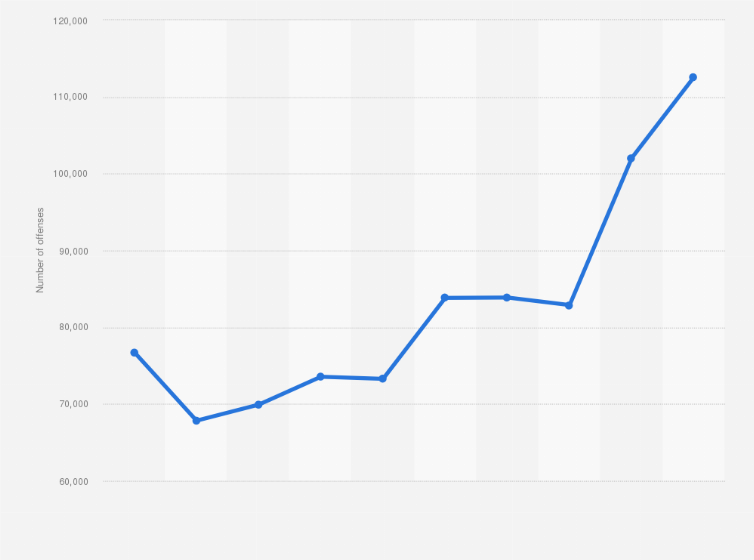
Commercial crime in South Africa has seen a notable rise, with recent figures indicating an 8-10% increase and some data pointing to nearly a 50% surge since 2013/2014. White-collar crimes such as fraud, theft, and various scams remain the most prevalent threats to businesses. Often, weaknesses in procurement and payment systems create openings for criminals, especially when processes rely heavily on manual invoice handling or payment authorisations.
These manual procedures increase the risk of fraudulent activities going undetected. Insiders familiar with company operations can take advantage of gaps in internal controls, which are frequently insufficient or outdated. In addition, the absence of thorough employee vetting allows individuals with dishonest intentions to enter organisations, further elevating risks. Economic challenges, including high unemployment, also contribute indirectly by increasing the incentive for crime. Meanwhile, technological developments have enabled criminals to carry out more sophisticated offences remotely, making detection even harder. Understanding these interconnected factors is vital for businesses aiming to devise practical prevention and detection strategies tailored to the South African context.
Strengthening Internal Controls to Prevent Fraud
Credits: zengrc.com
To stop the rising tide of commercial crime, South African businesses need to focus on strengthening their internal controls. One key step is to implement clear segregation of duties so no one person controls all stages of a transaction.
For example, one person should input beneficiary details and another independently authorise payments. Mandatory verification procedures like telephonic confirmation of beneficiary banking details before payments are made helps to prevent payments to fraudulent accounts. Access to financial and operational systems should be strictly controlled based on user roles, with strong authentication methods and regular password changes to prevent unauthorised access.
Comprehensive procurement policies with multiple approval levels ensures purchases are properly scrutinised, closing the gaps that criminals exploit. A central audit and compliance team responsible for ongoing transaction monitoring and fraud detection can identify suspicious activity early.
Internal and external audits, combined with data analytics tools can pick up unusual patterns or irregularities before they escalate. Keeping detailed records of all financial transactions creates an audit trail for accountability and investigation when needed.
Finally, internal control policies must be reviewed and updated regularly to stay ahead of the fraudsters.
- Implement clear segregation of duties so no one person controls all aspects of a transaction
- Establish mandatory verification procedures including telephonic confirmation of beneficiary banking details before payments
- Enforce strict access controls on financial and operational systems based on user roles
- Require regular password changes and strong authentication methods to prevent unauthorised access
- Develop and maintain comprehensive procurement policies with multiple approval levels
- Create a central audit and compliance team responsible for ongoing transaction monitoring and fraud detection
- Conduct regular internal and external audits to identify discrepancies early
- Use data analytics tools where possible to detect unusual patterns or transactions
- Keep detailed records of all financial transactions for accountability and audit trails
- Review and update internal control policies regularly to stay ahead of the fraudsters
Employee Vetting and Background Screening Practices
Credits: asisonline.org
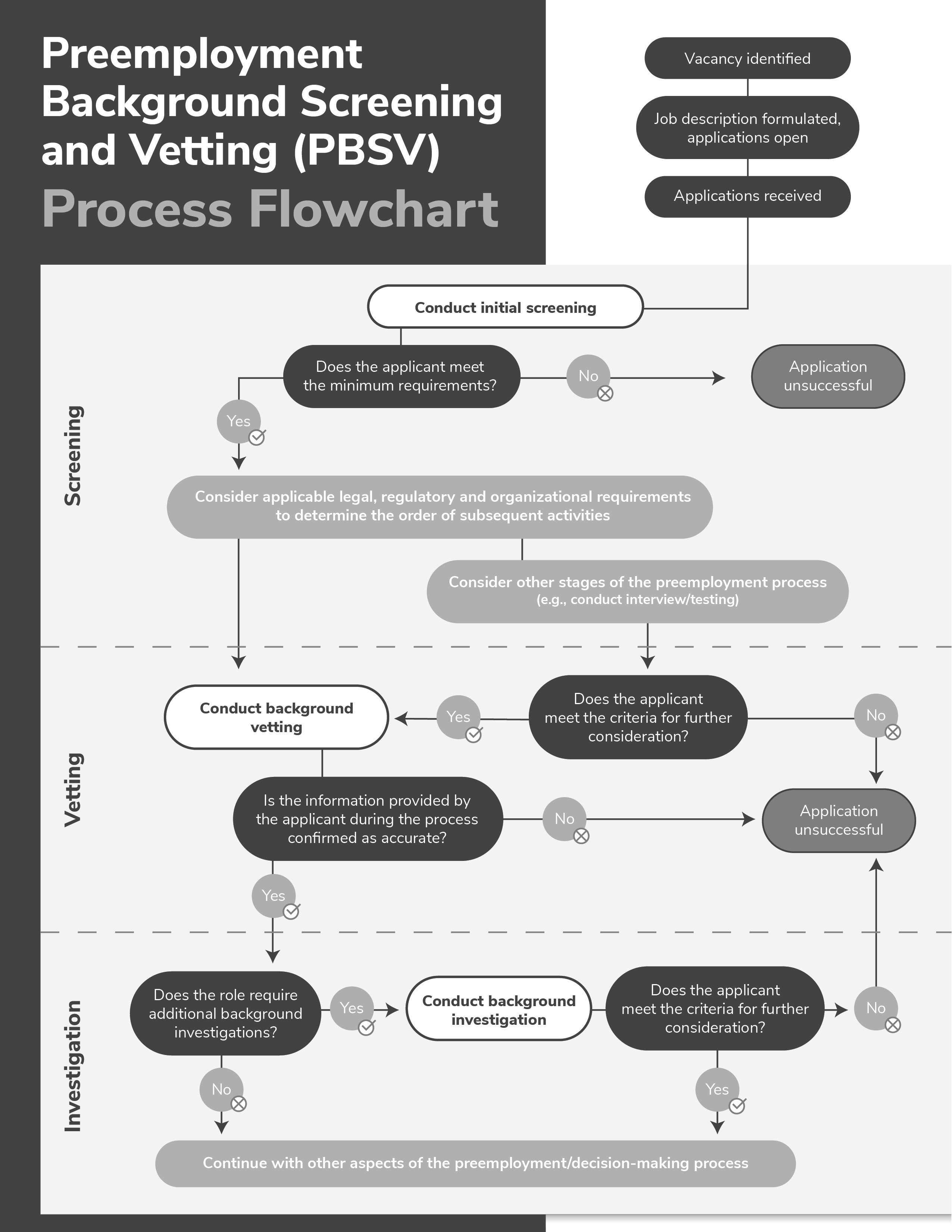
Employee vetting and background screening is a major barrier to commercial crime. Businesses must do criminal record checks to see if a candidate has a history of fraud or dishonesty, to identify who might be a risk. Verifying employment history is just as important to confirm a candidate’s experience and to see if there are gaps or inconsistencies that might indicate misconduct or misrepresentation. Credit checks give insight into financial stability, to flag those who might be under financial pressure or tempted to commit fraud.
Educational qualifications and professional certifications must be verified to ensure authenticity, especially for roles that require specific skills. Reference checks from previous employers give valuable insight into a candidate’s behaviour and integrity in the workplace. Identity verification should not be overlooked as it confirms personal details and prevents identity fraud, a common way for criminals to get into organisations. Beyond the initial screening, ongoing checks for existing employees, especially those in sensitive positions, will detect any emerging risks. Standardising vetting across the organisation ensures consistency and fairness and remaining compliant with data protection and labour laws protects both the business and the individual’s rights.
Train your hiring managers to spot red flags during recruitment and screening and these processes will be more effective. For example, spotting discrepancies in CVs or unusual behaviour during interviews will prevent unsuitable candidates from getting into the company. By incorporating these into your recruitment and employment policies South African businesses can reduce the risk of commercial crime from within.
Implementing Segregation of Duties and Verification Procedures
Credits: eftsure.com
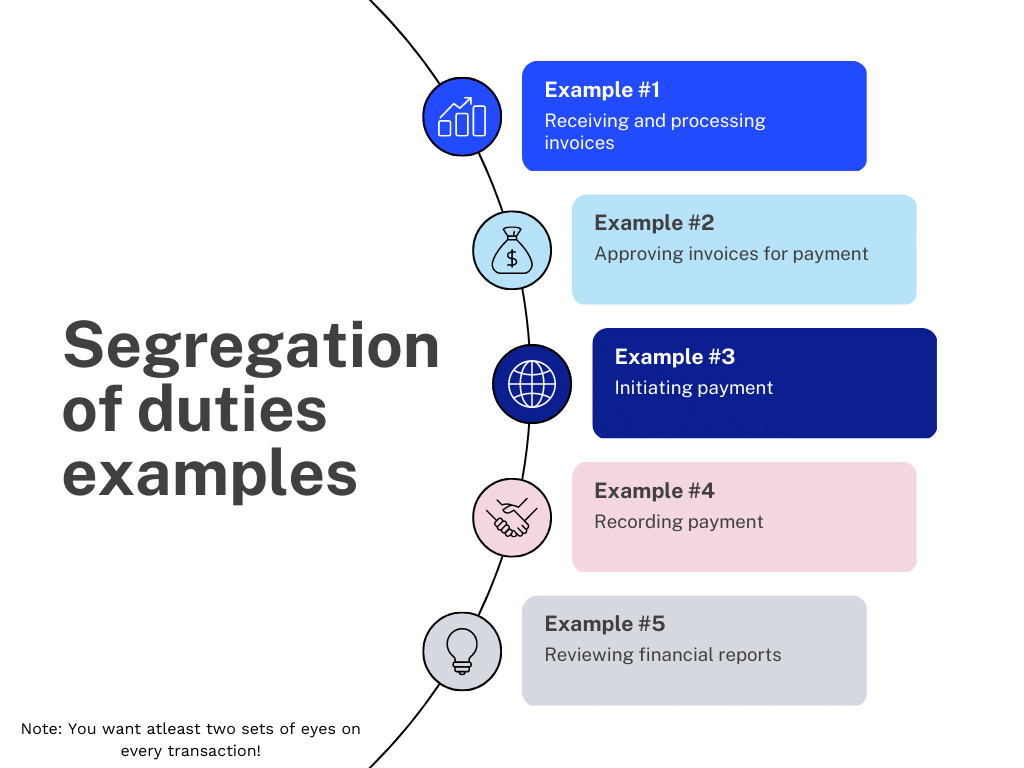
To reduce the risk of commercial crime South African businesses need to implement segregation of duties in their financial processes. This means different people need to initiate, authorise and process payments, no one person controls the entire payment cycle.
For example one person can enter the beneficiary details and another person independently authorise the payment. Using formal checklists and approval workflows will prevent shortcuts and enforce these controls consistently. High value transactions need dual controls, meaning two separate authorisations before funds are released. Regular reviews are needed to confirm that segregation is maintained and no one person has conflicting responsibilities that can enable fraud.
Verification procedures further strengthen these controls. Telephonic confirmation of payment details, especially for new or modified beneficiary accounts, ensures that funds are sent to legitimate recipients. Physical or electronic signatures from authorised personnel on payment authorisations create an additional layer of accountability. Cross-checking supplier information against internal records before processing payments helps detect irregularities early. Establishing confidential whistleblowing channels encourages staff to report suspicious activities without fear, supporting a culture of transparency.
Training employees on the importance of segregation of duties and verification steps is equally crucial. Staff should understand how these measures protect the company and be familiar with practical procedures to follow. When everyone knows their role and the checks in place, it becomes much harder for fraud to go unnoticed or unchecked, significantly lowering the risk of commercial crime.
Regular Audits and Compliance Monitoring
Credits: contractlogix.com
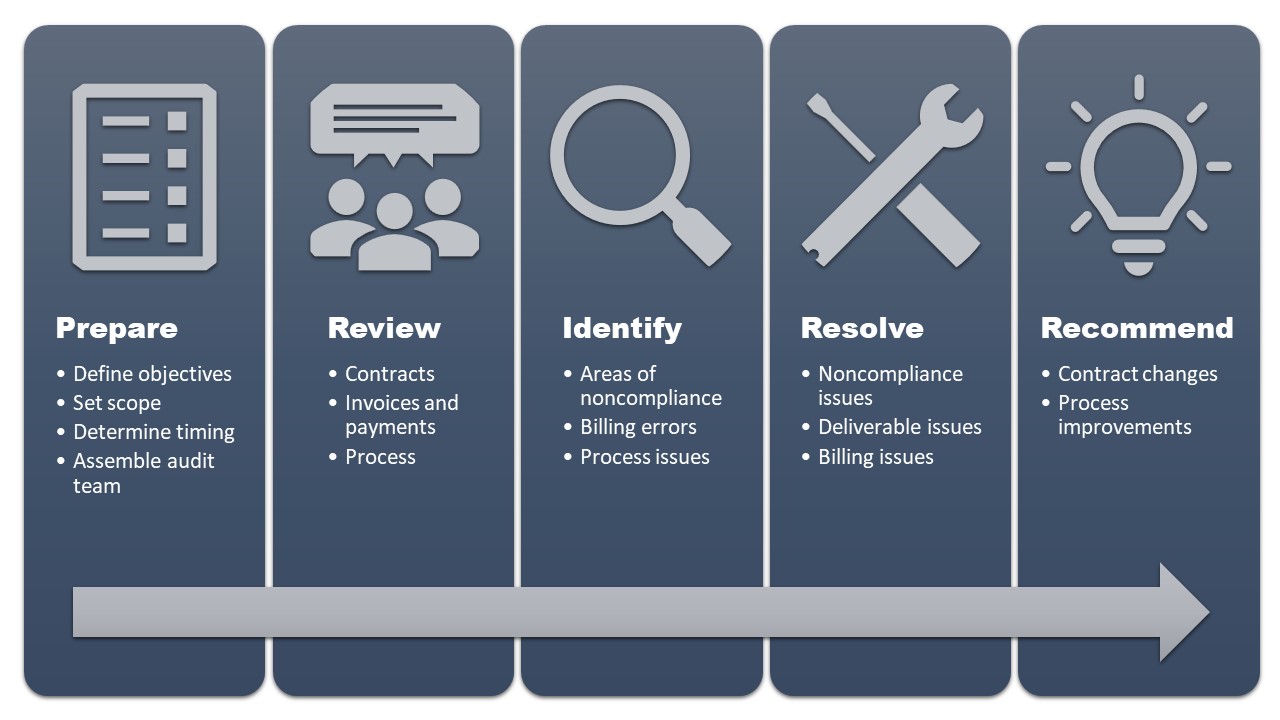
To effectively combat the 8% rise in commercial crime, South African businesses must prioritise regular audits and compliance monitoring. Conducting frequent internal audits, especially in high-risk areas like procurement and payment processes, helps to uncover irregularities early. Engaging external auditors periodically adds an independent perspective, ensuring financial controls are robust and unbiased. Audit findings should be carefully analysed to identify weaknesses in controls, with corrective actions implemented without delay.
Continuous compliance monitoring against internal policies and regulatory requirements is essential, and incorporating surprise audits can act as a deterrent by exposing hidden fraudulent activities. Automating compliance checks through specialised software tools increases efficiency and reduces human error. Maintaining thorough documentation of audit procedures, findings, and resolutions supports transparency and accountability. Equally important is investing in ongoing training for audit and compliance teams to keep them updated on emerging fraud trends and detection techniques. Reporting audit outcomes directly to senior management ensures oversight and reinforces a culture of ethical behaviour, where transparency is valued and wrongdoing is less likely to thrive.
Using Technology to Enhance Security Measures
South African businesses can significantly strengthen their defence against commercial crime by deploying integrated security management systems that combine CCTV, alarm, and access control technologies. High-definition CCTV cameras with remote monitoring capabilities allow continuous surveillance, enabling security teams to detect unusual activity in real time, even outside normal working hours. Access control systems that log entry and exit times and restrict movement to authorised personnel help prevent unauthorised access and provide valuable audit trails.
Alarm systems linked to rapid response teams and mobile alerts ensure immediate action when breaches occur, reducing potential losses. Where possible, biometric authentication adds an extra layer of security for sensitive areas or systems, making it much harder for criminals to gain entry. Integrating security software with financial systems enables the detection of anomalies in real time, while data analytics and artificial intelligence tools can identify patterns indicative of fraud or theft, alerting managers before incidents escalate. Regular updates of security software and firmware are essential to protect against evolving cyber threats. Secure communication tools, such as encrypted radios and intercoms for security personnel, ensure that information is shared swiftly and safely during incidents.
Additionally, training employees on the correct use of these technologies is crucial to avoid accidental breaches and to maximise the effectiveness of security measures. For example, staff should understand how to respond to alarms, use access control systems properly, and report suspicious behaviour promptly. By embracing these technological solutions alongside sound policies, South African businesses can create a robust, multi-layered security environment that deters criminals and minimises the risk of commercial crime.
Physical Security Solutions from Bolwa Security Services

Credits: fastercapital.com
Bolwa Security Services offers tailored physical security solutions designed to meet the specific needs of diverse business sectors such as retail, industrial, and office parks. Their approach begins with thorough risk assessments to identify vulnerabilities unique to each client, ensuring that security measures are both effective and appropriate. Armed response teams form a critical line of defence, trained to respond swiftly to alarms or incidents, reducing response times and deterring criminal activity. Complementing this, Bolwa’s guarding services deploy professional personnel who maintain a visible presence, discouraging potential offenders through constant monitoring and engagement.
Advanced alarm monitoring systems linked to central control rooms provide instant alerts, allowing for coordinated action when threats arise. High-definition CCTV cameras with remote access enable continuous surveillance, ensuring businesses can observe activity in real time and review footage when necessary. Access control is tightly managed with electronic gates, biometric systems, and turnstiles, restricting entry to authorised individuals only. Panic buttons and communication devices empower employees to signal emergencies promptly, while intercom systems facilitate visitor verification, reducing the risk of unauthorised access.
By emphasising professionalism and discretion, Bolwa Security Services prioritises preventive security over reactive measures, helping businesses stay a step ahead of criminals. Their comprehensive security solutions combine technology, trained personnel, and strategic planning to create a robust physical security environment that significantly reduces the risk of commercial crime.
Integrating CCTV, Alarm Systems and Access Controls

Credits: blog.koorsen.com
Combining CCTV surveillance with alarm systems allows businesses to detect security breaches in real time and respond swiftly. CCTV footage can be used to verify alarms before dispatching response teams, reducing false alarms and unnecessary costs. Access control systems should be carefully programmed to restrict entry based on employee roles and specific time schedules, ensuring only authorised personnel can access sensitive areas. Centralised control rooms play a vital role by monitoring all security technologies simultaneously, giving security teams a comprehensive overview and quicker decision-making ability. It is essential to regularly test and maintain all equipment to guarantee consistent reliability and effectiveness.
Automated alerts generated from CCTV analytics or access control logs can highlight suspicious behaviour promptly, enabling proactive intervention. Integrating visitor management systems with access controls helps track every individual on site, enhancing accountability. Security staff must be trained not only in operating these systems but also in interpreting CCTV feeds and understanding alarm triggers to act appropriately. Employing layered technology controls across physical entry points and internal sensitive zones creates multiple barriers against intrusion. Additionally, ensuring that all systems have backup power and robust cybersecurity protections is critical to prevent downtime or hacking attempts that could compromise security. For example, a business could set alarm triggers linked to CCTV motion detection and access logs, allowing immediate verification before alerting guards, which streamlines response and reduces errors.
The Role of Armed Response and Guarding Services
Armed response teams play a big role in protecting South African businesses by being on the scene as soon as an alarm is triggered or a security incident occurs. Their presence can scare off criminals from pursuing their intentions, reducing the chances of a break-in or robbery. Trained guards are physically present on the business premises, inside and outside, which deters potential offenders from targeting the property. They do regular patrols to identify any security weaknesses early, they are the first line of defence until the police or emergency services arrive. Armed personnel are trained to manage volatile situations calmly and professionally, ensuring the safety of employees and customers.
Beyond physical patrols, guards also monitor CCTV footage and access control logs to spot suspicious activity in real time. They enforce company security policies and control entry points, preventing unauthorised access that can lead to theft or fraud. The combination of armed response and guarding services reduces the risk of loss or damage during a crime. Good coordination between guarding teams and alarm monitoring centres ensures quick communication and action.
For example, Bolwa Security Services has guards who undergo thorough background checks and continuous training, so you can be sure of their reliability and professionalism. They are not only protecting your assets but also your staff and clients, creating a safer business environment in a world of commercial crime.
Educating Employees on Fraud Awareness and Security

Credits: acfe.com
Regular training is key to employees spotting common fraud schemes and threats. Clear guidelines on how to report suspicious activity confidentially will encourage staff to speak up without fear of retribution. It’s just as important to educate employees on social engineering tactics like phishing or pretexting and how to avoid being a victim of these tactics. Educating employees on internal controls and their role in fraud prevention will create a sense of shared responsibility.
Using real life case studies can bring the risks and consequences of commercial crime to life. Encouraging a culture of honesty within the workforce will deter fraud from within. Staff should also be told about the security technologies and processes in place so they understand how they protect the business and how their input is vital. Refresher courses should be done regularly to keep knowledge current and address emerging threats and trends. Having anonymous reporting channels will protect whistleblowers and promote openness.
Finally, measuring the effectiveness of training through assessments and feedback will allow you to improve future training and keep employees on their toes against commercial crime.
Conducting Ongoing Risk Assessments and Updates

Credits: baknowledgeshare.com
Regular risk assessments are key for South African businesses to combat the recent surge in commercial crime. These sessions will uncover new vulnerabilities in processes and systems that were not previously apparent. Whenever there is a significant change in the business, such as new software or key staff turnover, the risk profile must be reviewed and updated. Combining internal audits with external consultants will give you a rounded and unbiased view of the risks and no blind spots. Using recent crime trends and industry reports will allow you to refine your risk mitigation strategies with up to date information.
All findings must be documented and used to update company policies to keep them relevant and effective. Engage the finance, IT and security departments during the assessments to get a comprehensive view of the risks from all angles. Existing controls must be tested regularly to ensure they are working as intended; for example simulated fraud attempts or system penetration tests will reveal weaknesses before the criminals do. Having a clear protocol for reviewing and acting on new threats or incidents will allow you to respond quickly and limit the damage. Train staff to recognise and report risks and you’ll have a culture of vigilance and employees will become active participants in risk management.
Finally, integrate the risk assessment outcomes with your broader business continuity and crisis management plans so that risk mitigation aligns with overall business resilience and you’ll be able to recover quickly if an incident occurs.
Cybersecurity Measures Complementing Physical Security

Credits: infotech.com
To combat the 8% increase in commercial crime, South African businesses need to combine physical security with solid cybersecurity. Strong password policies are key, employees need to create complex passwords that change regularly to prevent unauthorized access. Multi-factor authentication should be mandatory for critical systems and financial platforms, an extra layer of defence beyond just passwords. Keep software and hardware up to date, patches close security gaps that criminals can exploit. Firewalls and intrusion detection systems are crucial, they monitor network traffic for suspicious activity and alert security teams to potential breaches.
Sensitive data must be encrypted both at rest and in transit, reduce the risk of interception or theft. Phishing awareness training for employees to recognize and avoid scams that steal credentials, which is often the gateway to bigger breaches. Access to financial and personal info should be limited to job roles, employees should only see what they need to do their job. Monitoring user activity logs will reveal unusual behavior or access patterns that may indicate internal fraud or external hacking.
Most importantly, businesses should have clear incident response and recovery plans in place to act fast when breaches happen, minimize damage. Coordinating cybersecurity with physical security teams will give a holistic approach; for example, integrating alarm systems with cyber alerts will give a fuller picture of threats. This will make it harder for criminals to exploit any single vulnerability.
Building Partnerships with Law Enforcement and Security Companies
Building relationships with local police and private security companies is key for South African businesses to combat the 8% rise in commercial crime. Having direct lines of communication with law enforcement means faster reporting and quicker assistance when incidents happen. Businesses should participate in community crime prevention initiatives where intelligence and resources are shared and the security network is strengthened.
Having the police do a security assessment provides tailored advice and identifies specific vulnerabilities in your business environment. Formal agreements or memorandums of understanding with specialist security companies means you have access to expert services like threat analysis and technology integration. Attending security forums or business crime prevention networks keeps you informed of emerging trends and countermeasures. Reporting all suspicious activity to the authorities promptly supports timely intervention and builds trust. Joint training exercises with staff, security personnel and police improves preparedness and coordination during real incidents.
Using security companies expertise in combining physical security with technology makes for a stronger defence. Staying up to date with legal requirements and government support programmes means you can use all the resources available to you. These partnerships also means rapid response and recovery after a criminal event, minimising losses and disruption. For example a retail business working with local police and a security company could get swift armed response and shared intelligence and deter repeat offences and protect assets better.
Maintaining Commercial Crime Insurance for Protection
Regularly reviewing commercial crime insurance policies is essential to ensure that coverage aligns with the current risks and asset values of the business. South African companies should understand exactly what types of crime are covered, including employee theft, fraud, and cybercrime, as these risks evolve over time. Timely payment of premiums is crucial to avoid any lapses that could leave the business exposed. Working with brokers or insurers who specialise in commercial crime insurance can provide tailored advice that fits the unique needs of the business. Keeping detailed records of security measures and incident reports helps to support any claims and demonstrates a proactive approach to risk management.
Insurance should be integrated into the overall risk and compliance strategy, serving as one layer within a broader defence system rather than the sole form of protection. It is important that key staff members are informed about policy details and the procedures to follow when making a claim. Some policies also offer coverage for legal expenses related to crime investigations, which can be valuable when responding to complex incidents. When renewing or choosing insurers, businesses should evaluate past claims experience and responsiveness to ensure reliable support when it matters most.
Frequently Asked Questions
1. What are the main causes behind the recent 8% rise in commercial crime in South Africa?
The increase in commercial crime is largely due to economic challenges, inadequate security measures, and the growing sophistication of criminals exploiting technology and vulnerable business processes.
2. How can South African businesses improve their internal controls to reduce commercial crime risks?
Businesses should implement stricter audit procedures, regularly update financial controls, train employees on fraud awareness, and establish clear protocols for reporting suspicious activity to foster a safer environment.
3. What role does employee education play in preventing commercial crime within companies?
Educating employees increases awareness about common fraud tactics and promotes vigilance, which helps in early detection and prevention of criminal activities before they escalate.
4. How effective are technology solutions in combating commercial crime, and which should businesses prioritise?
Technology such as surveillance systems, data encryption, and fraud detection software can significantly reduce risks if properly integrated; businesses should prioritise solutions tailored to their specific vulnerabilities and ensure regular system updates.
5. How can collaboration between businesses and law enforcement reduce commercial crime rates?
Close cooperation enables quicker response times, improved intelligence sharing, and coordinated efforts to investigate and prevent crime, making it harder for offenders to operate with impunity.